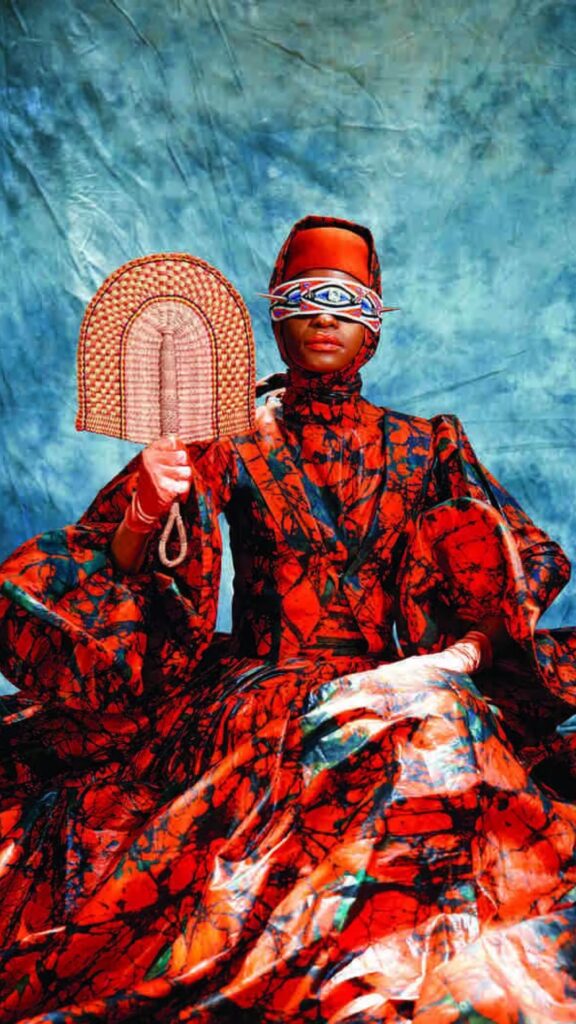
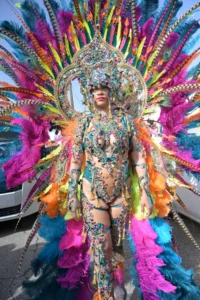
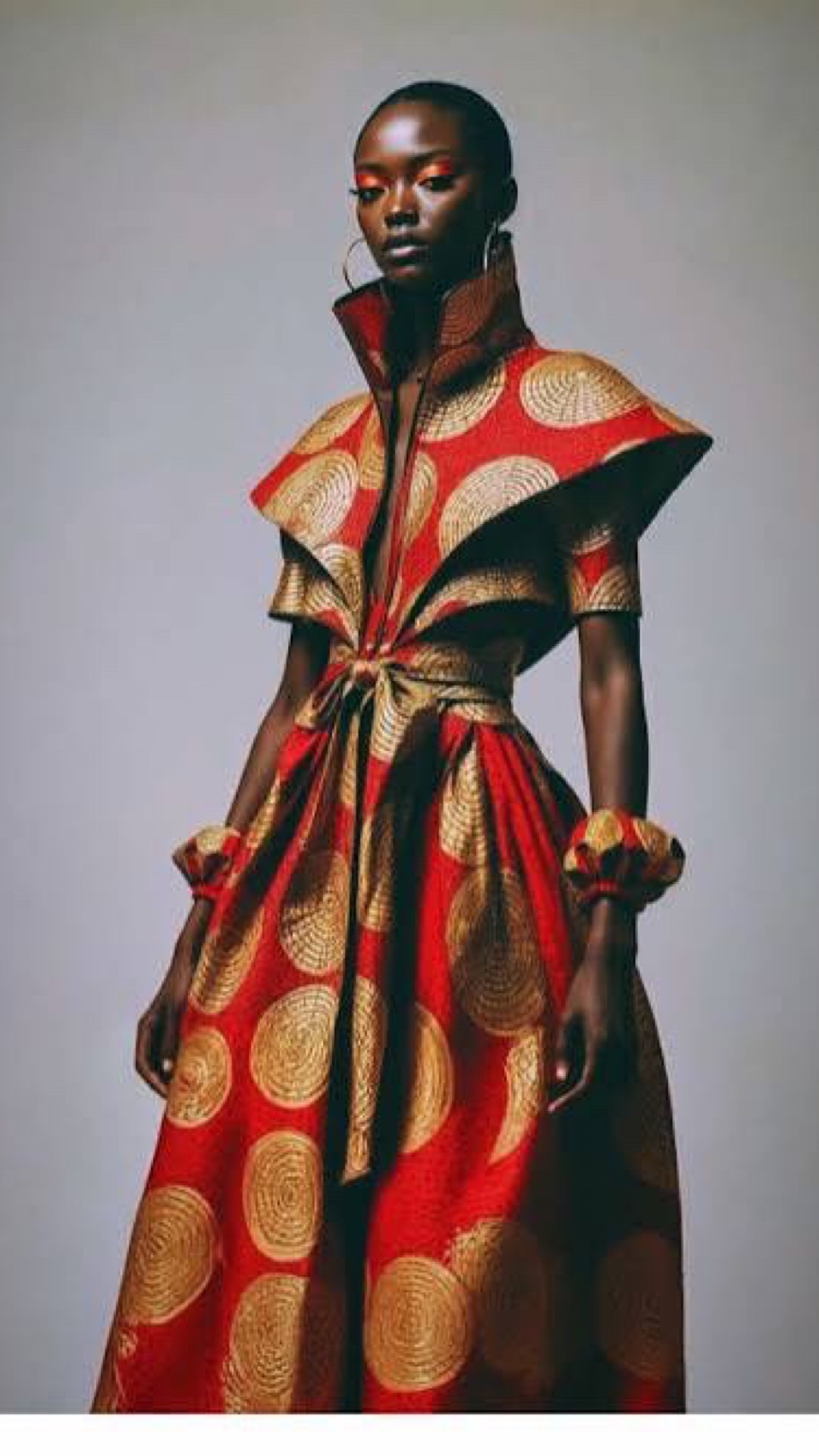
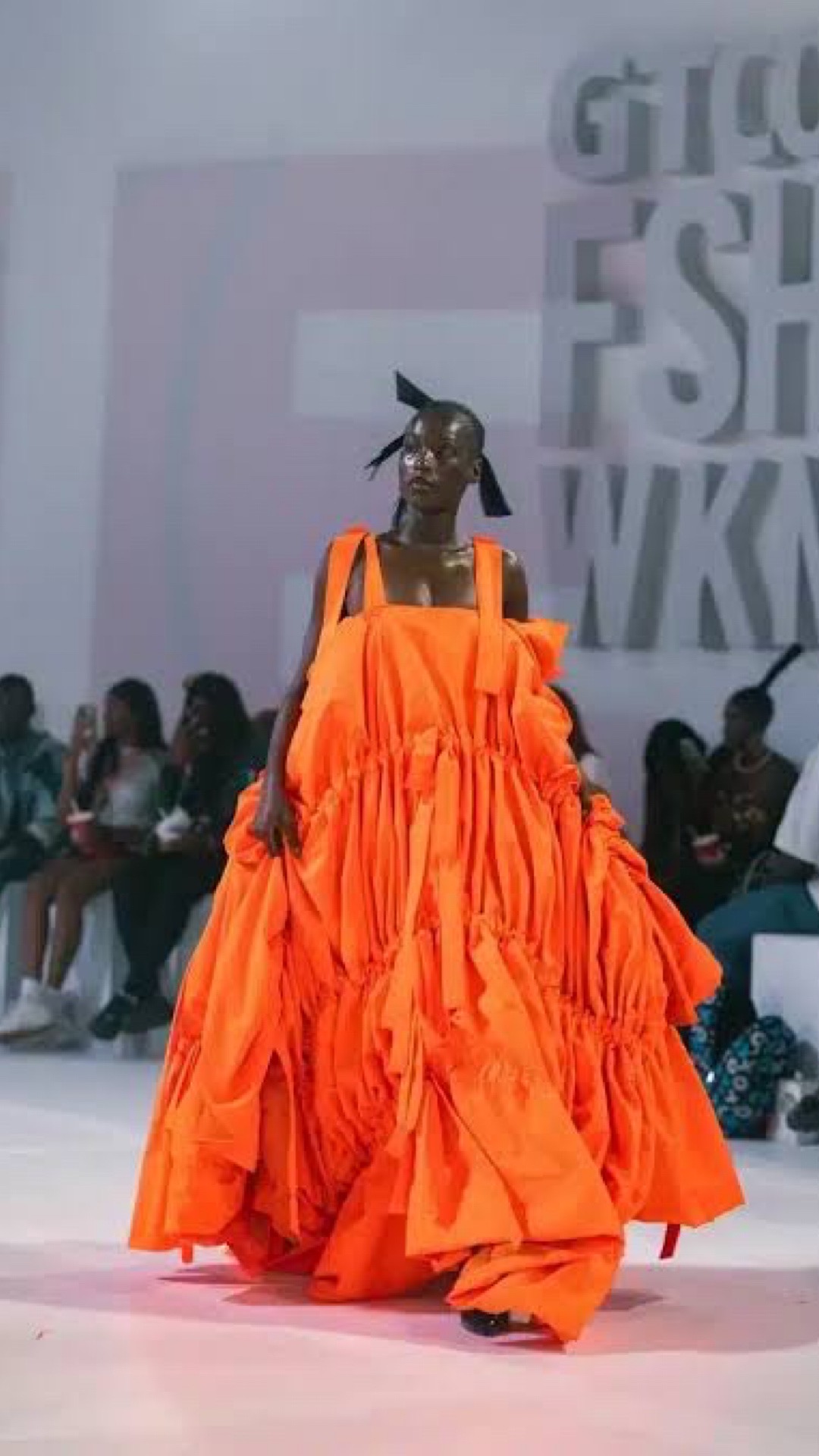
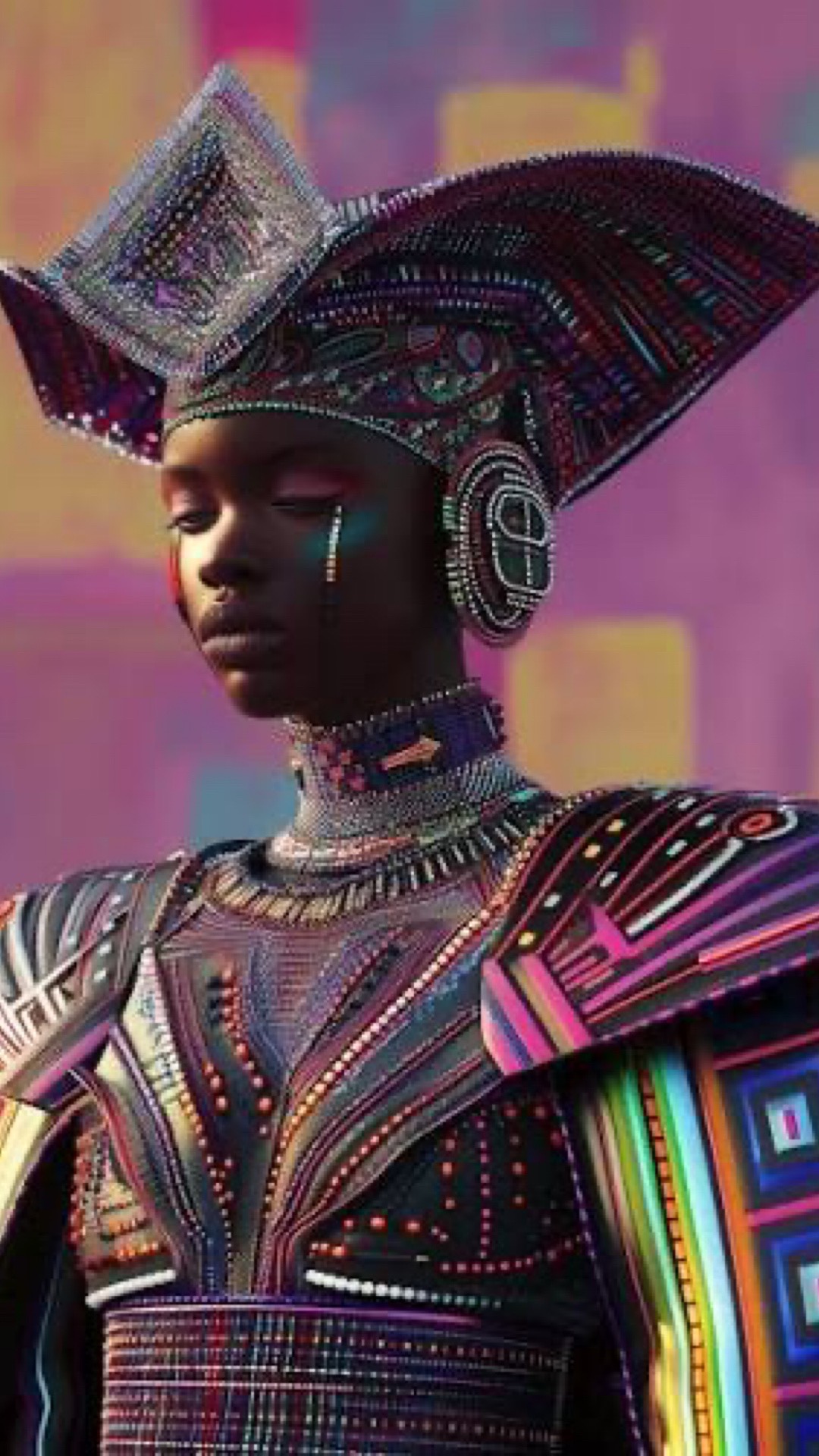
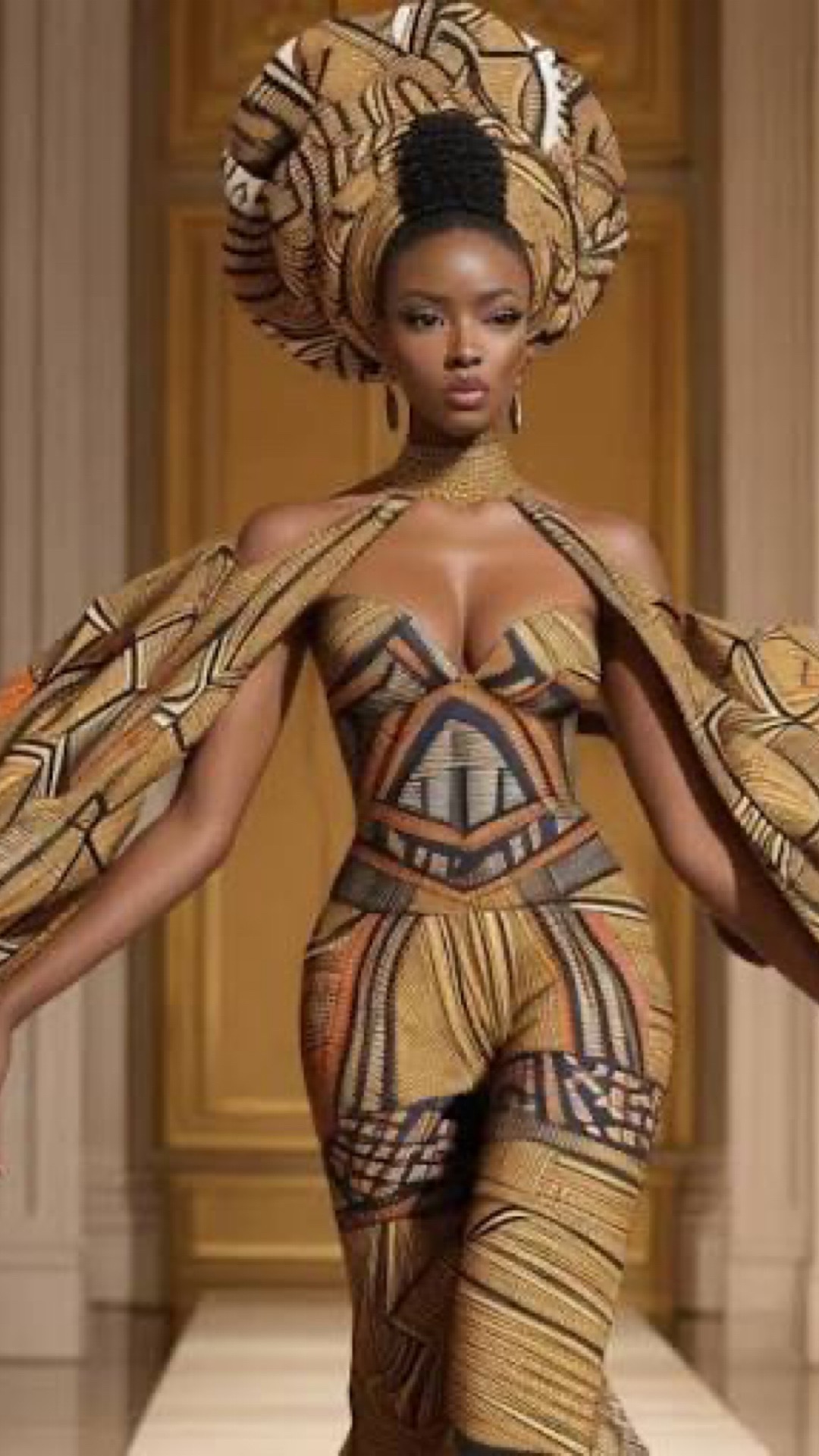
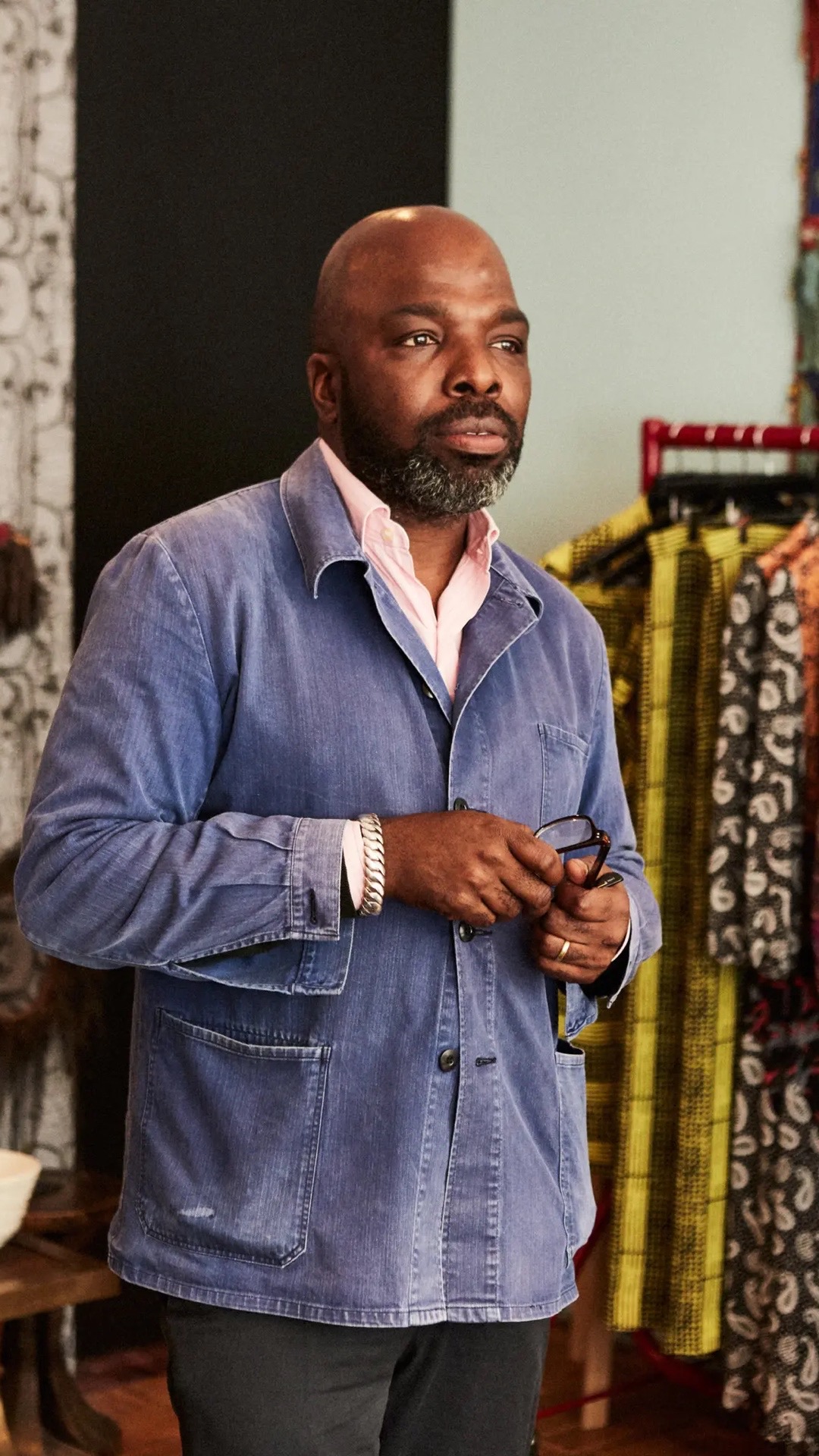
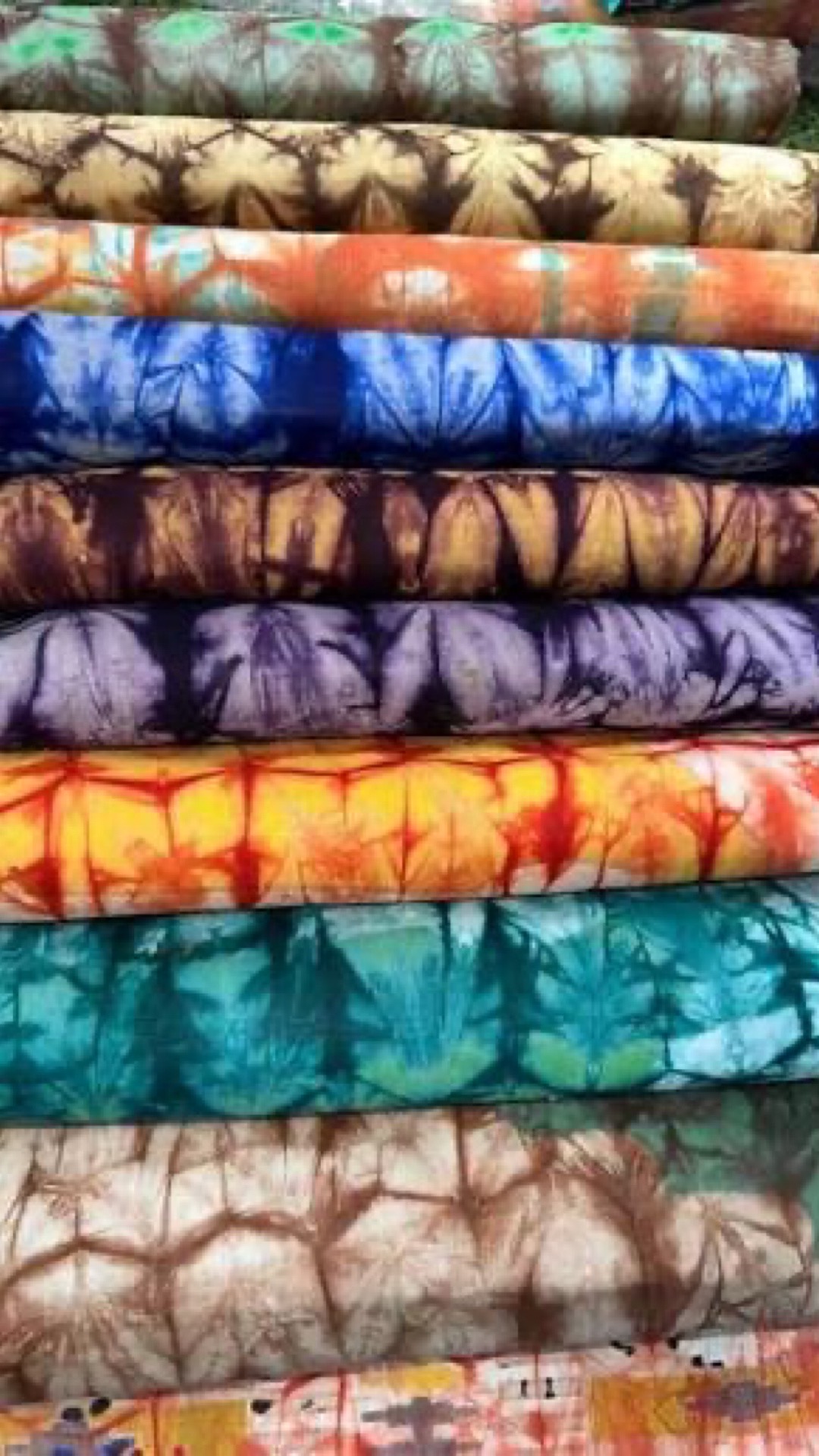
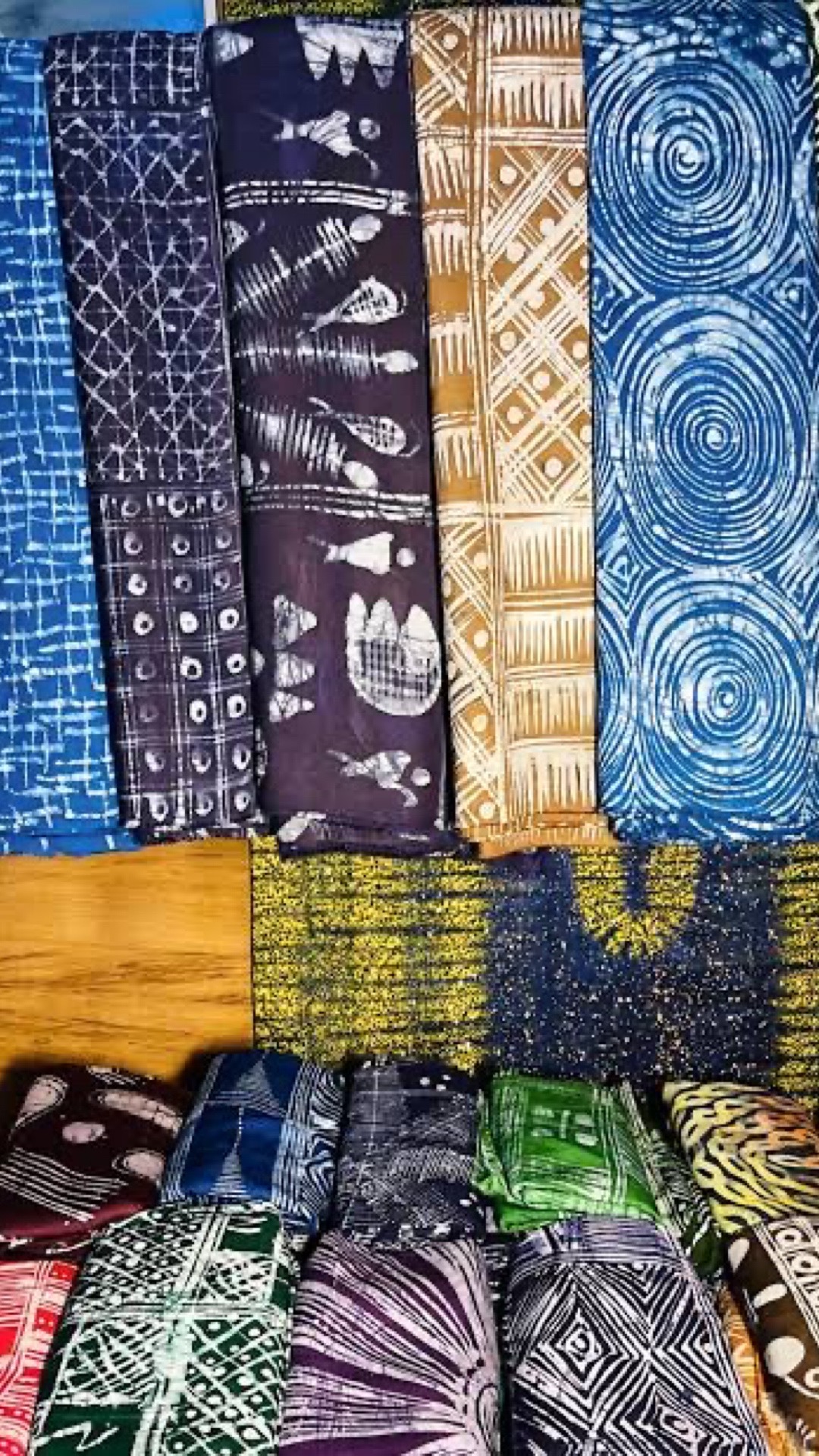
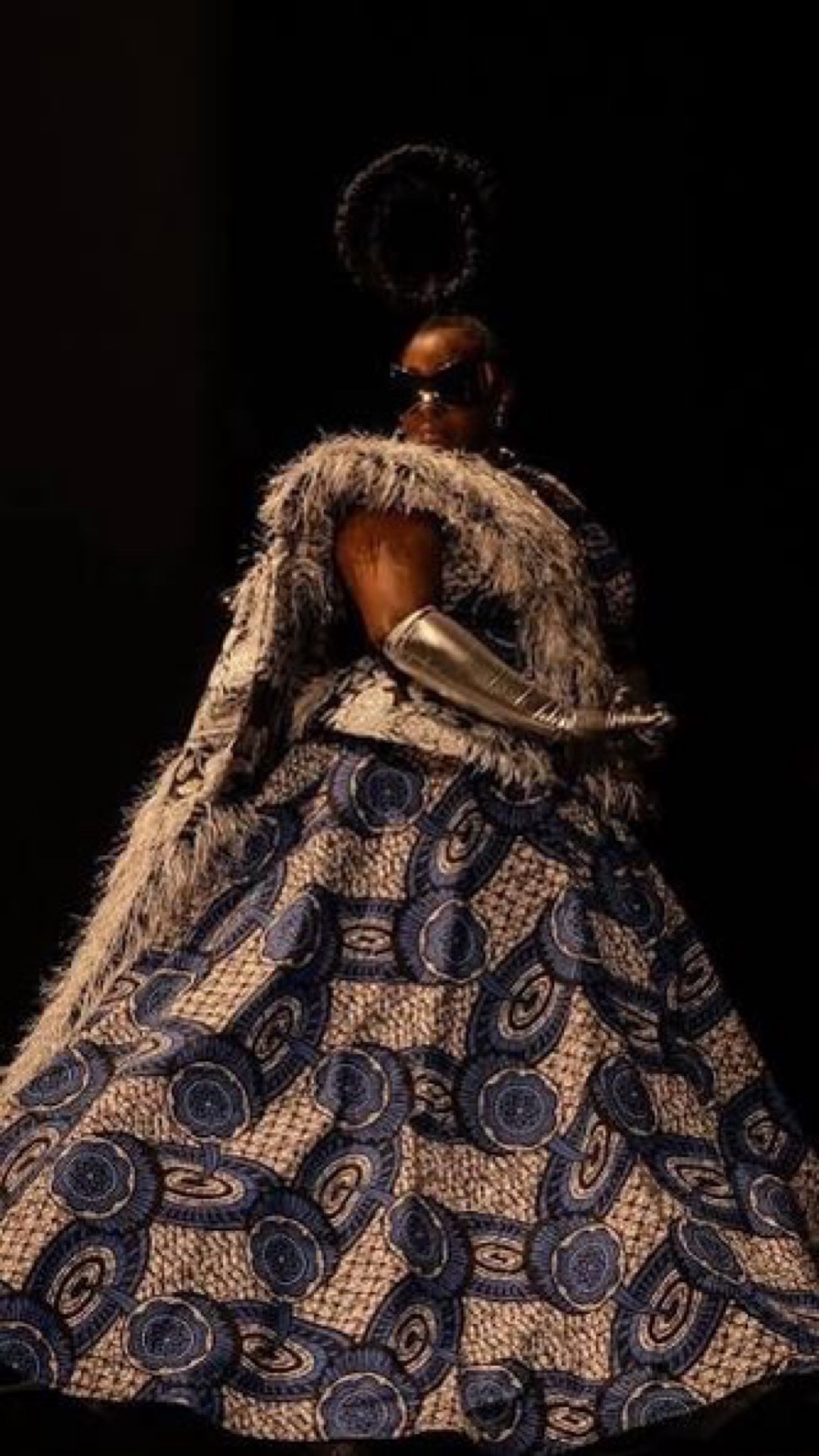
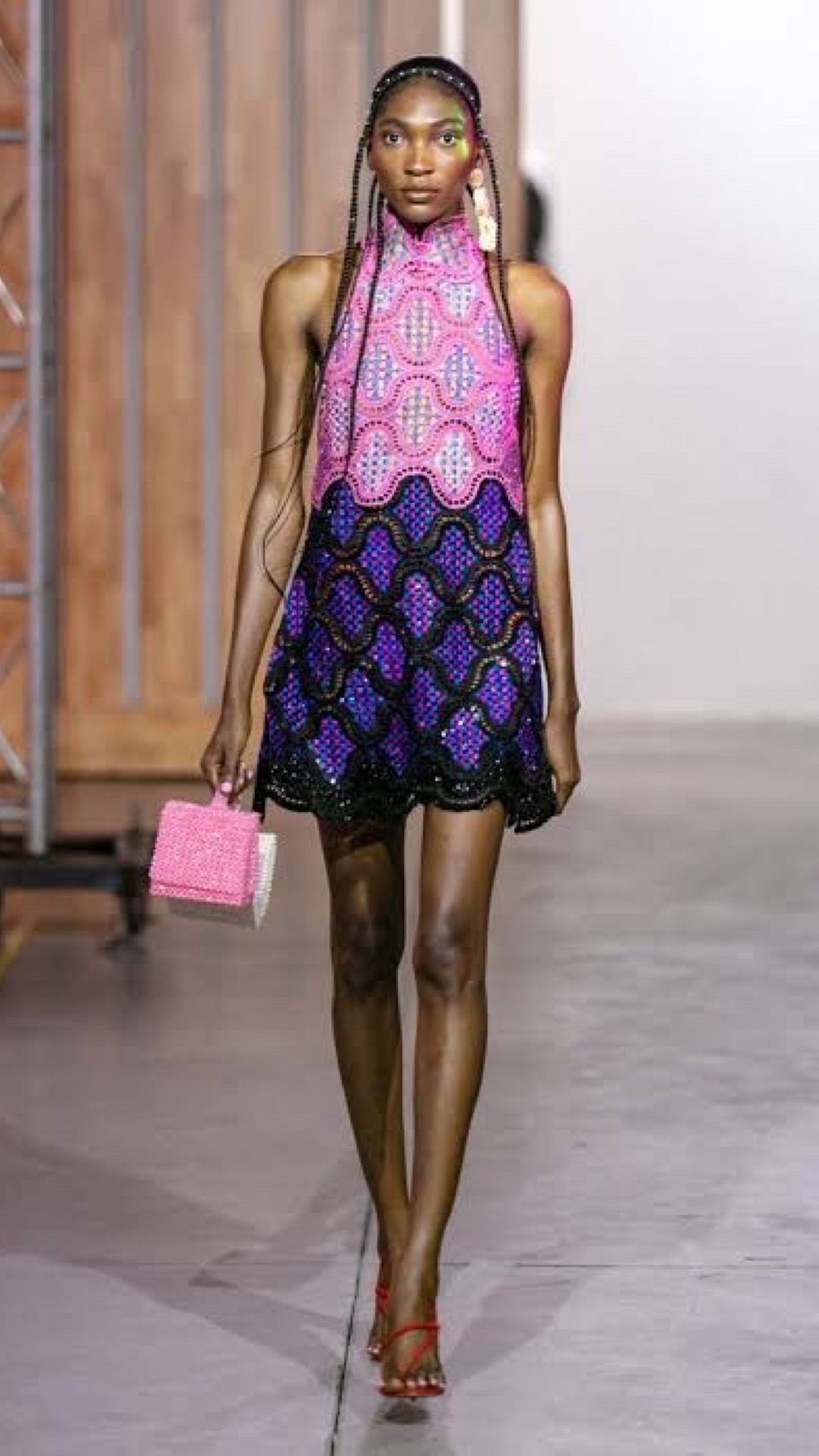
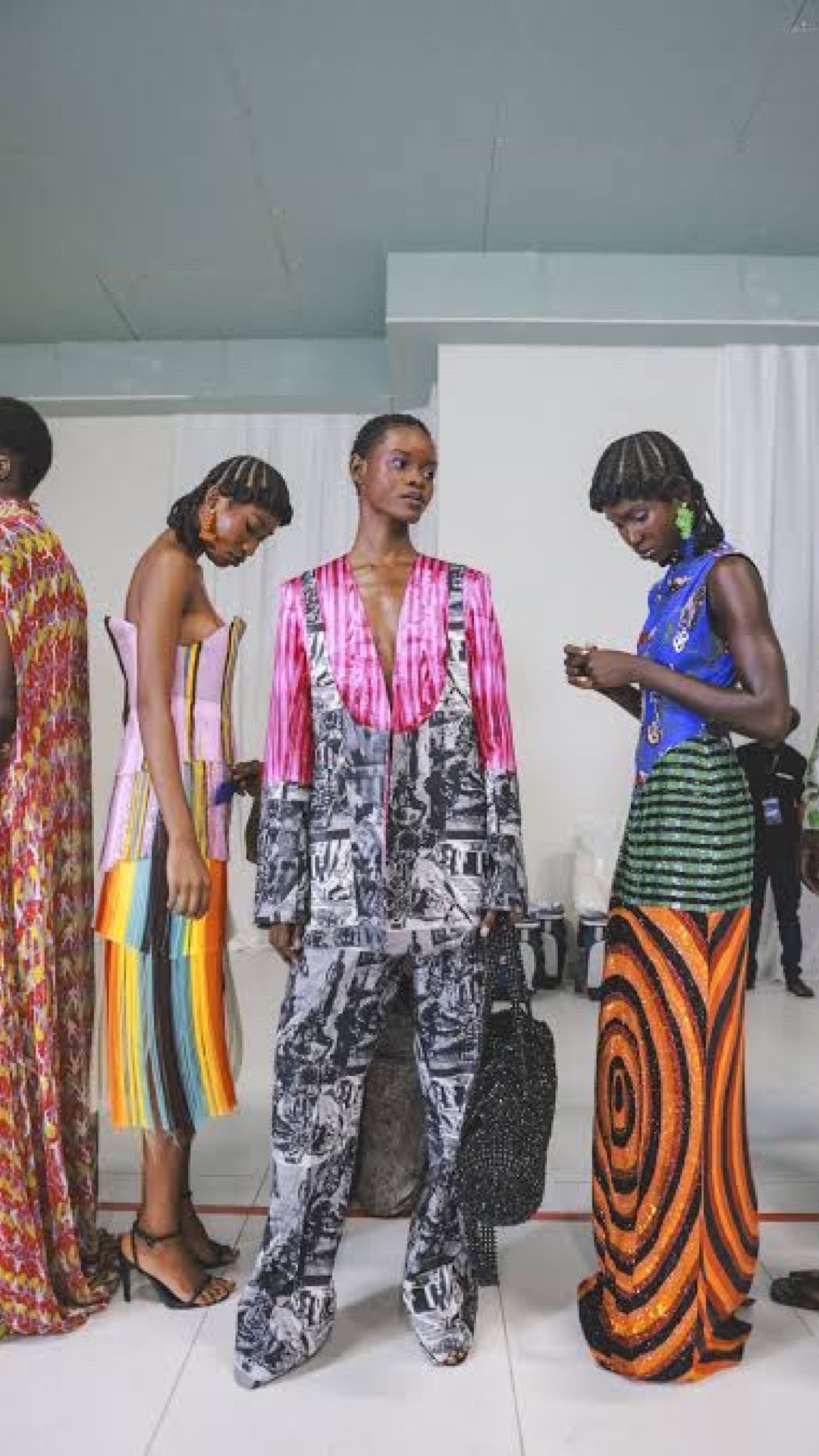
Emerging African designers are actively reshaping perceptions of the continent’s art and culture on the international stage. Renowned designers like Ozwald Boateng, Maki Oh, and Lisa Folawiyo are gaining acclaim for their innovative creations that meld traditional African aesthetics with contemporary fashion sensibilities. Their collections defy stereotypes and dismantle preconceived notions about African fashion, celebrating its sophistication and complexity.
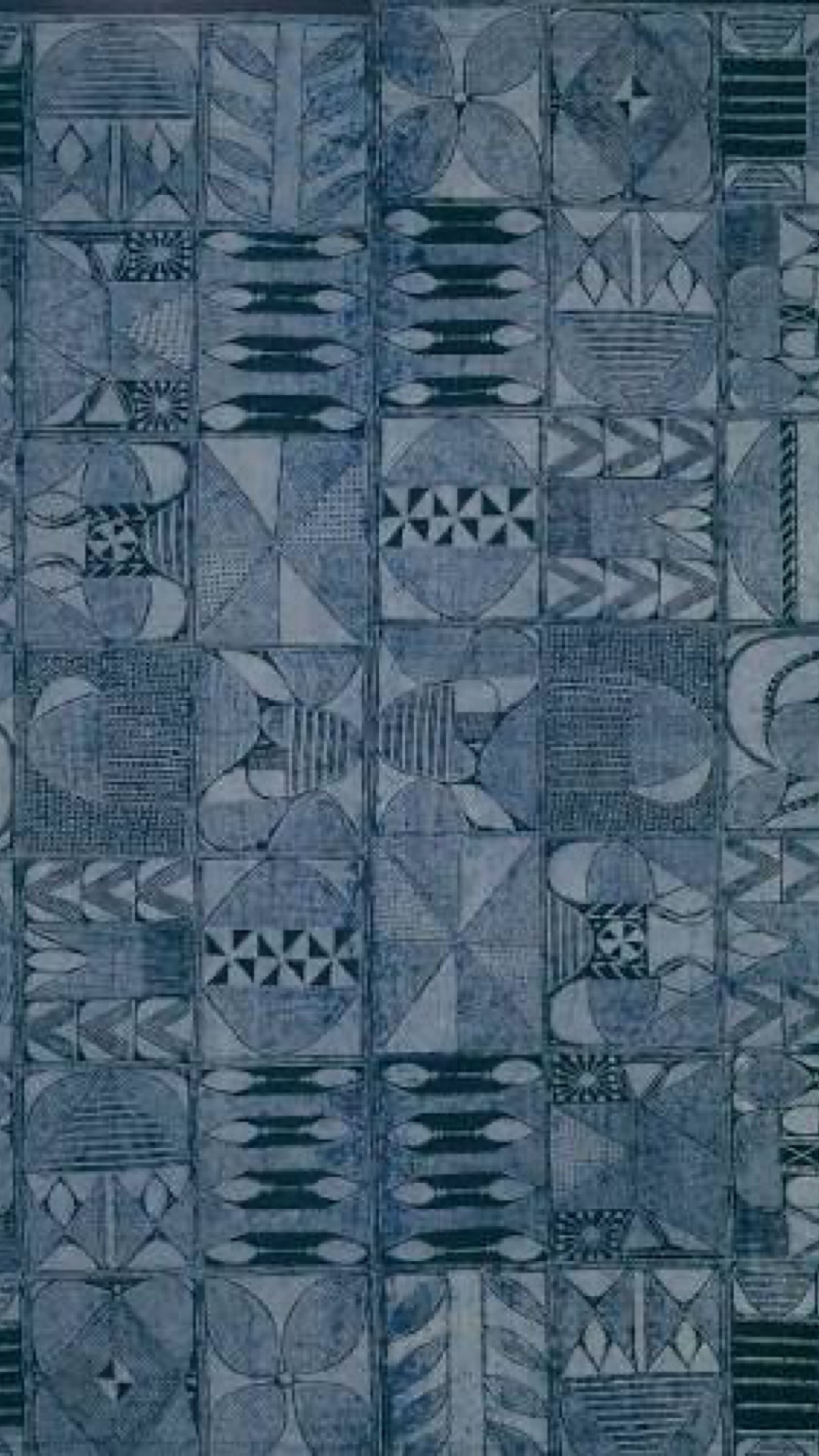
The influence of African art reaches far beyond textiles, infusing fashion with a wealth of motifs and symbols that enrich contemporary design. These elements represent essential concepts—fertility, protection, and community—integral to African artistic traditions. Today’s designers reinterpret these symbols, layering garments and accessories with rich meanings. For example, the Adinkra symbols from Ghana inspire various designs in jewelry, clothing, and home decor, connecting wearers to a broader cultural narrative often regarded as a more conscious approach to representation.
Additionally, traditional Maasai beading techniques from Kenya and Tanzania are featured in contemporary fashion jewelry and accessories, merging artistry with cultural significance. This seamless fusion highlights the vast diversity within African art, showcasing its potential for innovation and creativity. By embracing these rich traditional elements, the new generation of African creatives is redefining the global fashion narrative, paving the way for dynamic explorations of cultural heritage.
Looking ahead, the future of African art’s influence on global fashion and design is promising. As the industry increasingly values diversity, the vibrant colors, intricate patterns, and rich symbolism of African art provide boundless creative inspiration. The rise of sustainable fashion further emphasizes the importance of preserving traditional art forms and supporting local artisans, harmonizing African craftsmanship with eco-conscious movements.
The global impact of African art on fashion is nothing short of transformative. Its striking prints, rich textures, and distinct motifs are actively shaping contemporary styles and interiors alike. As global awareness and appreciation for African art continue to grow, crucial discussions surrounding the honoring of its cultural significance and the commitment to ethical practices in its commercialization have emerged, ensuring that African art thrives and inspires future generations.
As the global art scene evolves, African art remains a central force at the intersection of creativity and culture. The vivid colors, intricate patterns, and profound symbolisms inherent in African artistry have woven themselves into the fabric of fashion and design, transcending historical boundaries. From high-fashion runways in Paris to cutting-edge streetwear in New York, the aesthetics derived from African cultures are now essential to contemporary design, uniting diverse voices and promoting inclusivity.
This timeless interplay of tradition and innovation reinforces the recognition of African designers on the global stage. Iconic figures like Nigeria’s Lisa Folawiyo, South Africa’s Laduma Ngxokolo, and Senegal’s Selly Raby Kane have garnered international praise for their distinctive interpretations of African heritage that merge past and present. Their designs reflect a unique fusion of traditional aesthetics and contemporary concepts, resulting in garments that celebrate both cultural history and modern creativity.
As our world grows more interconnected, the enduring influence of African art serves as a testament to the power of culture in shaping our identities. This vibrant artistic expression enriches global fashion and invites reflection on our shared heritage. Moving forward, it is imperative that the fashion industry and art world prioritize preserving the narratives and traditions embedded in African art, ensuring they continue to inspire and inform future generations.
Through collaboration and ethical engagement, Africa’s artistic legacy can flourish—transforming our appreciation of culture in an increasingly globalized context. As designers, artisans, and fashion enthusiasts embrace the richness of African art, they contribute to an ongoing movement that celebrates diversity and honors the intricate stories and traditions woven into every piece. This journey transcends aesthetics; it acknowledges the profound cultural tapestries that shape our understanding of beauty in all its forms.
As we embark on this evolving path, it is evident that the influence of African art on global fashion and design will remain steadfast. The enduring power of tradition, creativity, and craftsmanship will fuel a dialogue that celebrates the beauty of diversity and cultivates an environment where art can thrive, inspire, and transcend borders.