The Numbers Behind the Demand
According to U.S. Census data, approximately 0.5 percent of American women stand over 6 feet tall, equating to roughly 1.6 million individuals. The number of tall women worldwide is even greater, highlighting an untapped market that many retailers have yet to effectively address. Brands like Old Navy, J. Crew, Asos, and Topshop have begun to offer tall sizes, while up-and-coming brands like The Sixes and Karlie Kloss’s tall jeans collaboration with Frame Denim have also made their entrance into this niche market.
Yet, despite this growing attention, the definition of “tall” remains ambiguous across different retailers. Jessica Couch, a fit expert, explained that sizing varies significantly from brand to brand. “What is a size 29 in one denim is a completely different size in another,” Couch stated. The complexity of fit extends beyond mere numbers; factors such as body shape, torso length, and differing proportions all contribute to the challenges faced by tall women. “Tall is a tough problem,” Couch continued. “Because a lot of times when you think tall, you think, ‘Let’s just stretch it out.’ That’s not the best way to go. You have to really understand what type of bodies you’re dealing with.”
Women’s clothing must accommodate a multitude of variations not just in height but also in body shape. Some women may have a pear-shaped figure, while others may have a more athletic build or be slender. Such diversity complicates the task of creating a line of clothing that adequately meets the varied needs of tall women. Often, tall women find themselves facing a difficult choice between the promise of fashionable looks and the reality of poor fit.
Couch, who also identifies as tall, acknowledged this dilemma faced by many women. “If I’m going to pay this money, I prefer not to compromise,” she expressed. “The best thing brands can do is really hyper-focus on who their target client is.” Height and body type should both play a crucial role in this focus, as the average height for women in the U.S. stands at a mere 5’3″. As a result, many tall women find that the offerings on the market do not truly fit their needs.
Black noted that although some websites classify tall sizes as suitable for those ranging from 5’7″ to 5’10”, this classification still leaves a significant gap for women who exceed 6 feet in height. “Not that it doesn’t cover some of our base, but for women who are over 6 feet tall, it still doesn’t do them justice,” she said. This discontent has fueled the demand for brands that genuinely cater to taller consumers.
Modeling Challenges
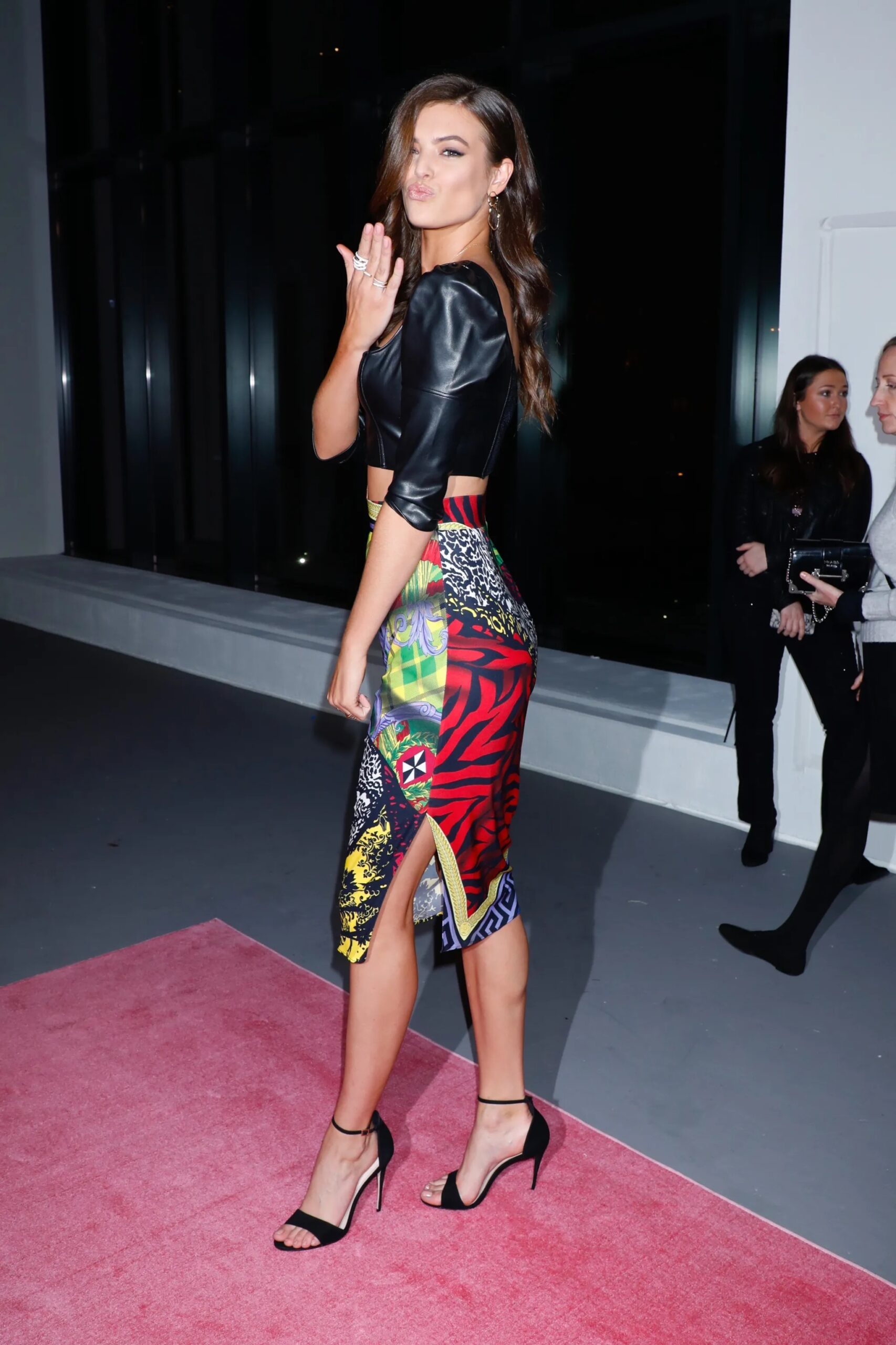
The challenges for the tall demographic extend beyond regular shoppers; even professional models often feel the inadequacy of sizing tricks designed for taller figures. Sofie Rovenstine, a 6’2″ Victoria’s Secret model, captured attention as one of the tallest models to grace the celebrated runway. Rovenstine shared, “For someone who’s not in the industry, they might look at me and think that I am standard [model] size. But I’m not.” Her experience highlights a discrepancy between standard sample sizes in the fashion industry and the realities of women’s bodies.
“I have a more athletic build,” she noted, explaining how her proportions differ significantly from other models who are typically quite slender. Rovenstine’s insights illuminate how the industry’s norms can leave even the tallest models feeling out of place.
Emotional Impact and Marketplace Growth
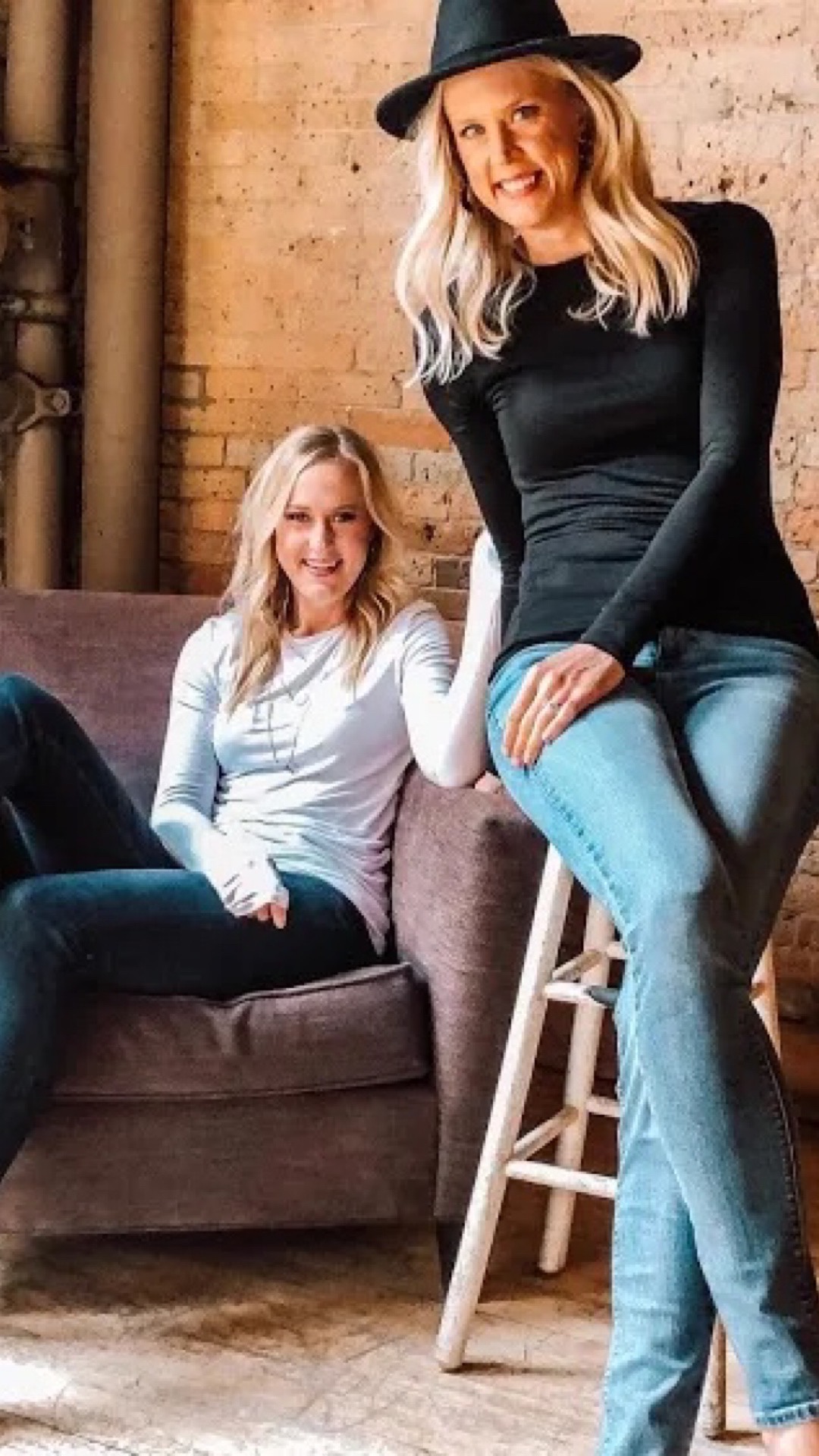
The emotional impact of size and fit cannot be overstated. Tall women like Rosenthal and Couch assert that the challenges in finding appropriate clothing go beyond aesthetics; they are profoundly intertwined with self-esteem. Rosenthal reported instances where customers have told her that her company’s clothing has transformed their confidence. “We’ve literally changed how they feel about themselves; that this [company] changed their entire confidence,” she recounted.
Couch echoed this sentiment, stating, “You do feel weird being tall because people point it out so much, as if you don’t know. But you also realize that you’re in a minority when you’re tall.” The challenges of shopping for clothes only intensify this feeling of being different, leading tall women to seek out brands that understand and value their experiences.
In response to these unique challenges, Amalli Talli has made it a mission to normalize the shopping experience for tall women by offering a variety of apparel such as maxidresses, jumpsuits, and skirts in different lengths. “It’s pretty typical for women to find pants in multiple inseams,” Rosenthal explained. “But we think it’s important to offer things like maxidresses, or jumpsuits, or skirts in multiple lengths as well. We’re really trying to normalize the experience of being tall in all ways for our customers.”
Looking Ahead
As the fashion landscape gradually shifts towards inclusivity, the tall women’s market stands at a critical juncture. The growing awareness of height-related challenges reflects an emerging dialogue that seeks to redefine beauty standards and representation within the industry. Brands that prioritize fit and cater to the specific needs of tall women, like Amalli Talli, are leading this important movement.
The demand for a broader definition of inclusivity that encompasses height is vital in order to ensure that all women, regardless of their stature, receive the representation they deserve in the world of fashion. As Rosenthal articulated, it is imperative to initiate conversations about the emotional experiences of tall women, further facilitating the push for change in an industry that has long marginalized this demographic.
While progress has been made, the journey towards complete inclusivity in the fashion world remains ongoing. As more brands emerge to meet the needs of tall women, consumers are encouraged to voice their preferences and support companies that prioritize diversity in all its forms. Ultimately, embracing the uniqueness of height can pave the way for a more inclusive and empowering fashion landscape.