While many might perceive Saiers’ actions as merely the quirks of a prankster, he insists that he is an artist whose work transcends simple shock value. “I’m not trying to get a rise out of everybody,” he stated. “I’m trying to have a serious conversation.” For Saiers, his guerilla art isn’t simply about the stunt; it reflects an engagement with societal issues and a desire to engage audiences on deeper topics, including ownership and the impact of crime on cultural heritage.
This particular operation was markedly simpler than his past endeavors, which often involved elaborate schemes designed to draw attention to significant societal issues. One of his previous projects included the distribution of fake brochures of the Metropolitan Museum of Art alongside legitimate literature, aimed at raising awareness about human sex trafficking. In contrast, Saiers’ latest action required merely approaching museum security and asking if he could leave the replica in their care. This act of simplicity stands in stark contrast to the complexity and chaos surrounding the world of art theft.
Despite the unconventional nature of his placement, details regarding the museum’s response have remained somewhat murky, with Saiers choosing to remain discreet about their reactions. He noted, “They’ve been very fair and reasonable,” which is perhaps a nod to the broader respect he holds for art institutions and the cultural significance they embody.
Timing is often everything in the world of art and representation, and Saiers’ project happened just a day before April 1, prompting some observers to wonder whether it was an elaborate April Fool’s joke. “It’s not an April Fool’s joke. The issues I’m dealing with are very important,” he clarified, underscoring the gravity of the conversation he aims to elevate through his actions.
The questions arising from this incident raise important discussions about what constitutes art in contemporary society. When a reproduction of a stolen piece is placed in a museum, it sends ripples through notions of authenticity, ownership, and cultural value. Can an imitation of a masterpiece spark genuine dialogues about the role of art, or does it detract from the sacredness associated with the original?
Moreover, this situation compels art enthusiasts and casual observers alike to contemplate their relationship with both original and reproduced works. The rising prevalence of underrepresented voices in discussions surrounding art theft and preservation invites scrutiny of how society assigns value to creative endeavors, especially in contexts where cultural integrity is threatened.
Nelson Saiers’ act may seem like a spontaneous gesture, yet it speaks to broader considerations about the role of art in provoking thought and encouraging conversations about complicated subjects. With the specter of theft hanging over the cultural landscape, the replica serves a dual purpose as both an object of art and a catalyst for discussion, compelling viewers to reassess their relationship with artistic heritage.
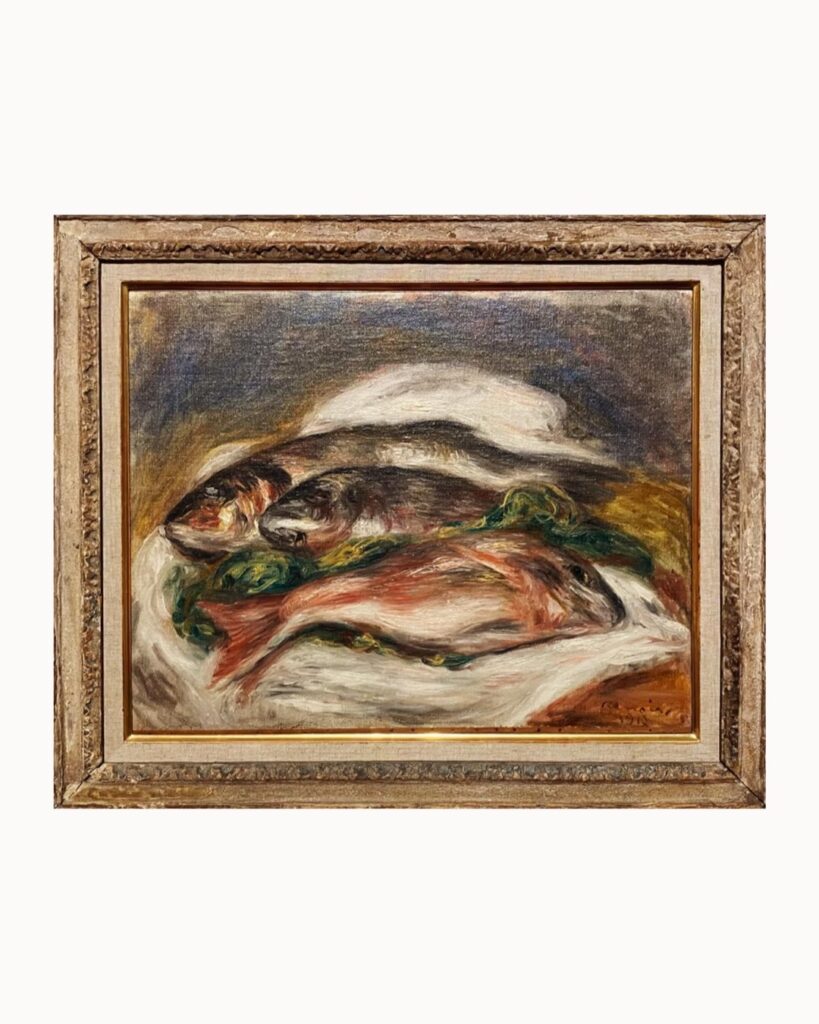
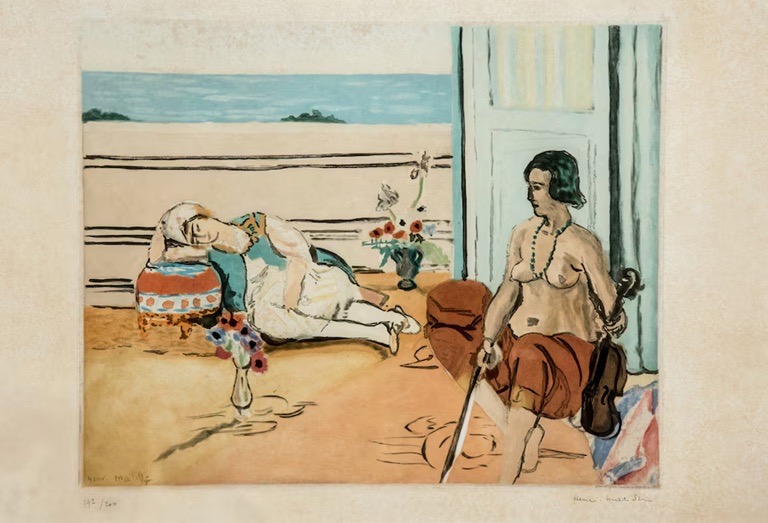
The ongoing plight of stolen art is not merely about the financial loss experienced by institutions or collectors but encompasses the emotional and historical connections that society has with these cultural artifacts. The theft of Cézanne and his contemporaries serves as a stark reminder of how easily art can be lost, simultaneously erasing narratives and stifling cultural dialogues that can only be fostered through shared experiences with original works.
In pursuing this path, Saiers offers fresh perspectives on art, allowing viewers to engage in dialogues that extend beyond the canvas. His approach personifies a growing trend among contemporary artists who see themselves not merely as creators but as provocateurs, pushing audiences to rethink deeply embedded norms about value, ownership, and authorship within the art world.
As the details of this curious incident continue to unfold, art institutions will need to confront their own responses to such actions. The balance between respecting artistic expression and maintaining the integrity of cultural artifacts will prove crucial in establishing future preventive measures against theft while fostering an environment that encourages dynamic conversations within the artistic community.
Ultimately, whether Saiers’ replica is deemed art in its own right, or simply a stunt, it undeniably highlights the ongoing tensions and complexities surrounding the appreciation of creative works amidst a world rife with artistic thefts. The nuances of this discussion resonate far beyond the replica itself, inviting advocates, creators, and audiences alike to engage with the pressing realities of protecting cultural heritage and celebrating the stories embedded in every piece of art.
As society navigates these challenging waters, the implications of this story will likely inspire greater scrutiny of how art is perceived, valued, and its role as a bridge to understanding the broader human experience. In a realm where theft and reproduction frequently collide, the intersection of creativity and cultural heritage remains ever so vital. The quest to delineate the lines between genuine artistic expression and mere imitation may well shape the landscape of contemporary art for years to come.