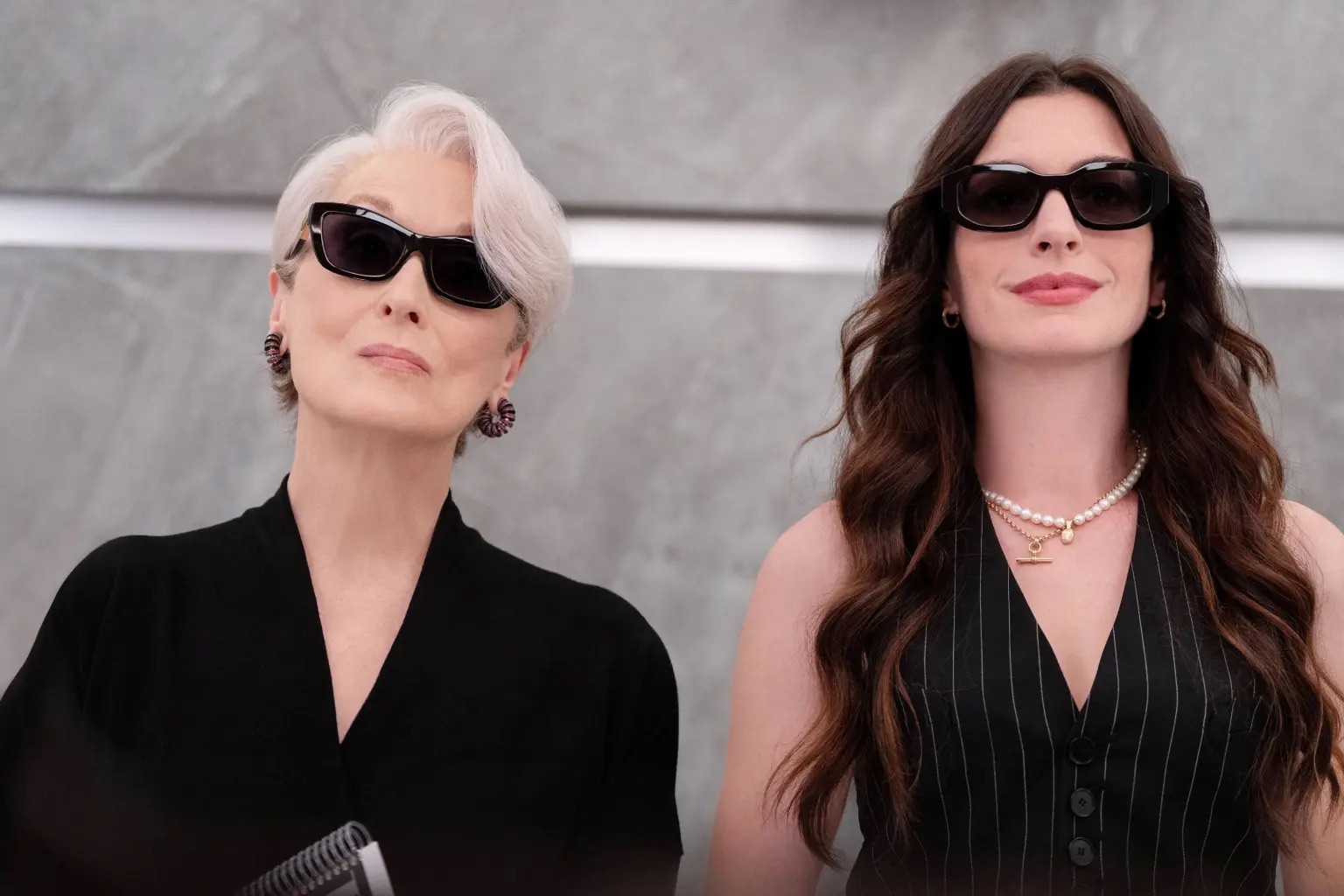
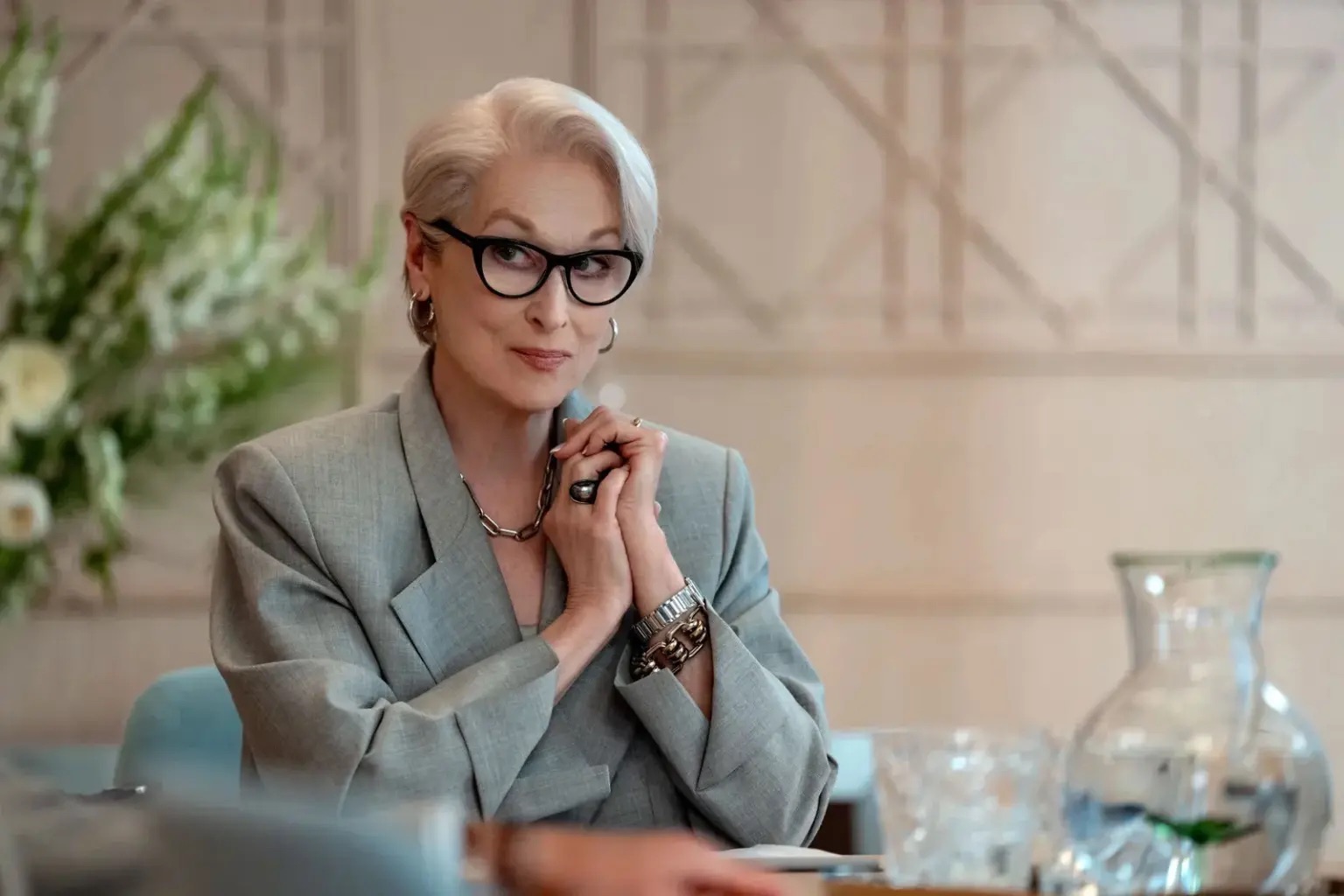
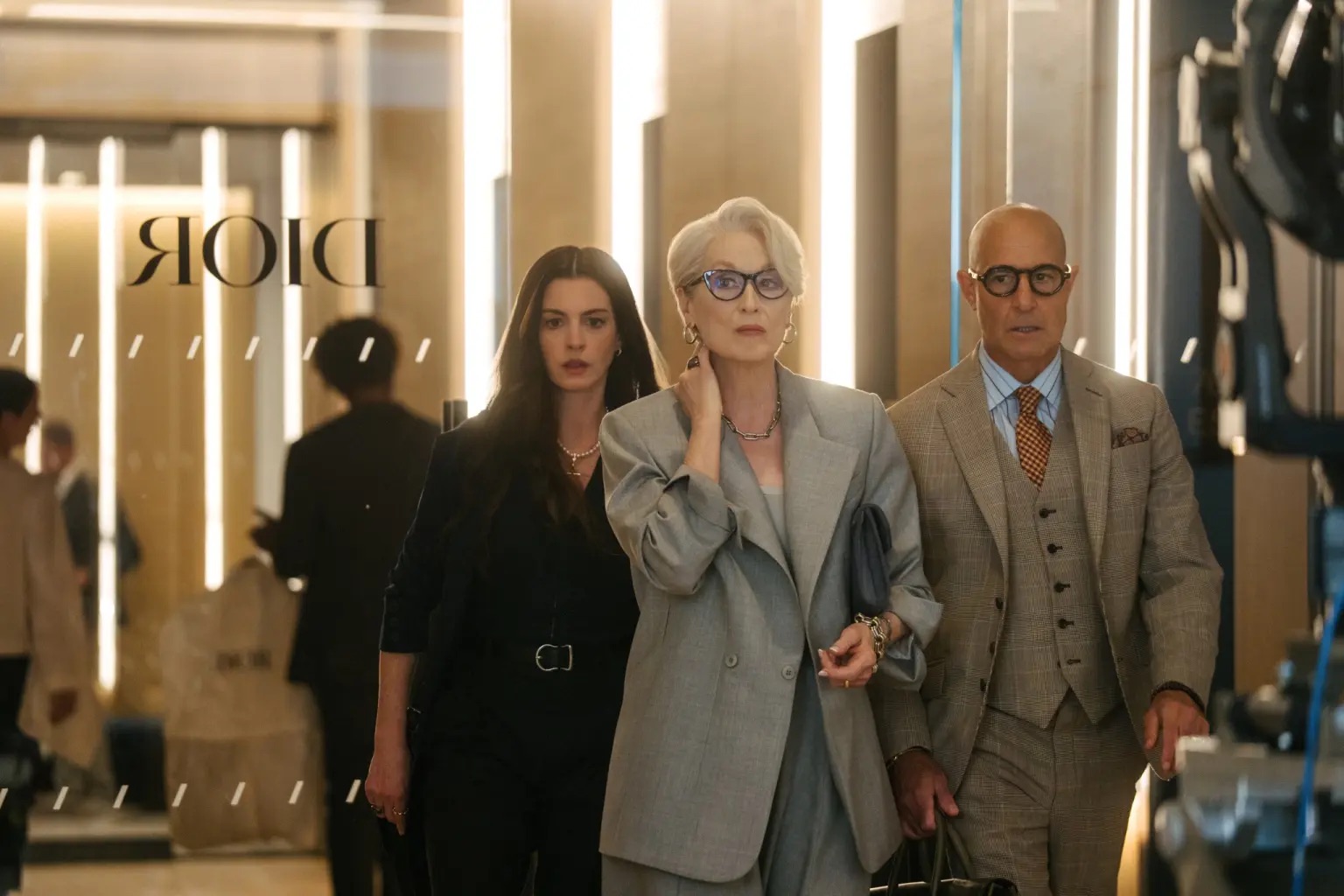
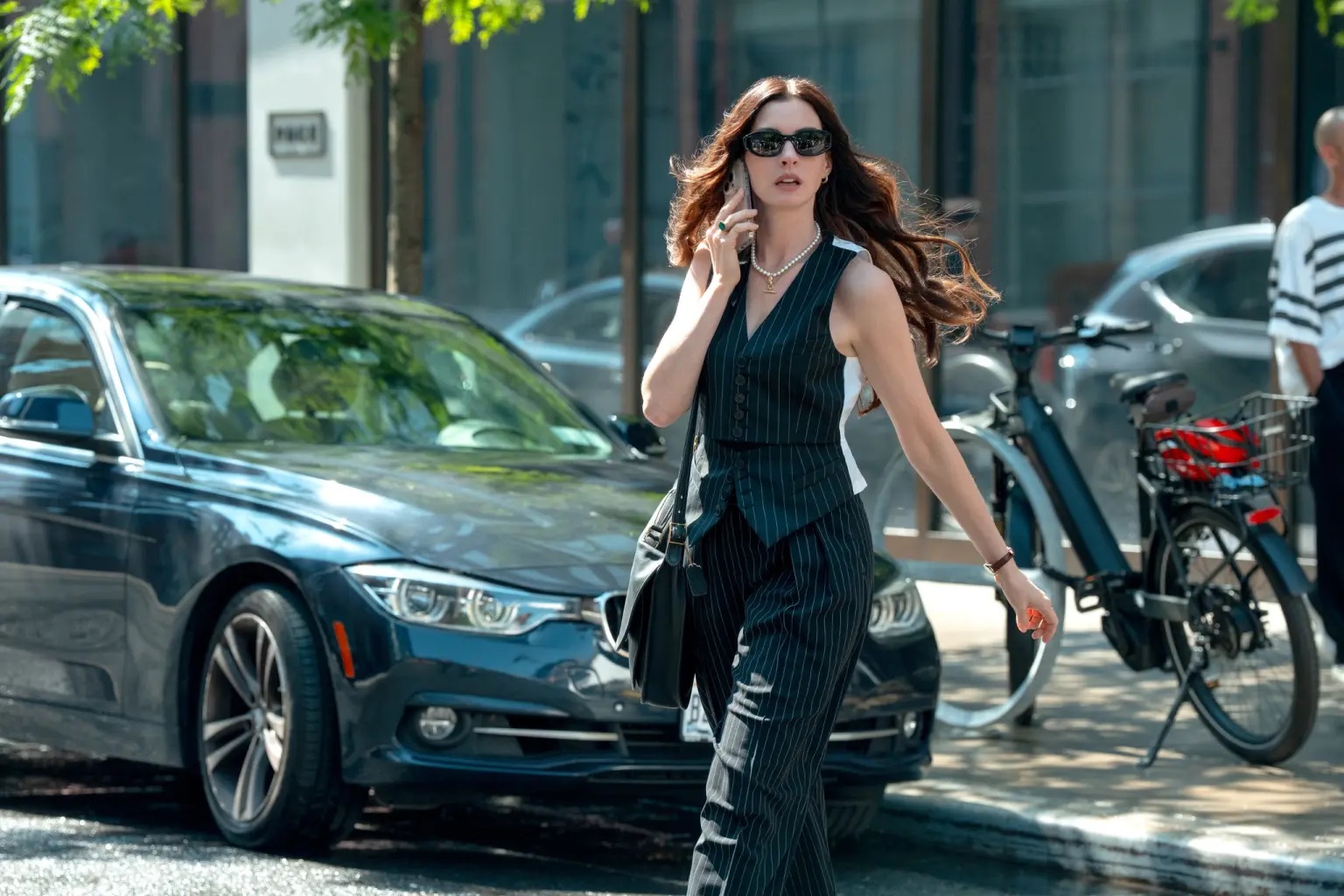
Wintour, with her trademark poise, recollected her feelings about being portrayed by Streep. “It’s such an honor to be played by Meryl, however distant Miranda is from myself. Who wouldn’t think that that wasn’t the most extraordinary gift?” This affectionate acknowledgment reveals the deep respect Wintour holds for the actress, despite the fact that Miranda Priestly is a fictional character infused with exaggeration.
As the conversation drifted to the sequel, titled “The Devil Wears Prada 2,” Wintour candidly shared her apprehensions. “When I heard rumors that this new film might be happening, I called Meryl to ask if it was true. I knew she would tell me if it was going to be all right,” she admitted. The connection they share is profound, encompassing both professional respect and personal trust—an unusual bond in the cutthroat realm of fashion and Hollywood.
Upon Streep’s reading of the sequel’s script, she reassured Wintour, saying, “Anna, I think it’s going to be all right.” While she revealed little of the plot, the actress’s words provided Wintour with solace and validation, exemplifying the strength of their relationship.
However, as playful banter ensued during the interview, both women firmly dismissed any notions of switching careers. Wintour, known for her unwavering confidence in the fashion industry, humbly asserted, “There’s no way. I have no gifts. I have absolutely no gifts at all. I can’t sing, I can’t dance, I can’t act, I’m useless with my hands, I can’t cook, I certainly can’t sew.” Her honest self-assessment highlights the importance of finding one’s niche and acknowledging the prowess others possess in different realms.
Streep, on her part, was equally jocular when asked if she would ever consider leading a magazine like Vogue. “I would dread the shoes,” she quipped, illustrating the pressure that comes with being at the helm of such a colossal publication. Both women express a sense of humility as they humorously acknowledge the distinct challenges associated with each other’s careers.
Fashion’s future, as discussed during the interview, is laden with questions. How will designers respond to consumer demands in an era where self-expression is paramount, and traditional standards are increasingly challenged? Wintour’s discerning eye for emerging trends and Streep’s instinct for storytelling paint a captivating picture of the fashion landscape evolving beyond conventional realms.
Wintour, reflecting on her decades of experience, mentioned that the evolution of fashion is entwined with shifts in society at large. “Fashion constantly reinvents itself in response to cultural changes,” Wintour stated, suggesting that the trends of tomorrow will reflect the complexities of contemporary life. Both women emphasized how vital authenticity and individuality are in this brave new world.
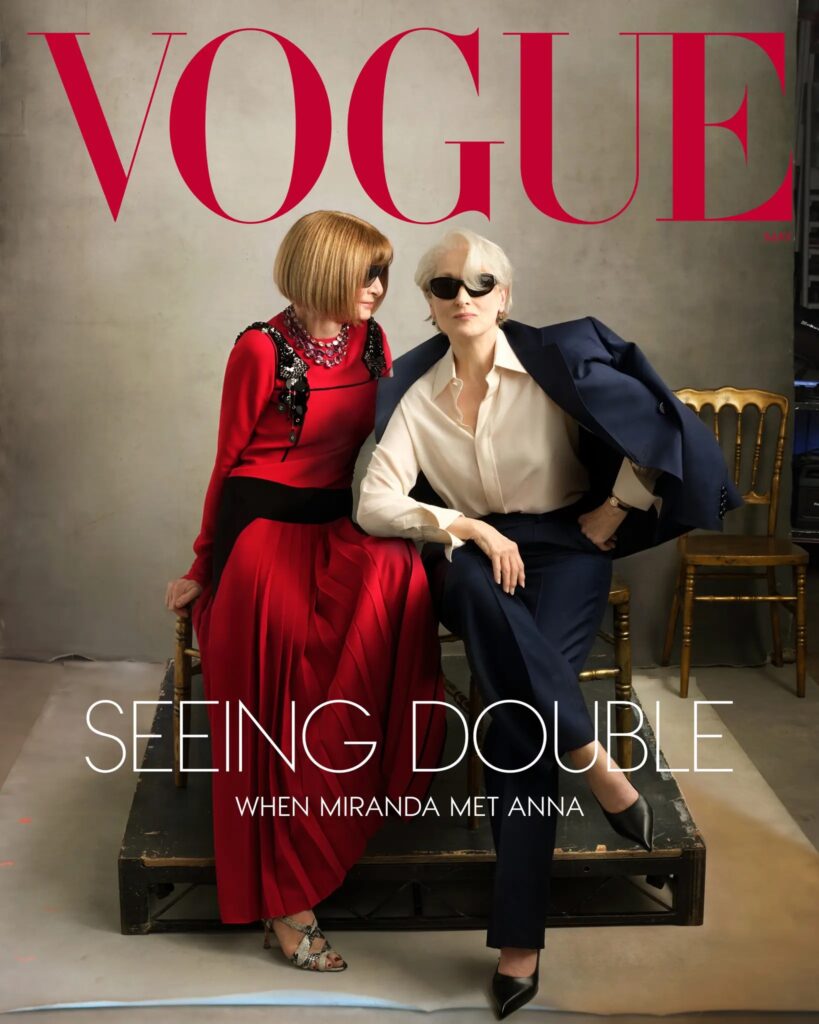
The collaborative nature of this project also highlights Wintour’s penchant for supporting emerging talent, as evidenced by her role in overseeing the Vogue cover photo shoot with Leibovitz. As one of the most influential figures in the fashion industry, Wintour continues to foster creativity and uplift new voices, a quality that resonates deeply with her fans and followers. This commitment to collaboration echoes throughout the pages of Vogue, wherein varied perspectives and aesthetics come together to create a vibrant tapestry of modern fashion.
Fashion’s capacity to ignite conversation is not lost on these two visionaries. Streep shared her sentiments on the responsibility of representation in the industry: “Fashion should tell stories, make people feel, and push boundaries. It’s about ushering in a spirit of liberation and empowerment.” In this ethos lies the foundation of their work, where personal belief intertwines with visual artistry.
As anticipated, “The Devil Wears Prada 2” promises to delve into themes of mentorship, ambition, and navigating new creative challenges within an industry rife with complexities. Streep hinted at the evolving landscape of Miranda Priestly’s character, suggesting that audiences will witness a more nuanced portrayal, one that reflects growth but also the inherent pressures of the fashion world.
The sequel’s release is bound to provoke discussions about not only the fashion industry’s trajectory but also the societal implications of beauty standards and gender dynamics. With Streep back in her iconic role and Wintour serving as a guiding light, their influence will ripple beyond the screen, encouraging new dialogues within and outside the realm of fashion.
Ultimately, the Vogue cover featuring Anna Wintour and Meryl Streep is more than just a chic marketing strategy for an upcoming film. It symbolizes a celebration of two powerful women who have paved the way in their fields while embracing their unique identities. Their relationship exemplifies the kind of collaboration that transforms industries, challenges perceptions, and fosters inclusivity.
As viewers eagerly await “The Devil Wears Prada 2,” the iconic duo’s witty repartee and unmistakable charm shine through in every poignant moment captured in Vogue’s pages. Their reflections offer insight that transcends age, reminding audiences that creativity, individuality, and authenticity will always triumph in the ever-evolving world of fashion.
In the intersection of film and fashion, where glitz and glamour often overshadow the human experience, Wintour and Streep stand as beacons of authenticity, illuminating the path for future generations to follow. The upcoming release will not only be a reminiscent glance at their legendary collaboration, but a contemporary exploration of the complexities of fashion’s future and the relationships that shape it.
As the world prepares for a new chapter in the story of Miranda Priestly, it will be crucial to recognize the beauty in both evolution and tradition—a lesson that Wintour and Streep eloquently embody as they make their mark once again, this time on the cover of Vogue.