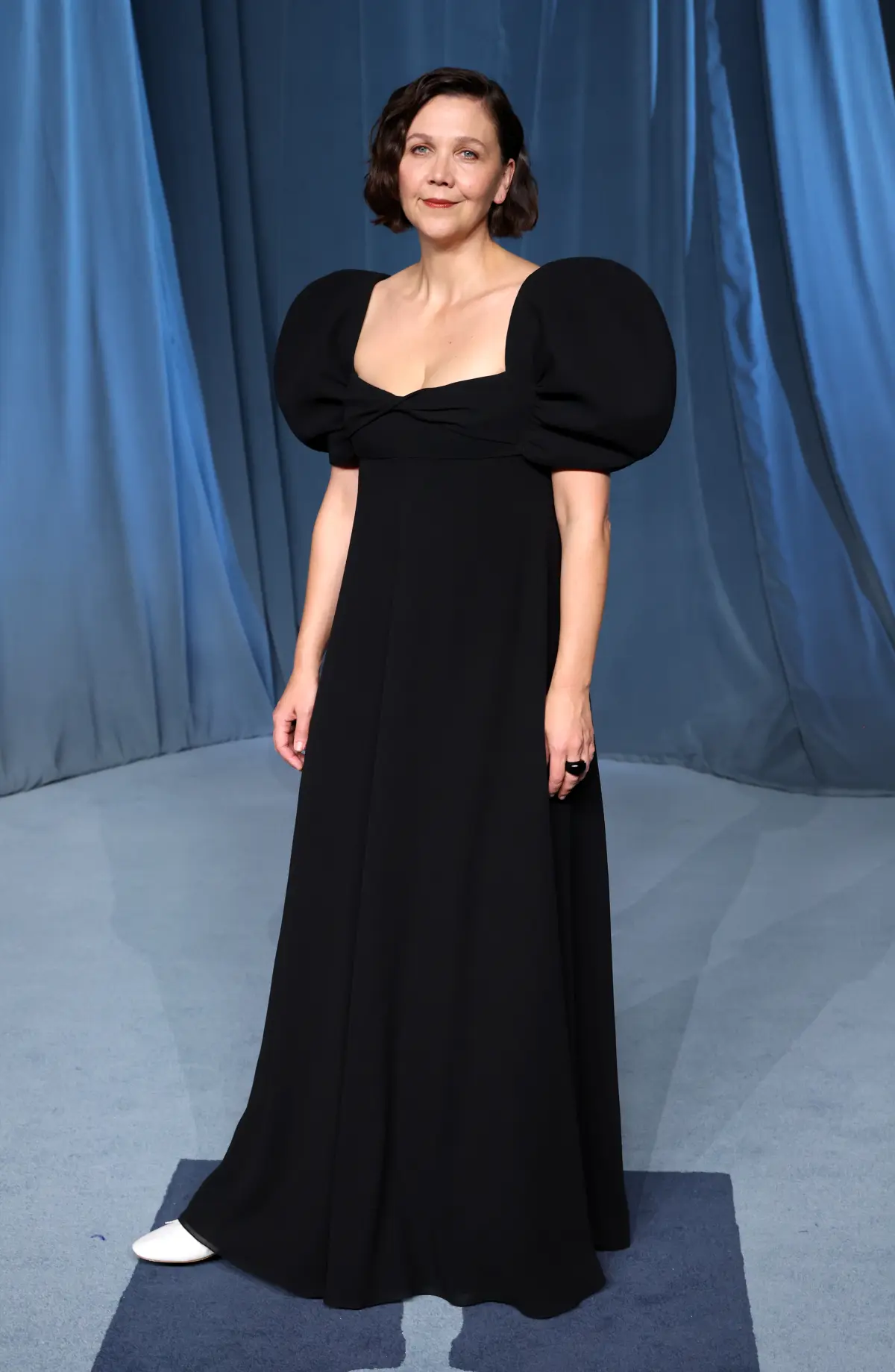
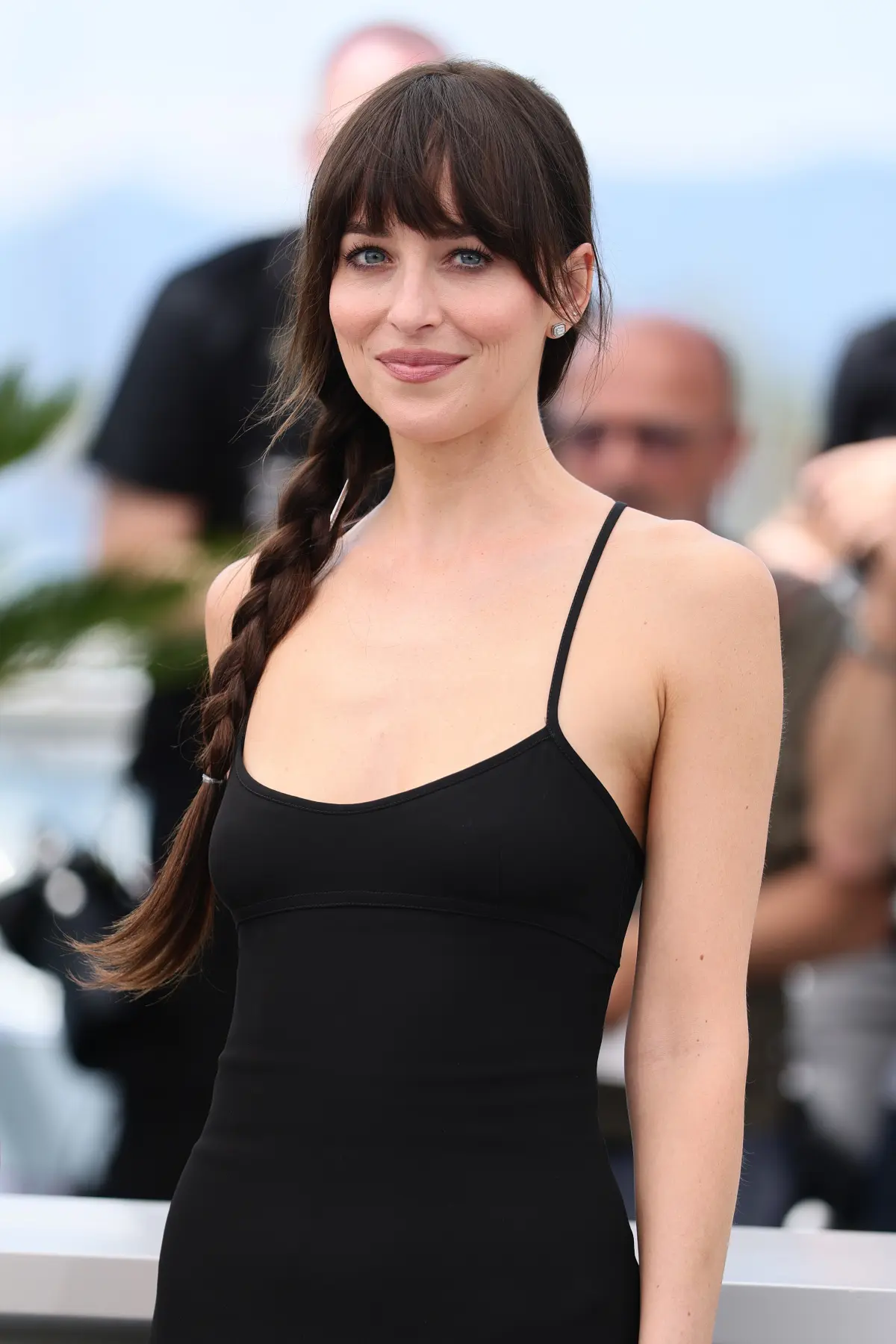
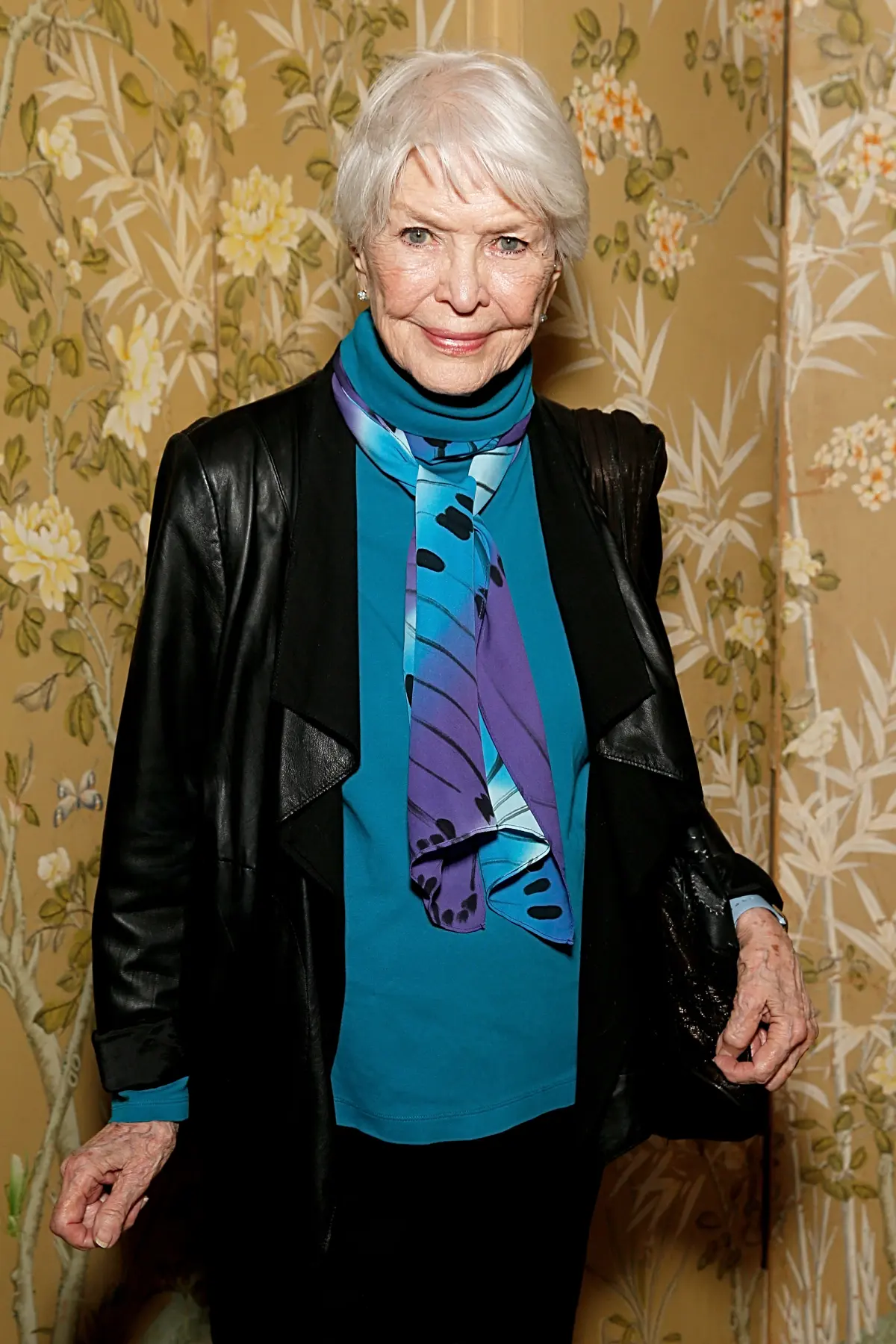
Narrative details provided by the Venice Film Festival logline suggest a story that is as mysterious as its subject. The film follows an elderly woman who auditions for a play at a small blackbox theater in New York City. As she begins to describe her qualifications and professional history, the boundaries between reality and performance dissolve, allowing secrets about her identity and the misconceptions surrounding her life to emerge. It is a premise that places the focus squarely on the internal life of the performer, rather than the external spectacle of the star.
Marilyn Monroe, who died in August 1962 at the age of 36, has been portrayed by a diverse array of actresses over the last several decades, including Ana de Armas, Michelle Williams, Kelli Garner, Ashley Judd, and Mira Sorvino. Each of these performances has grappled with the same central question: how does one capture the humanity of a person who has been turned into a symbol? Flesh Impact appears to sidestep the traditional biopic structure entirely, opting instead for a conceptual piece that examines the “flesh and impact” of a life lived in the public eye.
Gyllenhaal’s approach is indicative of a broader trend in contemporary cinema, where directors are moving away from linear storytelling in favor of more impressionistic, character-driven studies. By framing the film around an audition, the director creates a space for the character to reclaim her own narrative. The theater becomes a confessional, a place where the mask of the icon can be temporarily removed to reveal the human being beneath.
The production of the short film was marked by a shared sense of artistic discovery. Johnson’s willingness to inhabit such a polarizing and deeply scrutinized figure speaks to her growth as an actress, particularly after the global success of the Fifty Shades franchise. Her collaboration with Gyllenhaal suggests a creative partnership built on mutual trust and a shared desire to challenge audience expectations. The short format, lasting only 17 minutes, requires a level of precision and intensity that a feature-length film might not demand, forcing every frame to carry the weight of the film’s thematic ambitions.
Venice Film Festival audiences will be the first to experience this ambitious project when it premieres in September 2026. The choice of festival is significant, as Venice has long been a home for avant-garde and experimental cinema that seeks to push the boundaries of the medium. Flesh Impact arrives at a moment when the conversation surrounding the treatment of women in Hollywood is more prominent than ever. The film’s focus on the “vulnerable and powerful” nature of the acting profession serves as a poignant commentary on the industry’s historical treatment of its biggest stars.
Themes of identity and the erosion of the self under the pressure of fame are central to the film’s narrative arc. As the character auditioning for the role describes her life, the audience is invited to question the veracity of the stories we tell about our icons. Are we seeing the real woman, or are we witnessing another layer of performance? This ambiguity is the film’s greatest strength, forcing viewers to engage with the material rather than simply consuming it as a historical reenactment.
Costume and production design also serve to ground the film in a specific emotional reality, even as the narrative drifts into the realm of the surreal. The use of the blackbox theater setting creates a claustrophobic, intimate environment where the focus remains entirely on the actor’s voice and presence. It is a stark contrast to the massive, opulent sets often associated with Monroe’s film career, emphasizing the isolation that often accompanies extreme fame.
Critics and cinephiles are already anticipating the film’s debut, citing Gyllenhaal’s unique directorial vision as a major draw. Her ability to synthesize complex emotional states into striking visual compositions was well-established in her earlier work, and Flesh Impact appears to be a natural extension of that sensibility. The collaboration with Burstyn, a titan of the American stage and screen, adds an extra layer of gravitas to the project, bridging the gap between the golden age of Hollywood and the modern era.
Ultimately, the film asks the viewer to consider the cost of the myth. Marilyn Monroe may be gone, but the industry’s need to project its own desires onto her image remains as strong as ever. By presenting a version of the icon that is “blurry,” “vulnerable,” and “powerful,” Gyllenhaal and Johnson are not attempting to solve the mystery of Monroe, but to honor the complexity of her experience. It is a bold, artistic statement that challenges the audience to look past the surface and consider the person who existed before the image took over.
As the premiere date approaches, the excitement surrounding Flesh Impact continues to grow. It is a rare example of a project that manages to be both highly anticipated and deeply personal, a testament to the power of a director with a clear vision and actors who are willing to take risks. Regardless of how the film is received at Venice, it has already succeeded in sparking a conversation about the nature of fame, the weight of history, and the enduring power of the performance.
The legacy of the woman who was born Norma Jeane Mortenson is far larger than any single film could hope to capture. However, by focusing on the specific, intimate moments of a life lived in the spotlight, Flesh Impact manages to offer a fresh perspective on a story that has been told a thousand times. It is a reminder that even the most well-known figures have secrets, and that the truth of a life is often found not in the headlines, but in the quiet, unspoken moments of the human experience.