France’s Legislative Actions
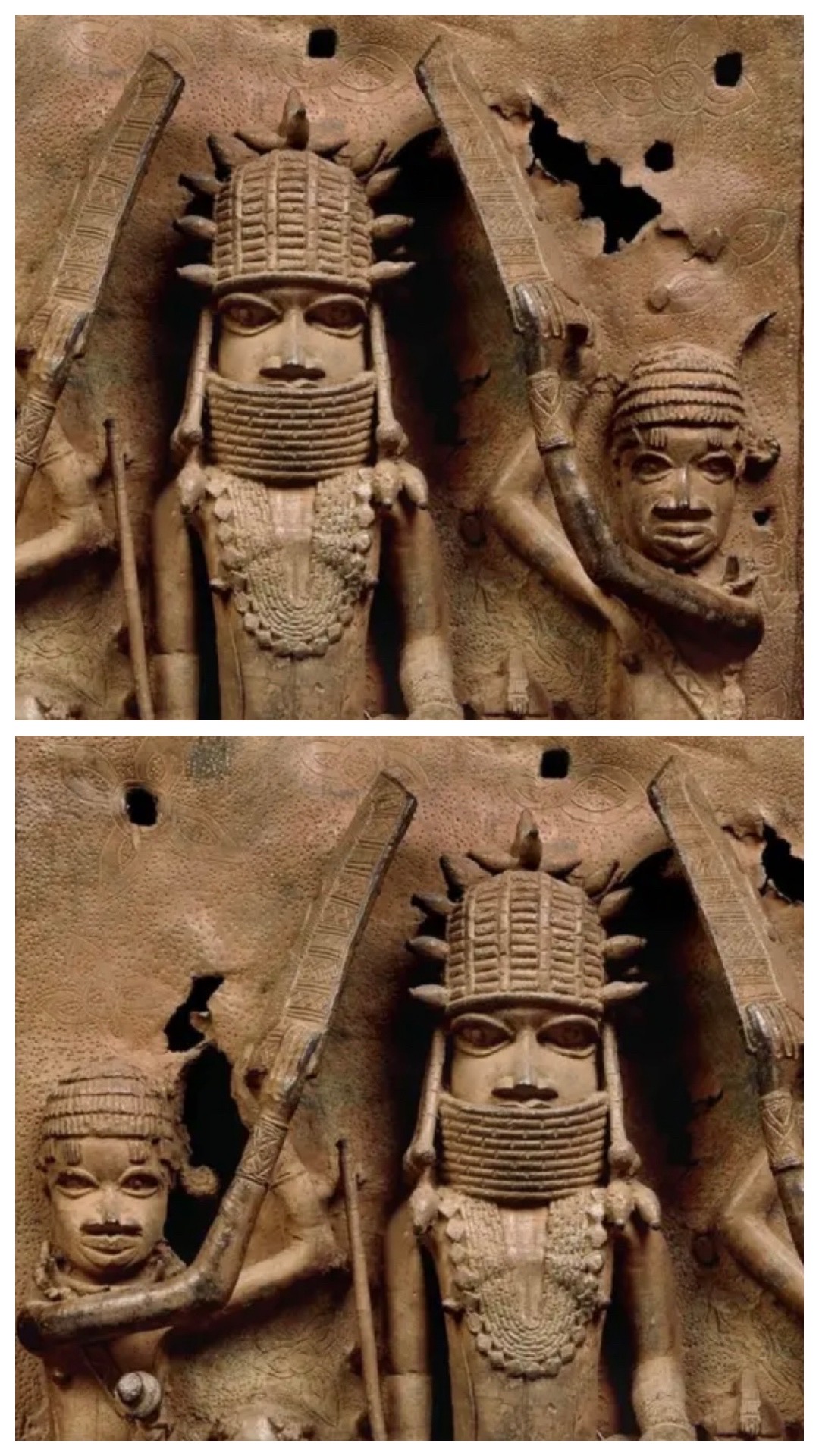
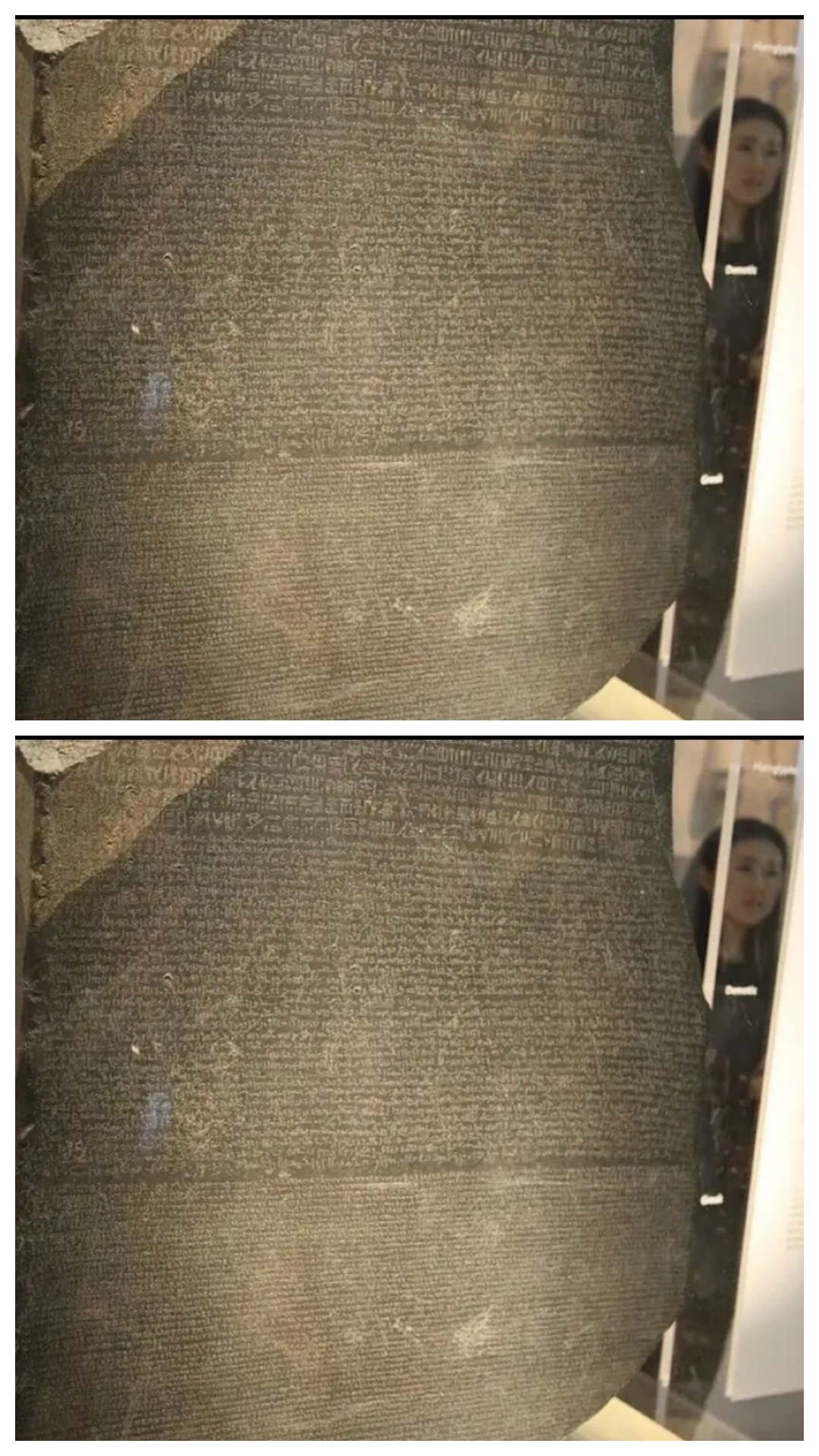
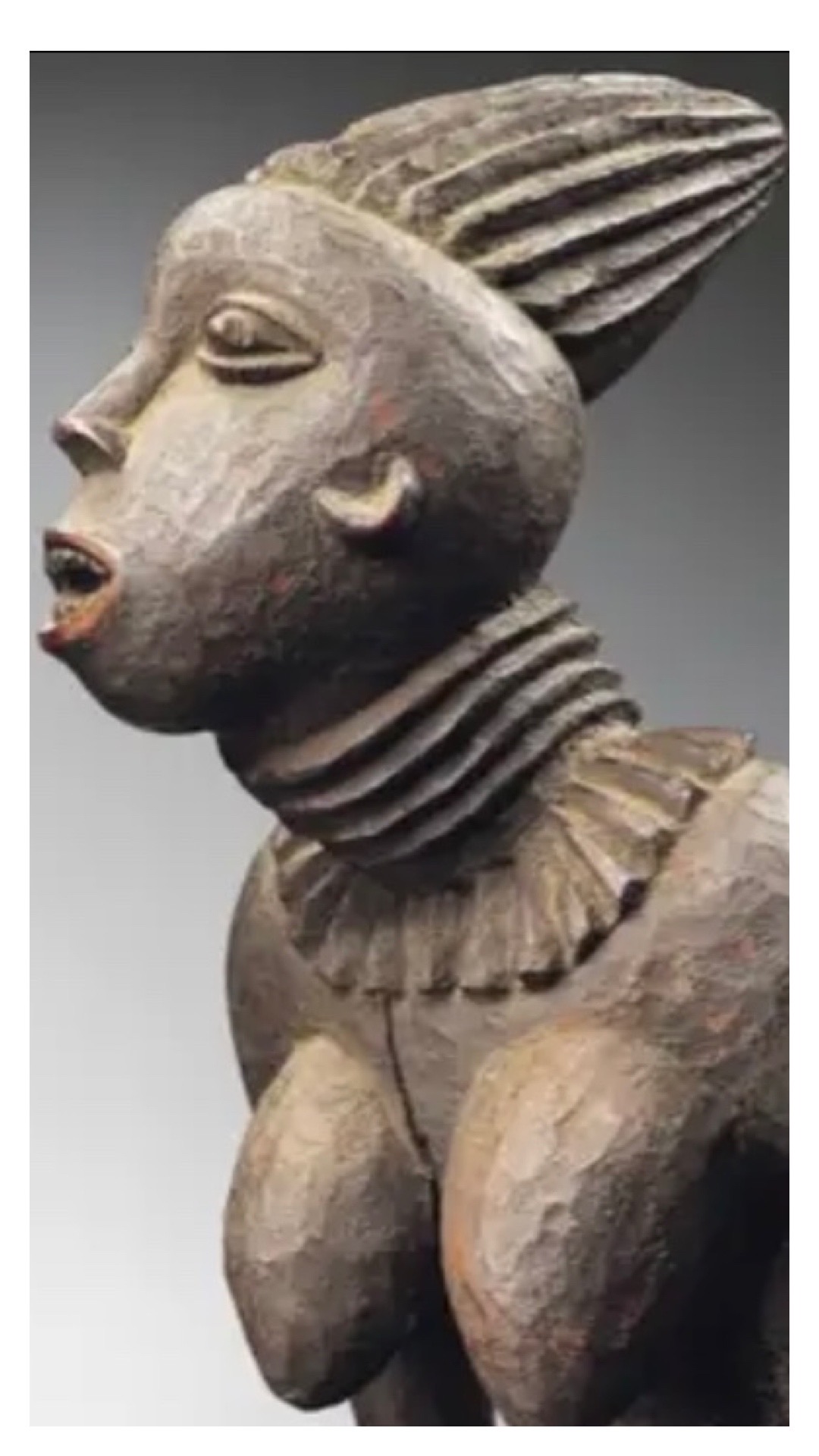
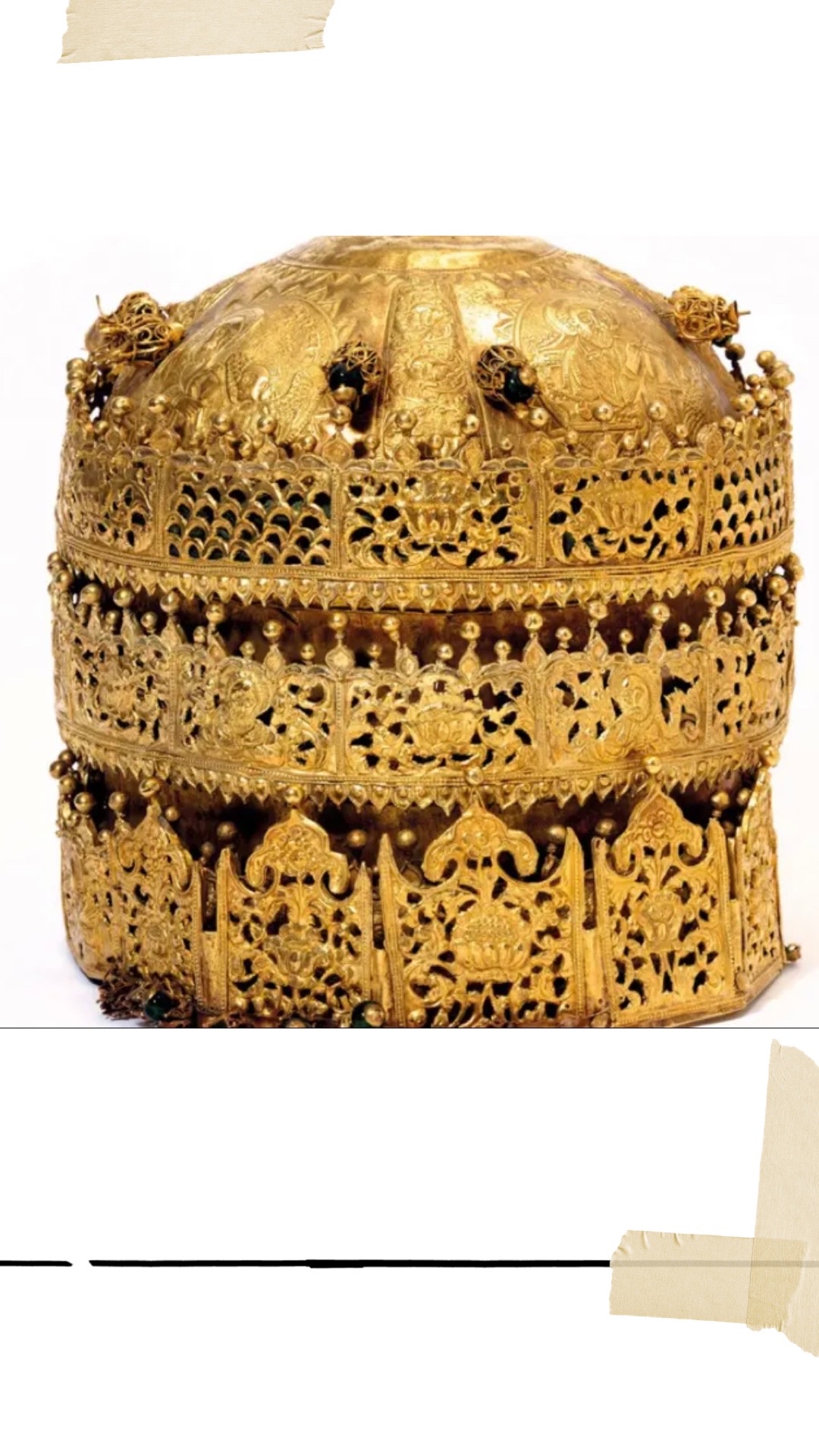
In a groundbreaking move, France has initiated efforts to return thousands of African artefacts housed in its museums. A report commissioned by President Emmanuel Macron recommended amendments to French law to facilitate the repatriation of art to Africa. This report, authored by Senegalese writer and economist Felwine Sarr and French historian Bénédicte Savoy, emphasizes the importance of restoring cultural heritage to enable a richer understanding of identities across the African continent.
The Ethical Imperative: Navigating Restitution
The question of how to address the legacy of colonial plunder has generated diverse perspectives. Advocates for restitution argue that returning these treasures not only acknowledges historical injustices but also fosters cultural healing and reconciliation. They highlight that many African nations are eager to reintegrate these artefacts into their heritage narratives, thus enriching local culture and tourism. However, opponents often cite concerns about the preservation and security of the items once returned.
Furthermore, the dialogue surrounding cultural artefact restitution is as much about restoring identity as it is about addressing past grievances. The ownership of these treasures encapsulates a larger struggle over cultural narratives, representation, and healing from historical traumas. As European museums increasingly engage in conversations surrounding return, they must navigate the complexities of ownership, care, and representation.
A Future of Collaboration
The path toward restitution of Africa’s looted treasures is fraught with challenges yet presents an opportunity for collaborative engagement. As African governments, cultural institutions, and communities voice their claims, the onus is on former colonial powers to respond with responsibility and sensitivity. The shifting landscape of global cultural discourse signals an evolving understanding of the roles that museums play in representing history — not only as custodians of art but also as facilitators of cultural dialogue and reparative justice.
In conclusion, the movement towards the restitution of Africa’s ‘looted treasures’ reflects a broader desire among nations to reclaim and redefine their cultural heritages. While the complexities may be manifold, the moral clarity of returning these artefacts lies in recognizing their intrinsic value to the cultures they represent and the histories they narrate. As restitution efforts gain momentum, they offer the promise of not only returning treasures but also healing the wounds left by a divisive colonial past. The story of Africa’s looted treasures is not just about art; it is a journey toward reclaiming identity, dignity, and shared humanity.