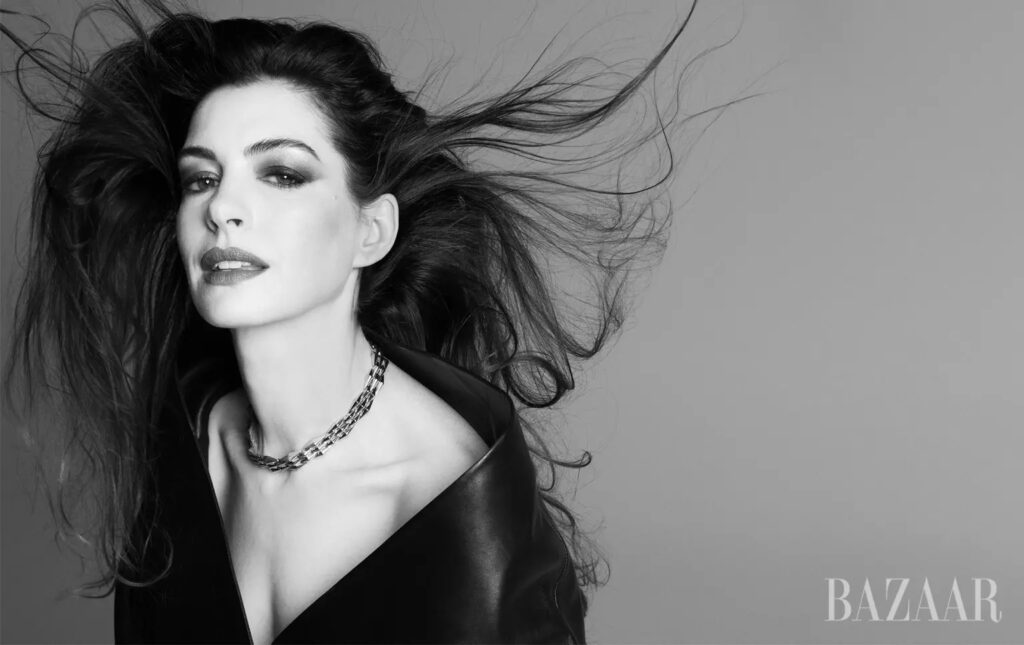
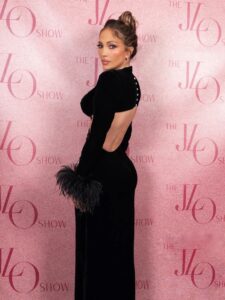
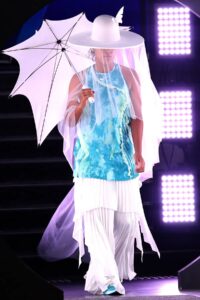
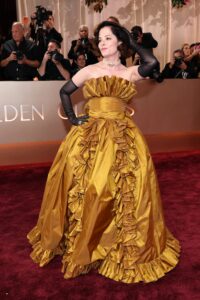
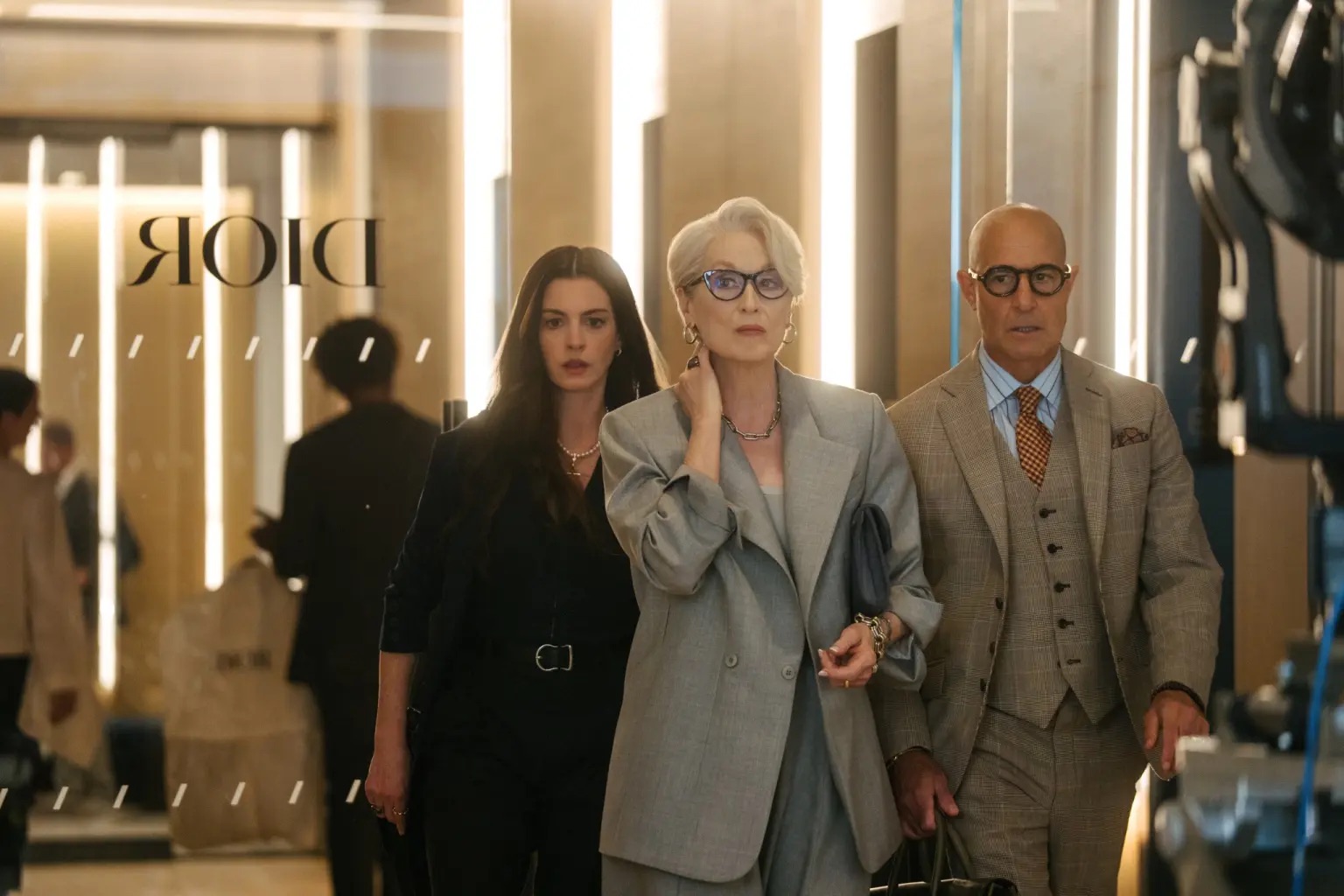
In her reflections on the expectations for the sequel, Hathaway asserted that the difference between the two films is noteworthy. “The first movie was such an unknown quantity,” she explained. “Fashion brands were initially hesitant to get on board and lend clothes.” In stark contrast, the sequel has drawn an enthusiastic response from designers, many of whom are eager to feature their work on a global stage once again. As such, the film promises to be a visual feast with characters adorned in luxurious garments and glittering jewels — a deliberate departure from the norm that will challenge traditional ideas of beauty.
Simultaneously, the production of “The Devil Wears Prada 2” has generated an unprecedented level of fan engagement. As Hathaway and Streep roamed the vibrant streets of New York City, they found themselves surrounded by enthusiastic onlookers, drawn by a familial connection to the beloved franchise. Streep recalled the sensation of “avid attention that engulfed” the production, remarking, “Annie kept her cool, but I was unnerved.” This attention underscores the film’s significant place in popular culture and highlights how closely the public is watching for evolutions not just in the plot, but also in the themes the movie represents.
Yet, with the glitz and glamour of Hollywood comes the inherent pressures of performance — both in front of the camera and beyond. Hathaway, ever the consummate professional, experienced a moment of vulnerability during filming when she accidentally took a tumble on set. The slip was compounded by the knowledge that cameras were eagerly capturing every moment of the production. “I was aware that I was falling, I was aware that I was being photographed, and I was also aware that, like, so many people on the crew, their hearts had just jumped up into their throat,” she confided. Her response was a testament to her resilience; she hurriedly rose to reassure the crew before acknowledging the incident to director David Frankel with a self-aware quip: “Oh no. I’m news.”
Hathaway’s candidness reflects a growing desire among leading women in Hollywood to reclaim their narratives, showcasing that strength and vulnerability can coexist. The moment highlighted the unrealistic expectations often placed upon actresses, particularly those in the limelight of high-fashion productions. Simultaneously, Hathaway’s quick recovery speaks to the strong community that often exists within these productions — an essential support system amid high-stakes demands.
But the expanded focus on more diverse and realistic body types on-screen is not merely a personal stance for Hathaway; it represents a broader shift within the industry that acknowledges the importance of representation. Research has shown that media portrayals can significantly influence self-esteem and body image among audiences. By actively participating in bringing healthier representations of beauty to the forefront of fashion, Hathaway and her colleagues are contributing to a critical movement that values authenticity over idealization.
Industry veterans and newcomers alike have noticed Hathaway’s influence. As discussions around body positivity permeate through the fashion and film circuits, there is a noticeable evolution in casting practices and modeling standards. This sentiment is echoed by many in the realm of fashion, where the traditional beauty standards that have long dominated the industry are increasingly scrutinized. Designers, recognizing this shift, are embracing the diverse representations audiences are increasingly demanding. The visibility of larger-bodied models and a range of ethnicities has grown, but much work is still required to dismantle the barriers that perpetuate unrealistic standards.
In addition, the conversations surrounding Hathaway’s activism align with the larger cultural movements advocating for body positivity and mental health awareness. For decades, the fashion industry has been both a dream and a nightmare for many, often exposing individuals to harsh judgments that can lead to serious repercussions regarding self-worth. The stigma surrounding mental health has also been a topic of conversation, with many feeling that the pressure to conform to societal ideals can lead to detrimental outcomes. Hathaway’s commitment to advocate for healthier norms can not only change how people view beauty but also how they feel about themselves.
In celebrating the release of “The Devil Wears Prada 2,” audiences can expect more than just a fashion extravaganza; they will witness a cultural commentary on the changing definitions of beauty and success in a modern, inclusive world. The film embodies a significant turning point where the old, skeletal norms are being challenged by the voices of a new generation. Hathaway and Streep’s roles illustrate an evolution of characters who have matured alongside their audience, embodying strength and resilience while embracing their individuality.
As the film nears its release date, the anticipation continues to grow, fueled not only by a love for the original but also by curiosity about what changes the sequel will bring to the table. Hathaway’s behind-the-scenes advocacy for body positivity sets a powerful precedent, aiming to change the narrative surrounding representation in fashion and film. In choosing to shine a light on these critical issues, the film has the potential to resonate with millions, stirring meaningful conversations about beauty, health, and the power of representation within the entertainment industry.
In retrospect, “The Devil Wears Prada 2” is more than just a sequel; it’s a reflection of how far society has come and how far it still needs to go in its pursuit of inclusivity and acceptance. With a talented cast led by Hathaway and Streep, the film is poised to inspire future generations that beauty comes in all shapes, sizes, and forms, and that true strength lies in authenticity and self-acceptance. It’s a call to action for an industry that has seen cyclical trends but often struggles to break free from systemic patterns. Through her efforts, Hathaway has not just become a character in a film; she is ensuring that the narrative itself becomes one of progress, compassion, and hope for a brighter, more inclusive future.