The Insecurity Behind the Glamour
Kutcher’s experience shines a light on a more profound issue: the insecurities that haunt even the most conventionally attractive individuals. Reflecting upon his time in the industry, he stated, “What I realized really quickly was that everybody had an insecurity.” This sentiment resonates with many in the public eye—behind the glossy appearances and red carpet moments lies a truth that many often ignore.
The pressure of maintaining an idealized body image can be overwhelming. Kutcher’s statement reflects an unsettling reality: if one looks in the mirror long enough, doubts and insecurities begin to surface. “Everybody. If you look in the mirror long enough, you’ll find something you don’t like, or that you think could be better, or that you think could be different.” This acknowledgment resonates deeply, challenges the glamourous narratives surrounding the modeling world and reinforces the notion that vulnerability is universal.
Career Implications and Misconceptions in Hollywood
Interestingly, Kutcher’s modeling experience also influenced his acting career, illustrating the complexities of being typecast in an industry obsessed with looks. He candidly admitted during a panel at the New York Comic Con last October that his appearance had both aided and hindered his acting opportunities. “There are roles that I’ve gotten because of the way I look and there are roles that I haven’t gotten because of the way I look. Sometimes it’s frustrating.”
His comments starkly highlight the dual-edged nature of physical appearance in Hollywood, where attractiveness can both open doors and close them, often fueling feelings of inadequacy and competition among actors. Kutcher’s experiences suggest that behind the facade of glamour is a constant battle for acceptance and relevance, complicating the journey to success in the industry. This reality also opens up conversations about the pervasive nature of body image issues, where even those atop the industry’s hierarchy are not immune to the pressures of societal expectations.
A New Chapter: Kutcher’s Future Endeavors
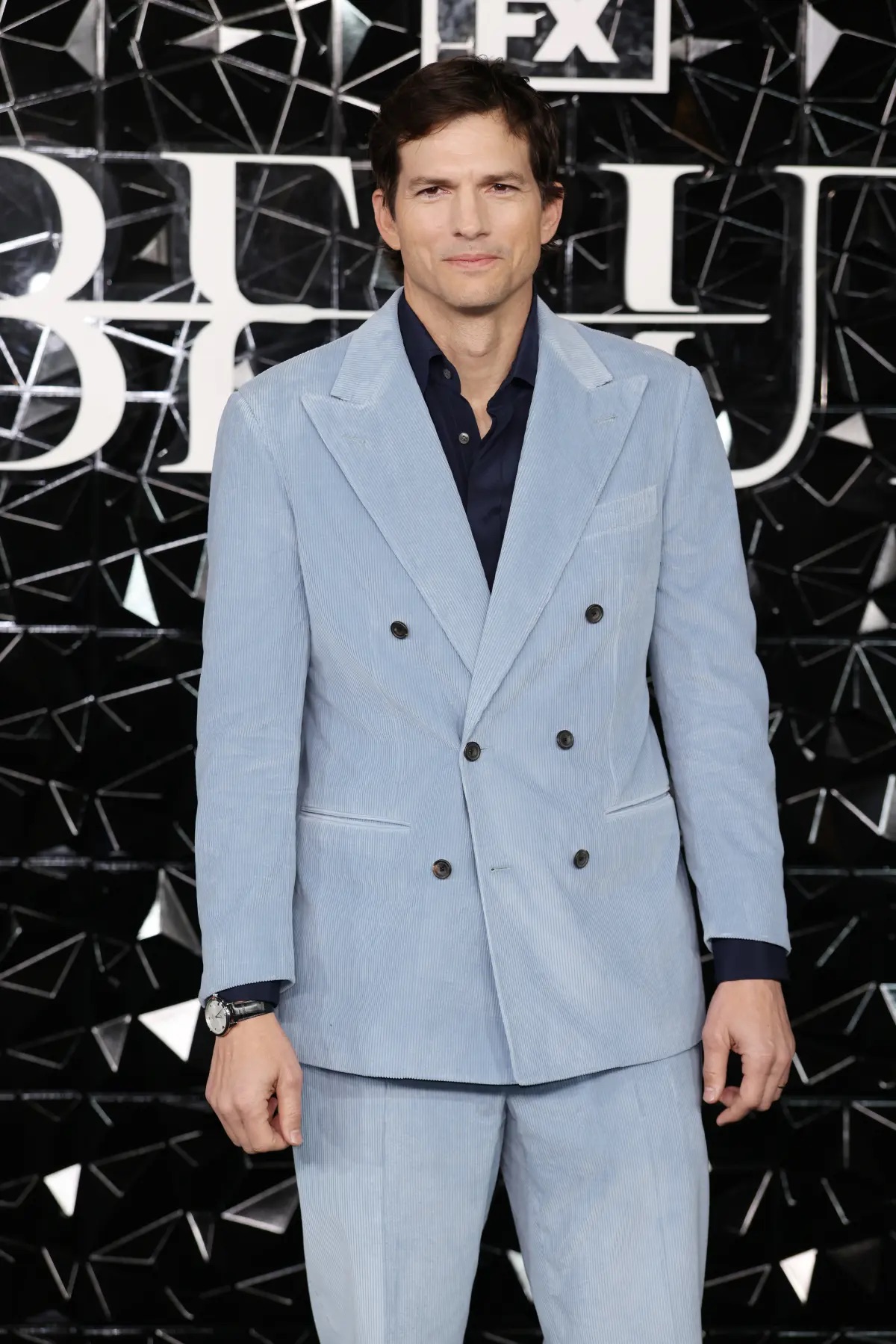
As Ashton Kutcher prepares to unveil his latest project, “The Beauty,” airing on FX on January 21, he is poised to explore themes of beauty and the lengths individuals go to achieve it. The series revolves around an STD that paradoxically enhances physical aesthetics but eventually proves to be lethal, raising profound questions about society’s fixation on physical perfection.
In discussing the show, Kutcher drew comparisons to his ex-wife Demi Moore’s performance in the celebrated body horror film “The Substance.” Referring to her Oscar-nominated role, he expressed admiration: “I mean, one, Demi’s performance in ‘The Substance’ — obviously she got extraordinary accolades. I’m so proud of her, she killed it.” This sentiment reinforces the idea that beauty is not solely about surface appeal but is intertwined with complexity, depth, and individual narratives.
“The Beauty” aims to probe the darker side of manicured façades and societal pressures, echoing previous discussions about self-worth intertwined with physical appearance. Kutcher, through this project, has the opportunity to contribute to an essential dialogue about the ramifications of chasing an unattainable ideal—a narrative driven by societal judgment rather than individual worth.
Conclusion: Embracing Authenticity in a Sea of Expectations
Ashton Kutcher’s revelations serve as a reminder of the complex interplay between beauty, insecurity, and identity within the modeling and entertainment industries. His candid reflections on being deemed “too fat” by one of fashion’s most celebrated designers underscore the frailty of human perception, challenging rigid standards that have historically dictated who is considered beautiful.
Through his journey, Kutcher inspires a narrative of resilience, encouraging those who grapple with insecurities to find strength in their uniqueness rather than conforming to external pressures. As society increasingly advocates for body positivity and self-acceptance, Kutcher embodies a growing movement that seeks to redefine beauty beyond mere appearances.
In a world that often prioritizes aesthetics over authenticity, Kutcher’s candid experiences ultimately urge a shift towards embracing individual narratives. As he continues his journey in film and television, his insights may enlighten others, inspiring a more inclusive and compassionate representation of beauty that celebrates diversity and fosters a healthier dialogue surrounding self-image.
In this ongoing exploration of beauty, Kutcher’s latest creative endeavors may empower future generations to challenge and reshape beauty norms, paving the way for an industry that values authenticity over perfection. As he transitions from the world of modeling to impactful storytelling, one can only hope that his experiences will resonate deeply, sparking a collective journey toward genuine self-acceptance and a more profound understanding of what it truly means to be beautiful.