Exploring the Speculations
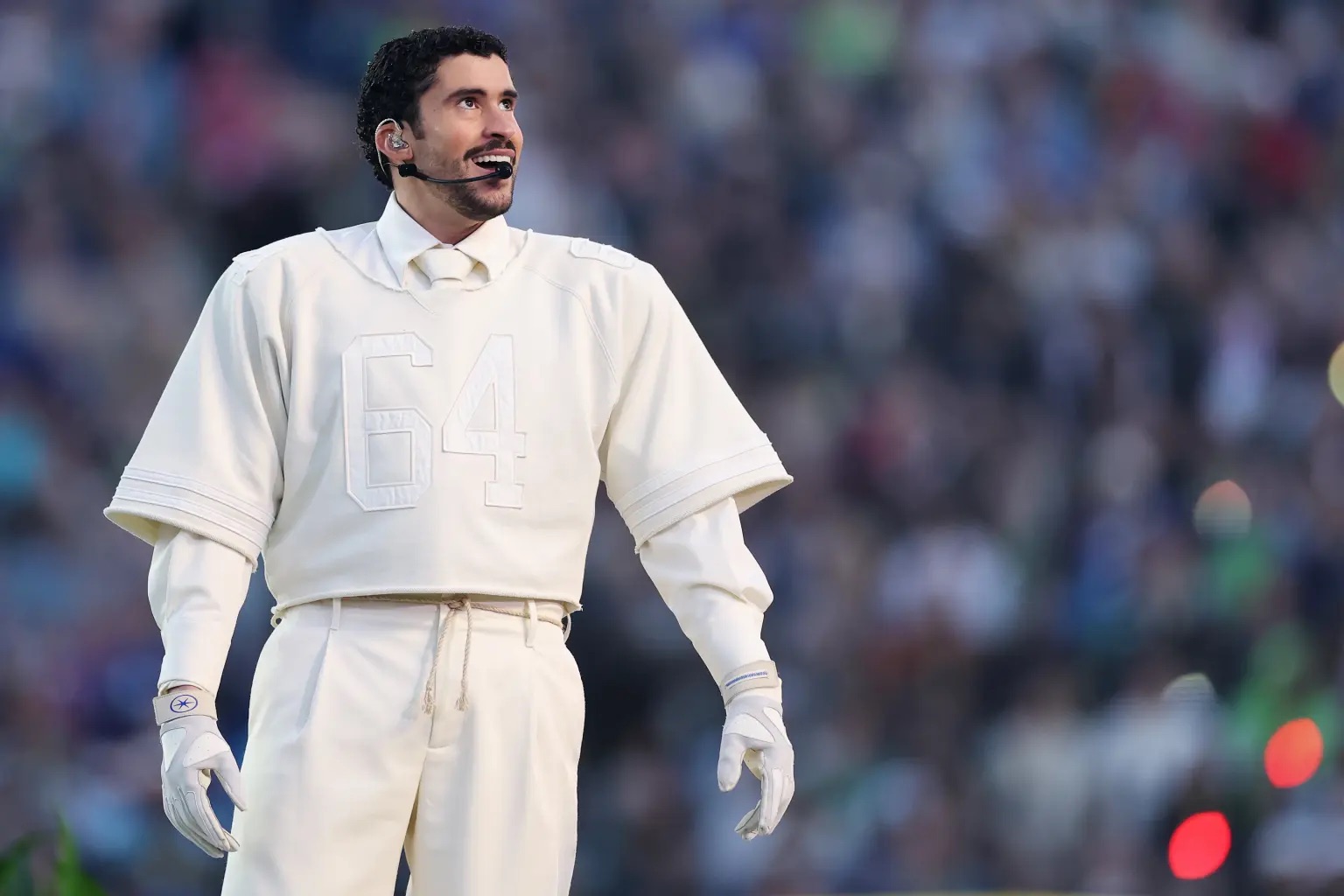
Prior to the revelation from McCarthy, fans presented various theories about the significance of the number 64. Speculations ran wild, attributing meanings that ranged from his mother’s birth year, 1964, to the erroneous death toll from Hurricane Maria in 2017, which claimed thousands of lives and devastated Puerto Rico. Others pointed to possible connections with Bad Bunny’s previous Grammy achievements, including the historic recognition of his album, “Un Verano Sin Ti,” which marked a milestone in Latin music.
These interpretations underscore the complexity of Bad Bunny’s identity as an artist representing Puerto Rico on a global stage. The passionate discourse among fans reflects a desire to connect their interpretation of his artistry to broader historical narratives and personal stories. Yet, with the true meaning rooted in familial love and respect, the artist emerged not only as a musical icon but also as an embodiment of personal history.
A Testament to Legacy
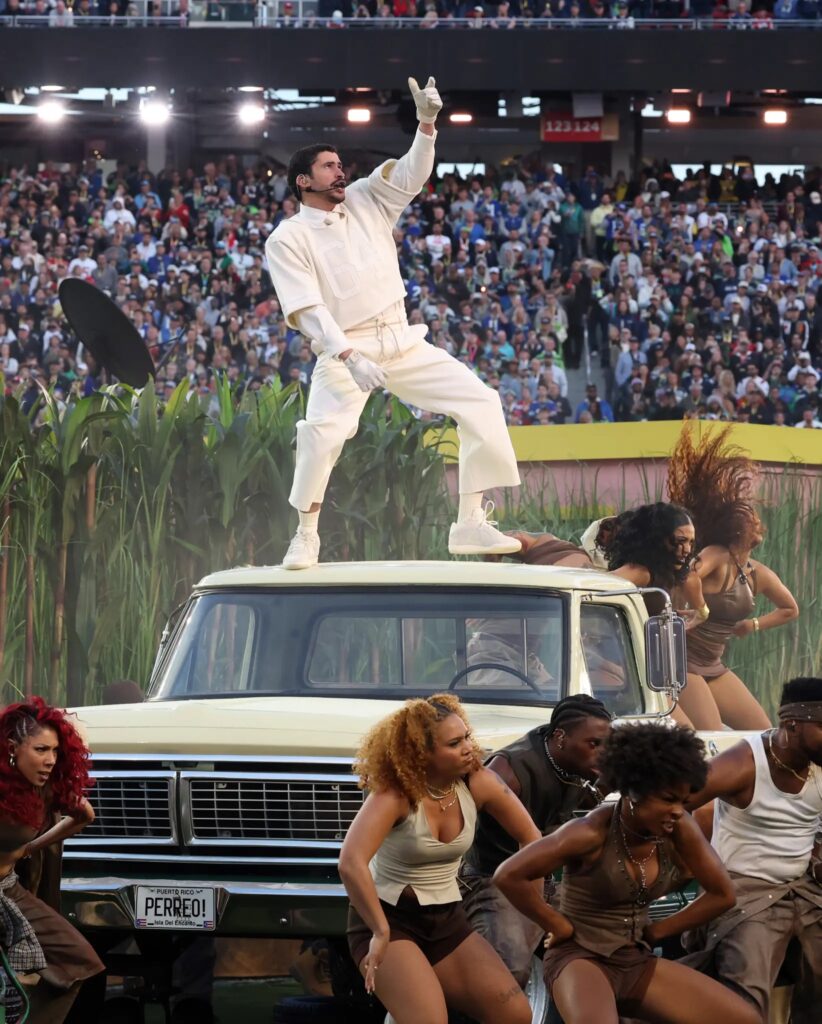
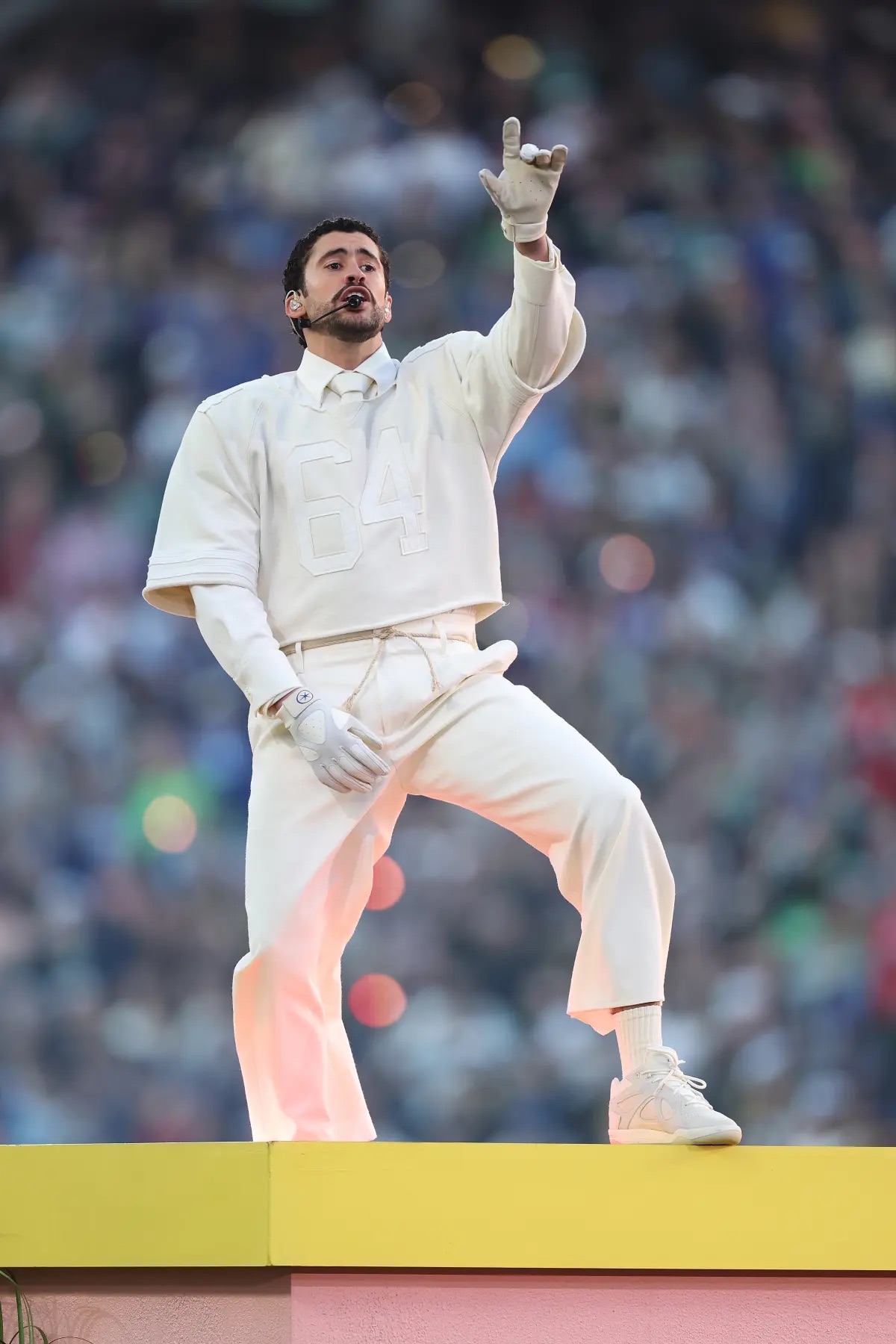
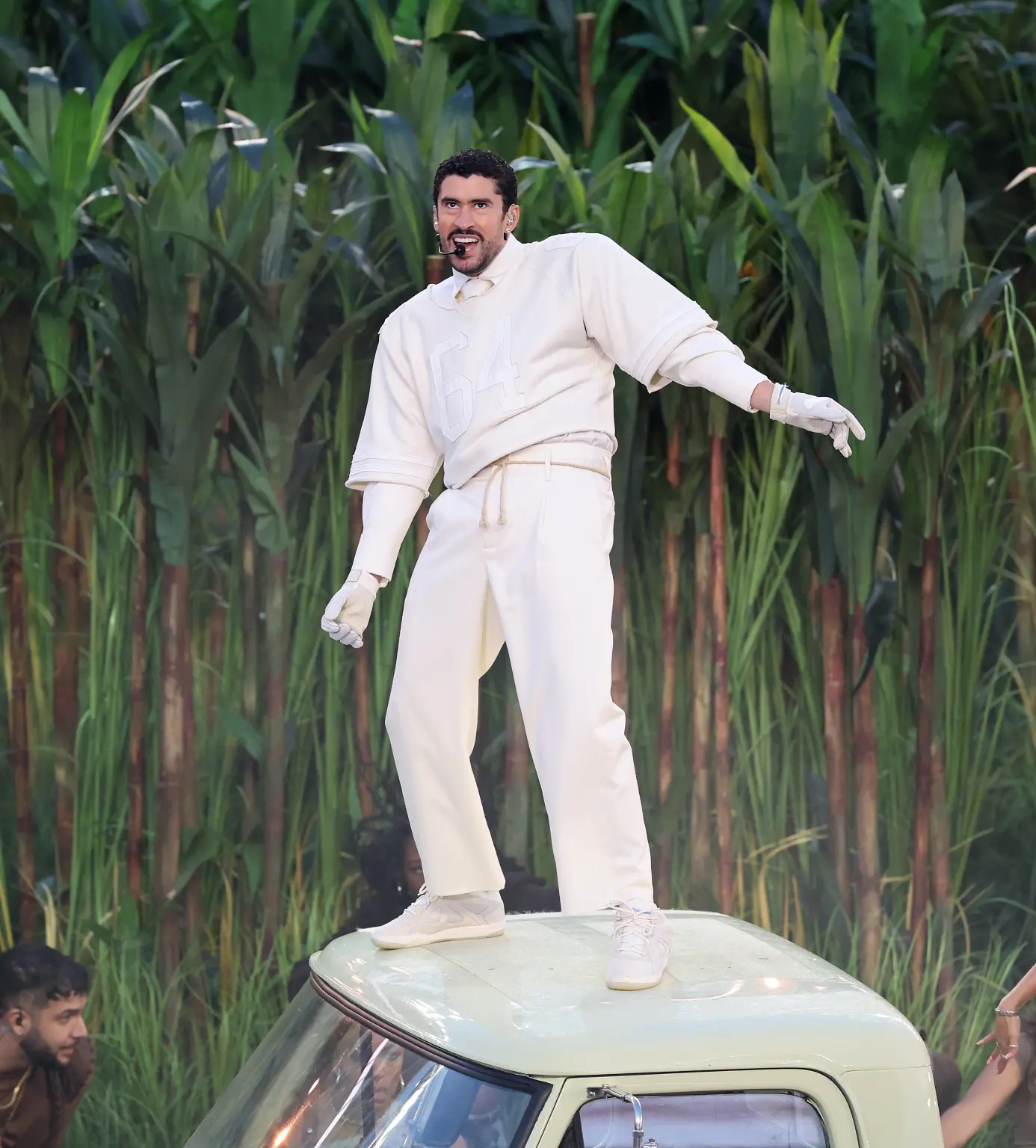
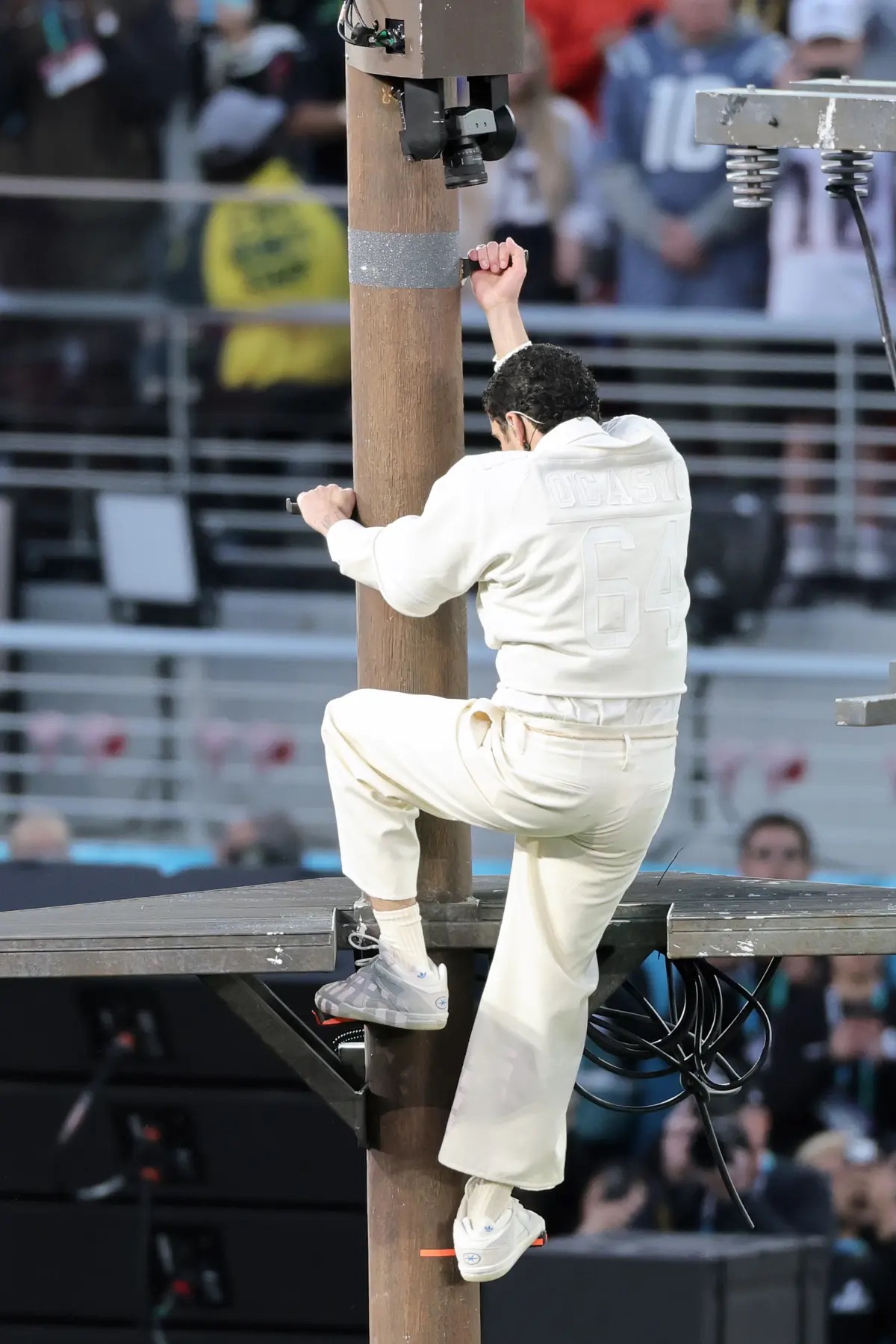
The 64 jersey validated a theme prevalent in Bad Bunny’s work: the importance of acknowledging and celebrating family ties. By bringing his uncle’s legacy to the forefront of one of the most-watched performances in the world, he reinforced the idea that behind every successful figure in the entertainment industry, there are often unsung heroes who contributed to their journey.
This homage extends beyond a simple act of tribute; it serves as a reminder of the deep familial connections that drive and inspire creativity. For Bad Bunny, wearing his uncle’s number on such a significant platform can be seen as a way to honor his family heritage while also motivating the next generation to cherish their own roots.
Emotional Highlights
Amidst the electrifying performance, a particularly emotional moment occurred when Bad Bunny displayed his recently won Grammy award. The accolade marked a groundbreaking achievement as it recognized the first-ever Spanish-language album—an honor that not only celebrated his artistry but also spotlighted Latin music’s growing influence in the broader musical landscape.
As he held the trophy aloft, it wasn’t just a symbol of success but also a bridge connecting his past, present, and future. The integration of personal milestones within a lavish spectacle served as a testament to the fact that Bad Bunny’s artistry is deeply intertwined with his cultural identity and familial bonds.
Cultural Reflection and Representation
The Super Bowl stage has long been a platform for artists to showcase their talents, but in recent years, it has also transformed into a space for cultural representation. Bad Bunny’s performance exemplified this shift. While he entertained millions with his catchy beats and energetic performances, he simultaneously elevated the visibility of Latin culture in mainstream media.
Performances like his challenge the narrative that has often sidelined Latin artists, proving that international appeal can coexist with deep-rooted cultural expression. In a moment where he donned a jersey representing personal family history, he invited audiences to reflect on the diverse stories that exist within a single performance.
Moving Forward with 64
As discussions about the significance of the number 64 wane, its legacy may very well take on new meanings for Bad Bunny. While he has explicitly stated the tribute to his uncle, the number may continue to represent a myriad of personal and cultural elements as he progresses in his career. It has evolved from a mere identifier into an emblem of resilience and respect—qualities that define not only his artistry but also his character.
Moving forward, Bad Bunny’s connection to the number may inspire other artists to explore their familial backgrounds and cultural identities, ultimately enriching the conversation around representation in contemporary music. The impact of this singular moment transcends the performance itself, serving as a catalyst for broader discussions around identity, heritage, and the stories that shape artists and their work.
Conclusion
Bad Bunny’s halftime performance at Super Bowl 2026 was more than just a display of musical talent; it was a narrative woven with personal threads that reflect the complexities of contemporary identity. Through wearing the number 64, he not only paid tribute to his uncle but also opened a window into the intricate relationships that ground artists as they rise to stardom. As the world continues to engage with his music and story, the significance of this moment will undoubtedly resonate within the hearts of fans and families alike, serving as a reminder of the power of legacy and the stories that unite us all.