The Role of Art and Craftsmanship
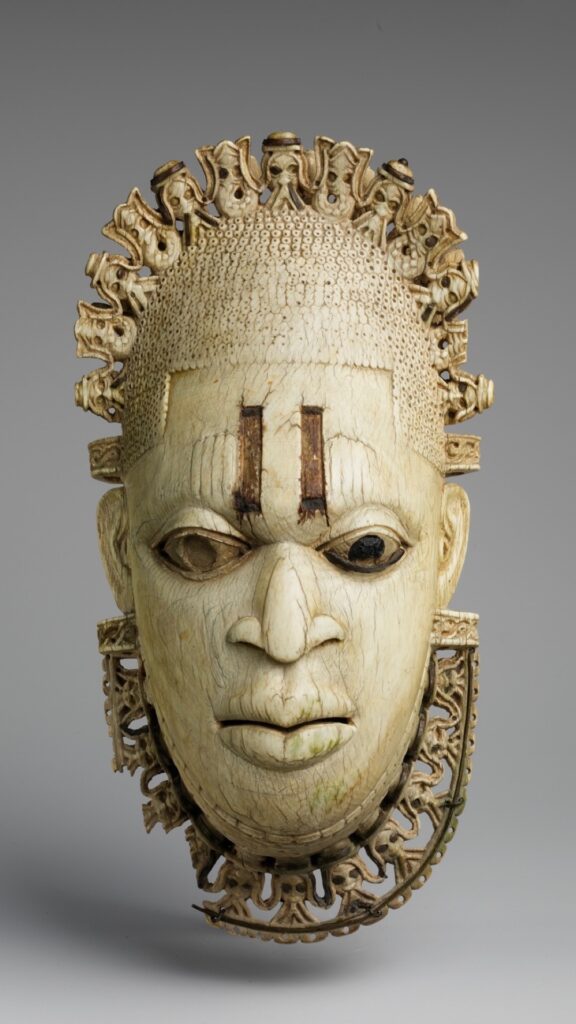
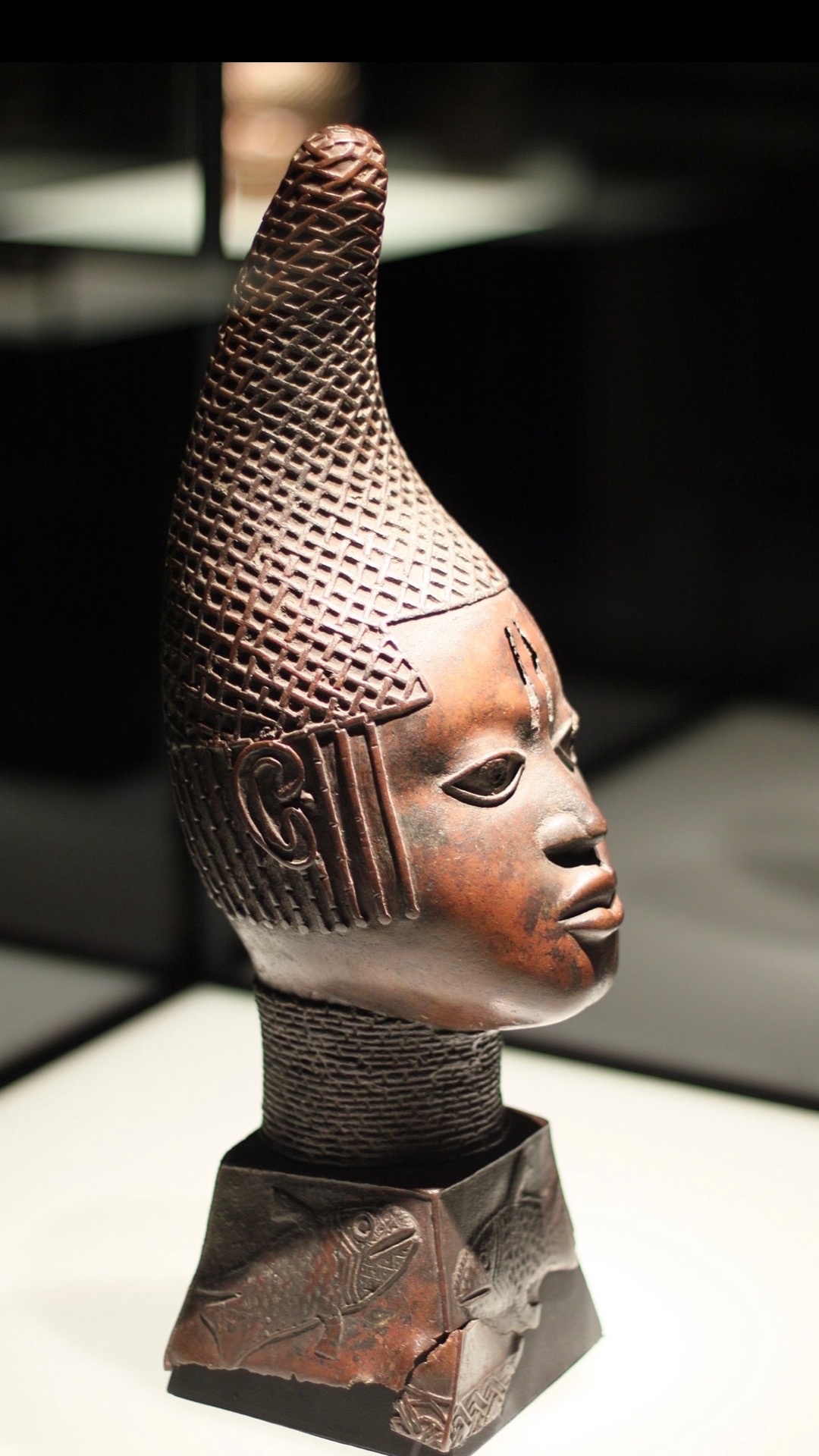
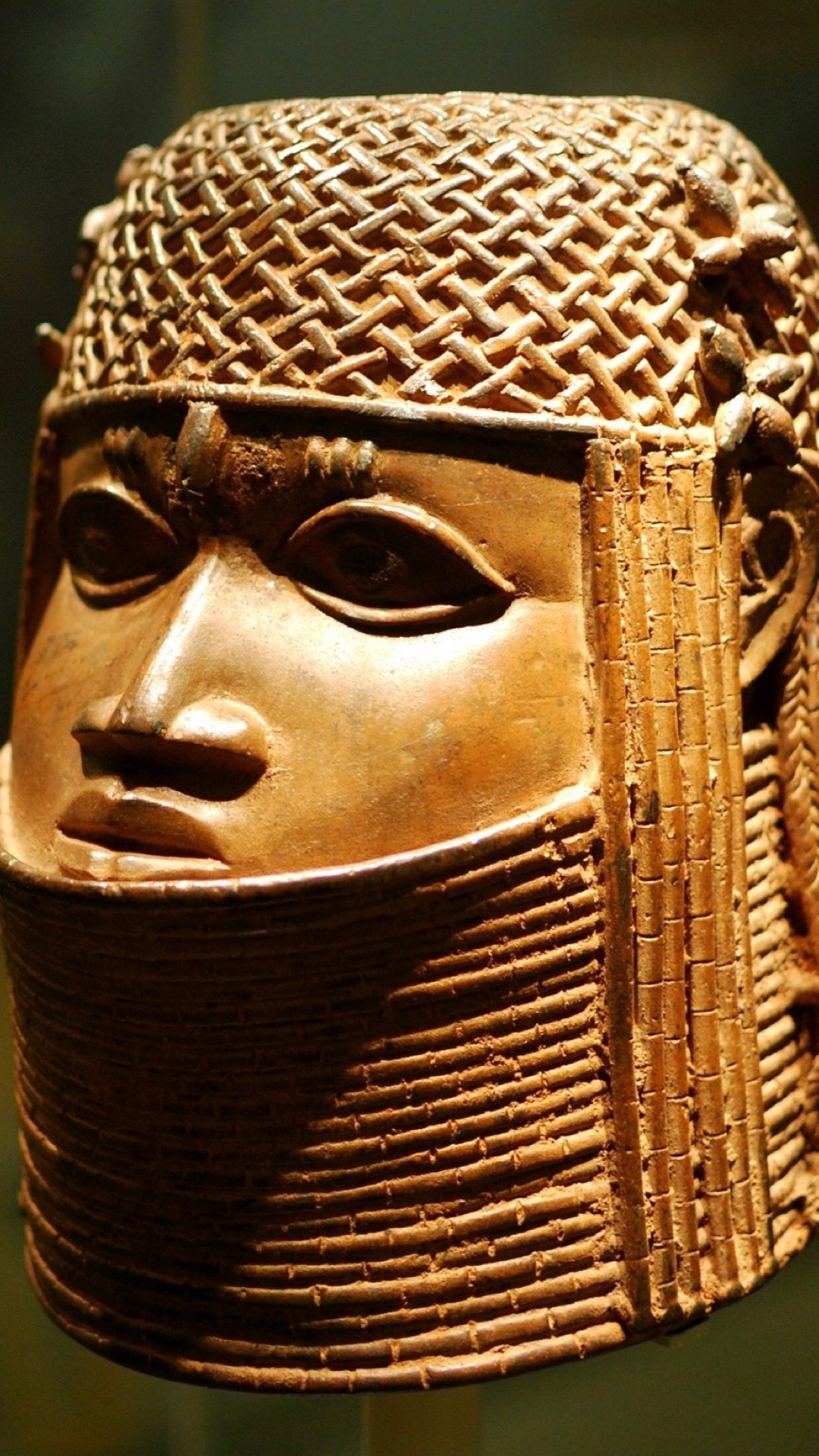
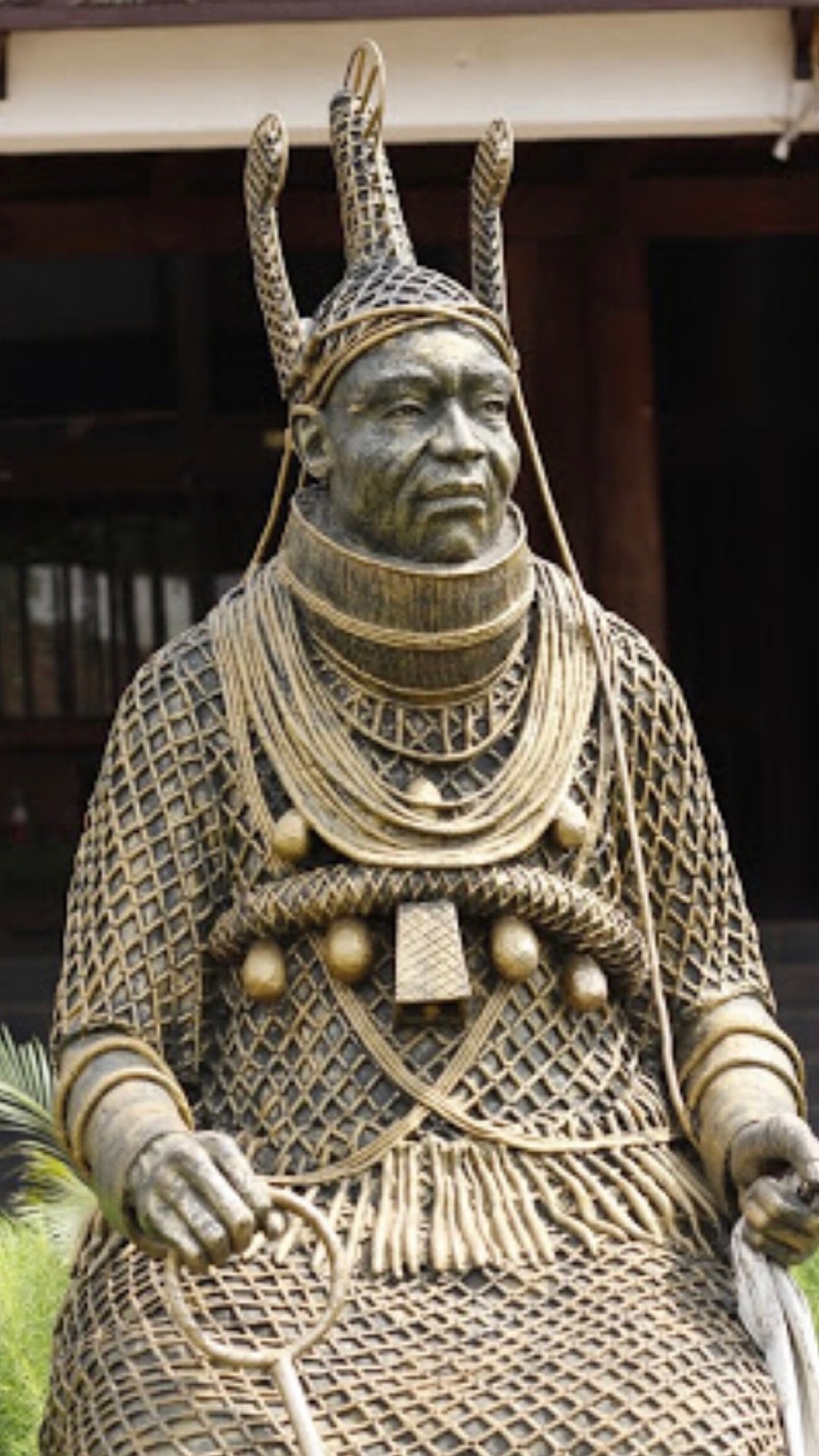
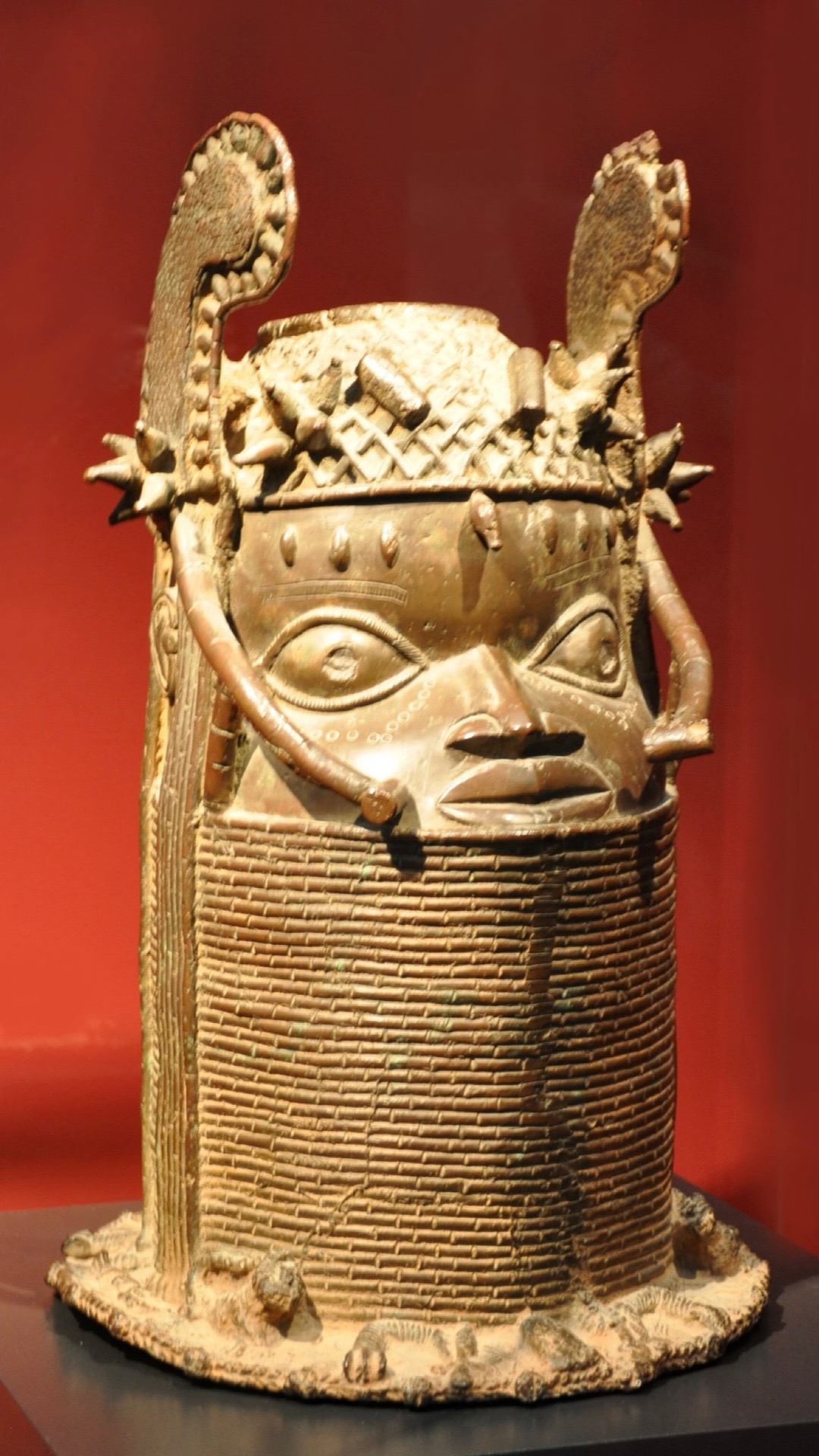
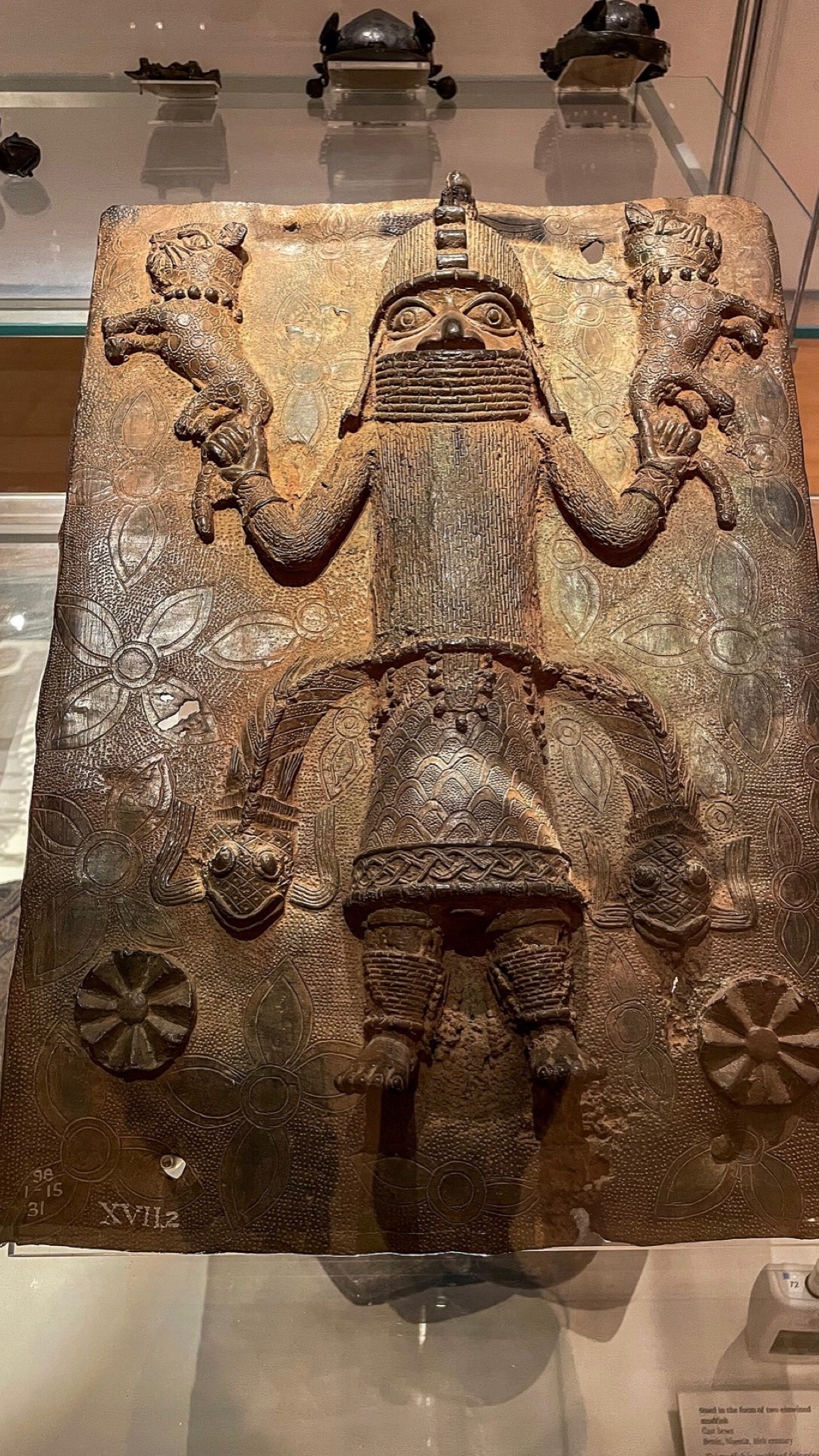
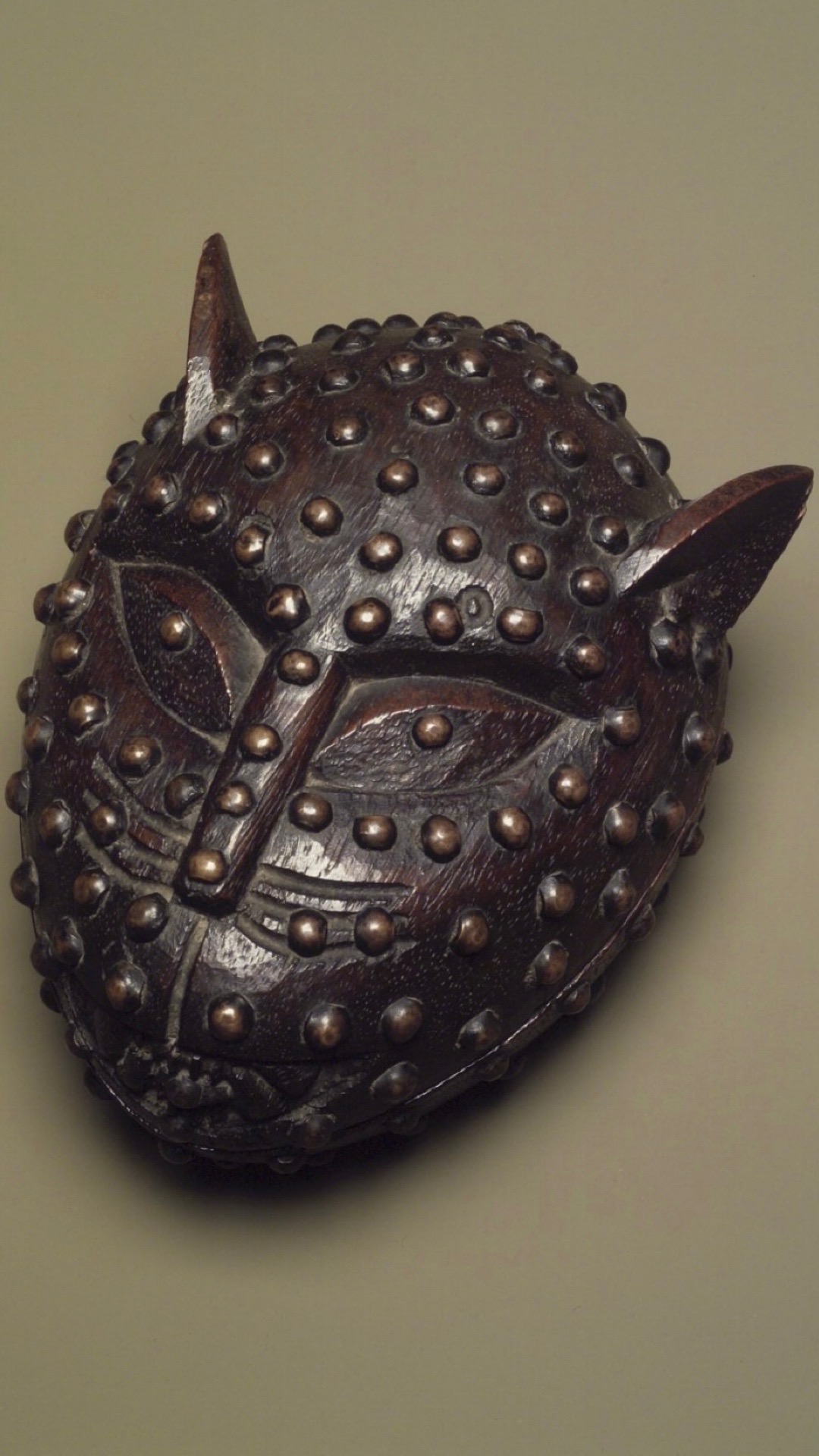
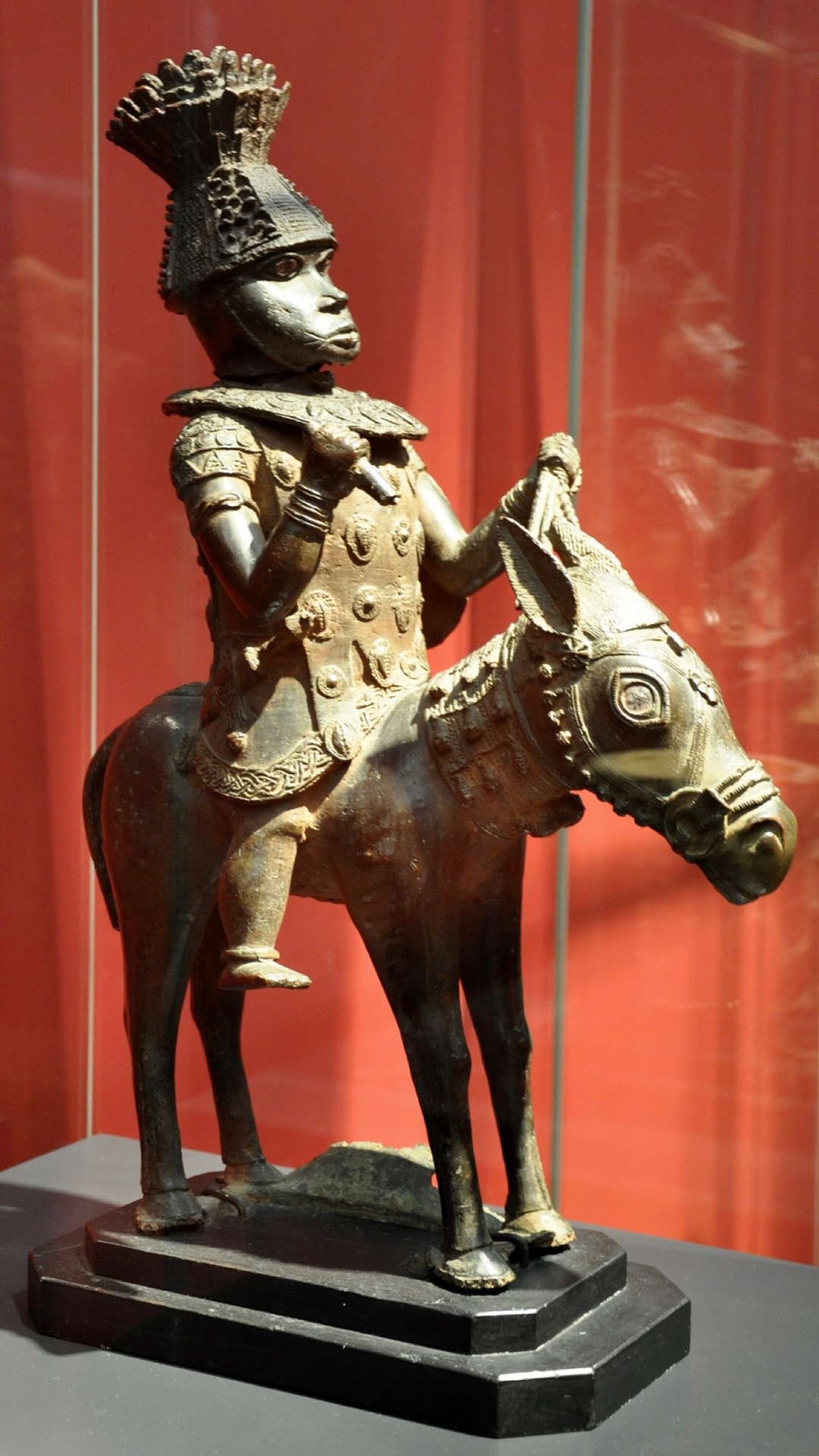
The royal arts of Benin serve a dual purpose: to portray the divinity of the Oba and to memorialize key historical events. Such artworks are not only significant for their artistry but are also imbued with deep cultural meanings. They connect the realm of the living with that of the ancestors and the supernatural, establishing a continuity that is vital for the societal fabric of this culture.
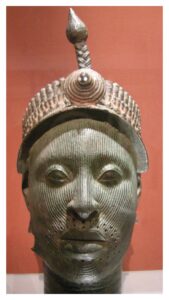
Benin artisans distinguished themselves through specialized crafts, with brass casters (igun eronmwon) recognized as the elite within the artistic community. This guild held priority among craftsmen, followed by blacksmiths (igun ematon) and ivory and wood carvers (igbesanwan). The intricate processes of brass casting are particularly noteworthy. The development of this craft, while debated, suggests that the tradition may have roots tracing back to influences from the Ancient Ife Kingdom.
Brass casting in Benin involved the lost-wax method, a detailed procedure where a wax model is crafted and encased in clay. Heating the clay mold melts the wax, allowing molten metal to fill the void. This meticulous process embodies the duality of the earthly and divine, echoing the Oba’s sovereignty over both realms.
The Oba’s Spiritual Connection
Art in Benin is not merely ornamental but serves deeply religious and historical purposes. The materials chosen for creation—brass, ivory, and coral—carry sacred symbols within themselves, reflecting the wealth of the Oba and the investment of time and skill from the artisans. The royal arts delineate the interactions between the Oba and the divine, commemorating his ancestors and reinforcing his connection to the gods.
Furthermore, through royal patronage, art has been utilized as a tool to cultivate a sense of identity and continuity. Each ruler interpreted historical narratives to align with their reign’s aspirations, ensuring their legacy would endure. The continuity of art in this context cannot be overstated; it forms a vital narrative thread connecting the past to the present.
The Western Encounter
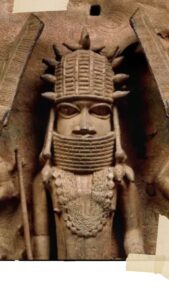
Although the artistry of Benin has roots dating back to the 13th century, it only gained widespread attention following the infamous Benin Expedition in 1897. This military incursion led to the pillaging of the kingdom’s treasures, drastically interrupting the cultural and artistic practices of the time. As the British seized countless bronze sculptures and artifacts, the significance of this act went beyond the material loss; it represented a broader cultural erasure.
The expropriation of Benin art has since sparked global discussions surrounding the restitution of cultural artifacts. Many institutions housing these works today face ethical dilemmas as calls grow for the repatriation of stolen art. This growing recognition of the historical and cultural value of these works has begun to reshape international conversations surrounding African art and its rightful place in the narrative of global culture.
Resurgence of Benin Art
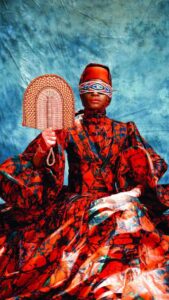
In recent years, there has been a remarkable resurgence of interest in the art of Benin, both in Nigeria and around the world. The royal Benin arts have inspired modern artists, who have found ways to incorporate traditional motifs into contemporary practices. Local governments and cultural organizations are striving to reclaim and reconstruct the narratives that define Benin’s past, allowing new generations to connect with their heritage.
Additionally, educational initiatives aimed at raising awareness about the importance of preserving Benin’s artistic legacy are gaining traction. By fostering cooperative relationships between Nigerian institutions and international partners, there is hope for the continuation of Benin’s rich artistic traditions.
The establishment of museums dedicated to Benin art, both locally and abroad, provides platforms for showcasing this heritage. These institutions play a crucial role in educating the public about the complexities of Benin’s history and artistry, promoting a more nuanced understanding of its cultural significance.
Conclusion
The Kingdom of Benin is not only emblematic of a rich historical legacy but also serves as a vivid reminder of the power of culture, art, and storytelling in shaping a community’s identity. Its history, largely conveyed through oral traditions, speaks to the resilience of its people and the artistry that flourished within its society. As the world gradually awakens to the importance of these cultural narratives, the legacy of Benin continues to inspire, inviting a renewed appreciation for its significance in the broader tapestry of human history.
Through the lens of art, the story of Benin becomes a multifaceted tapestry woven with threads of the past, present, and future, solidifying its rightful place as a beacon of heritage and creativity.