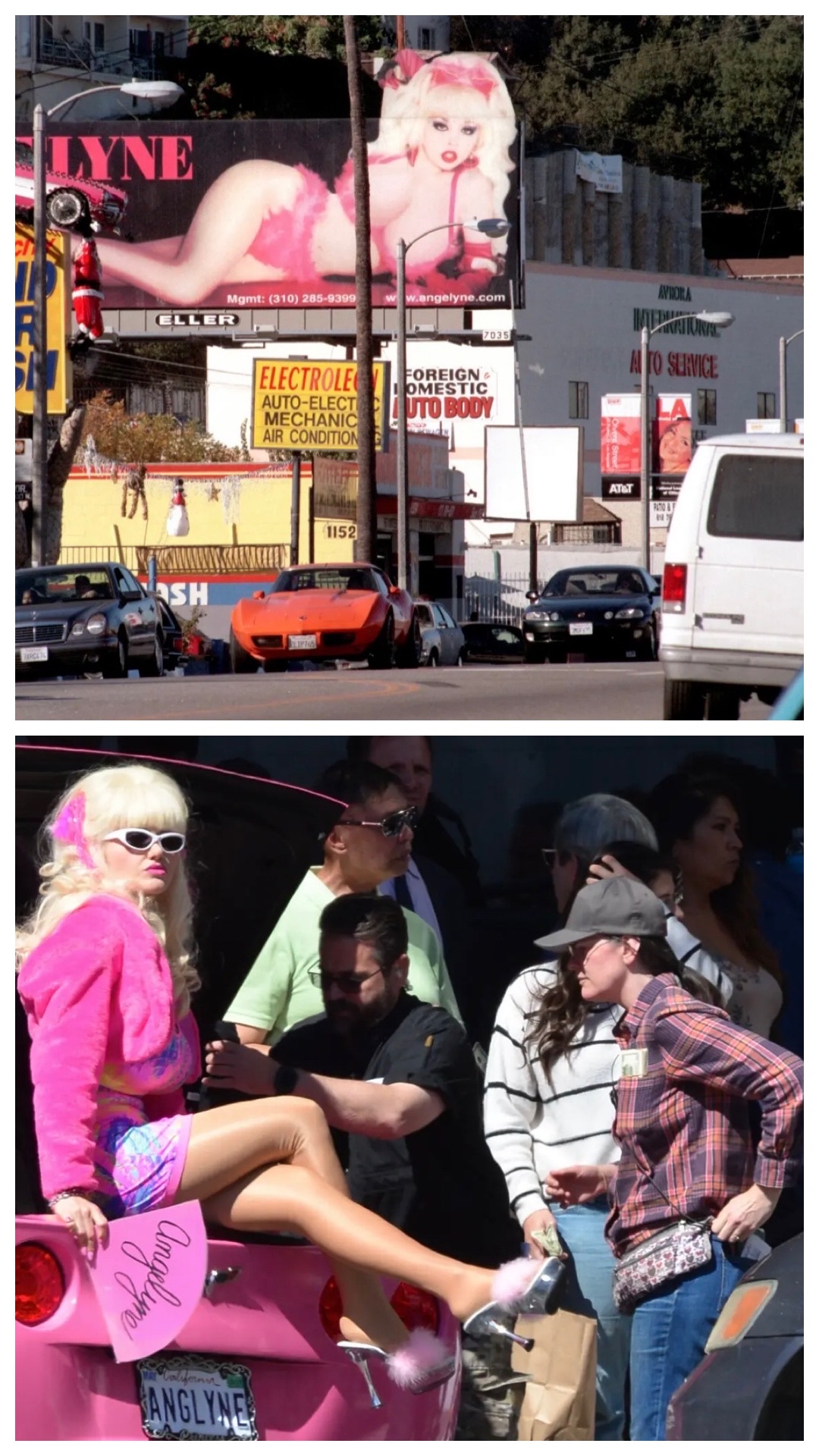
Angelyne’s Responses
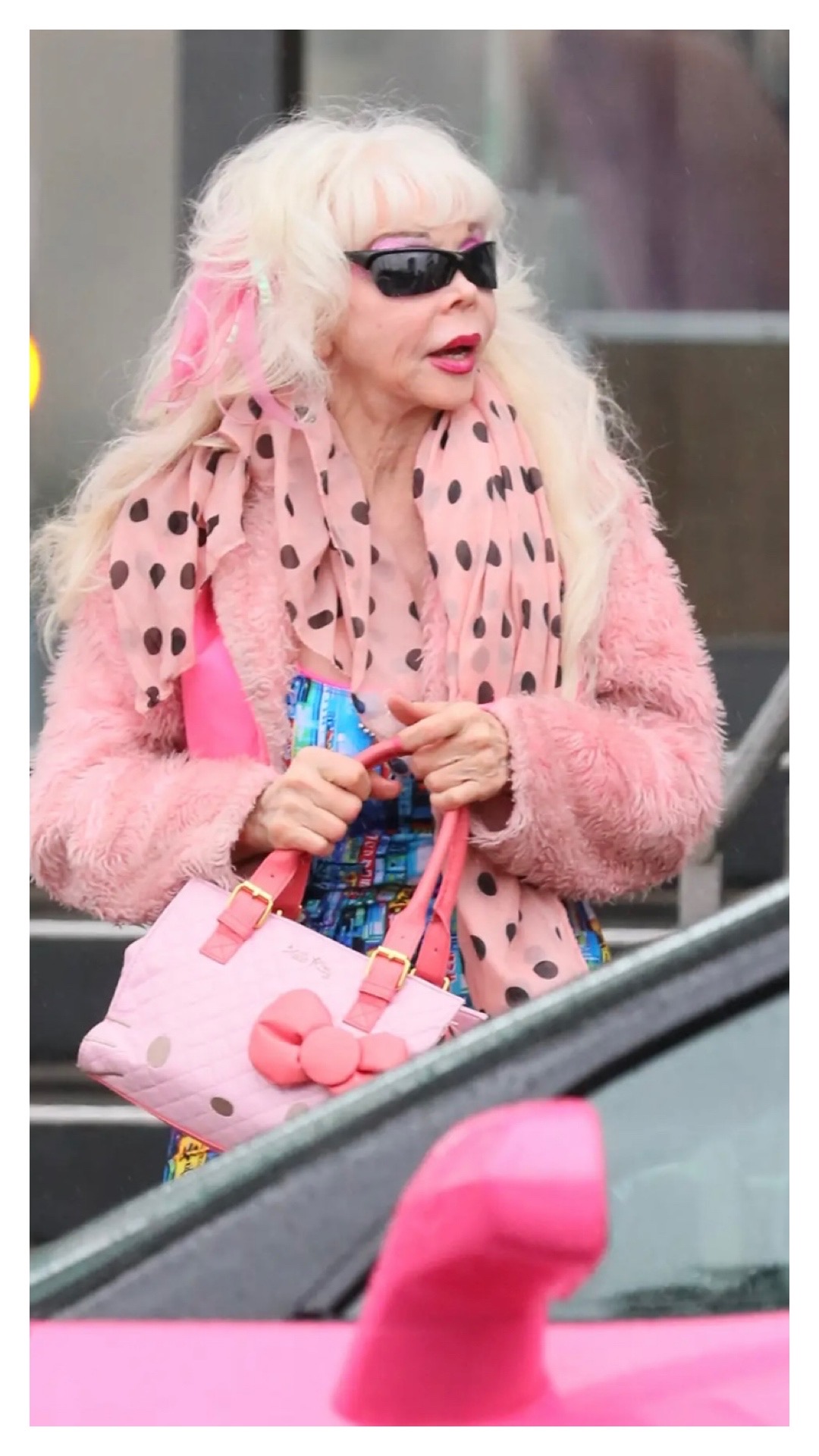
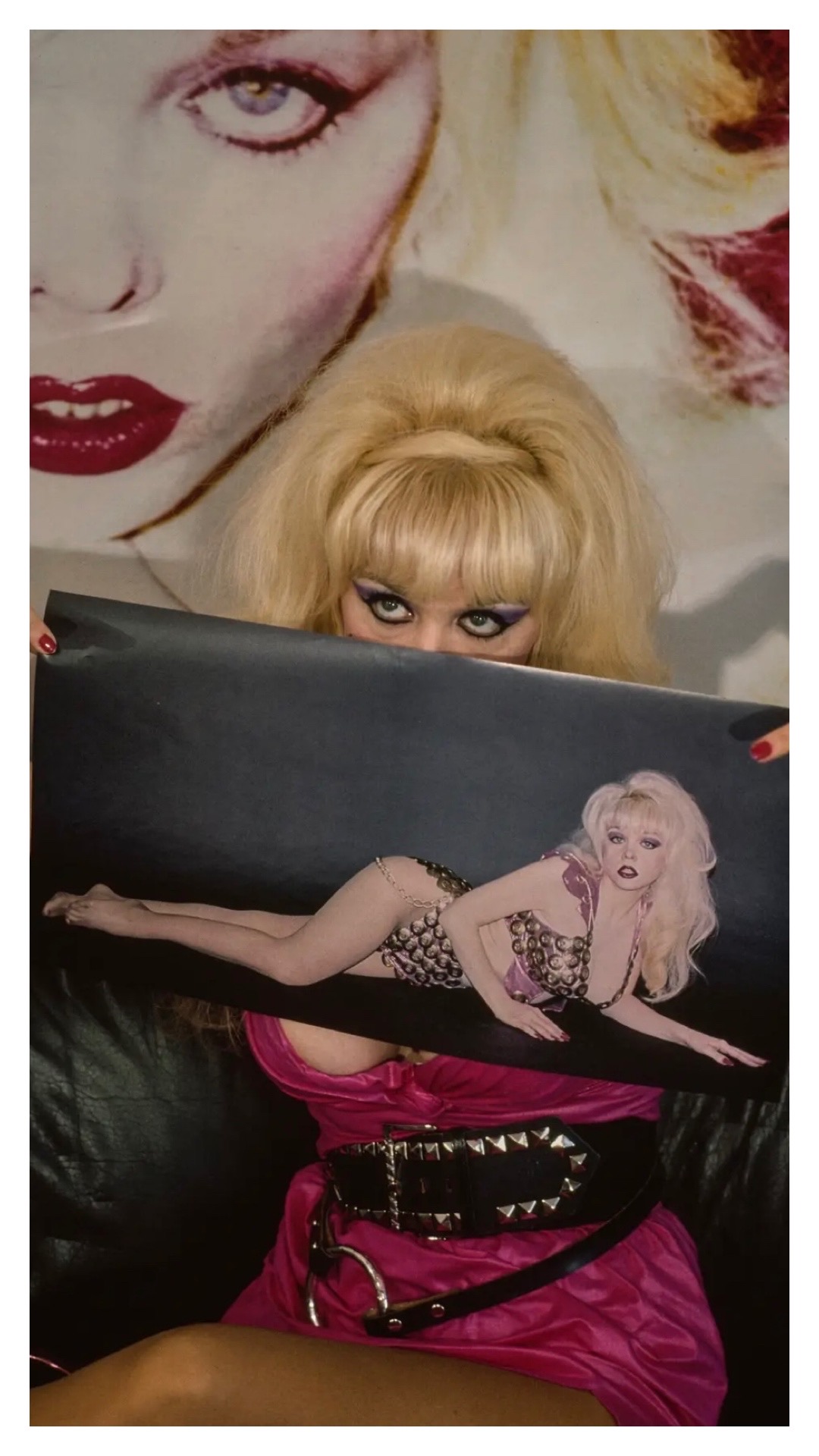
Despite the rising tides of protest against Jacobs, Angelyne has maintained her characteristic enigmatic stance. The illustrious star has not directly commented on the controversy surrounding Jacobs’ totes but instead chose to amplify her fans’ reactions through her social media platforms. Historically, Angelyne has been vocal about her image and brand, expressing her desire to protect her artistic identity.
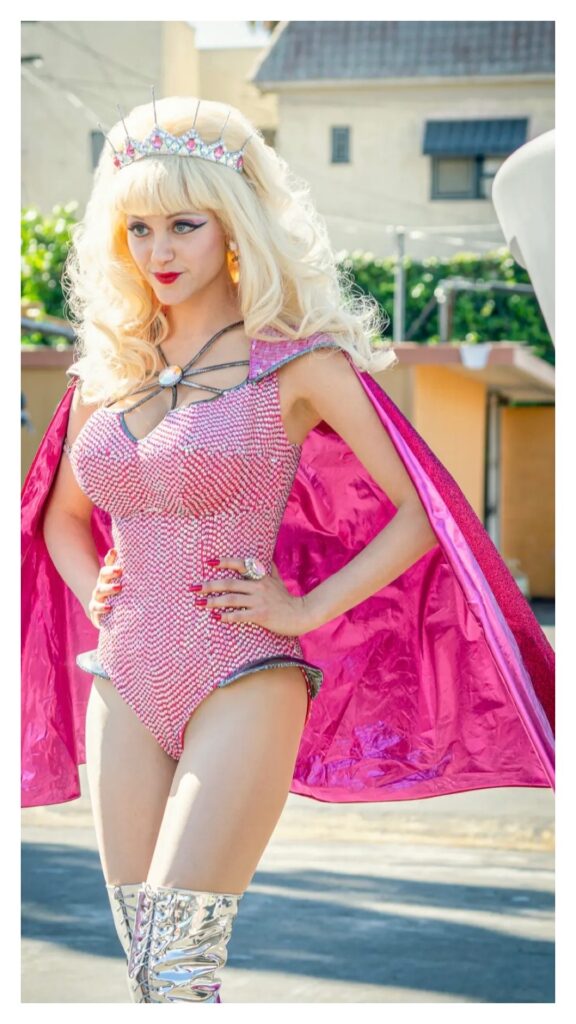
In a previous interview with Inside Edition, Angelyne candidly shared her thoughts about being depicted in the recent Peacock series “Angelyne,” which chronicles her rise to fame. “It doesn’t do me justice. Would you be flattered if someone played you and misrepresented you?” she stated. Her refusal to watch the series speaks volumes about her desire for authenticity and integrity in a world where images and narratives can be easily distorted.
In another post, Angelyne conveyed her feelings on imitation, saying, “It is my true feeling and opinion that even though people can dress up like me—and that’s wonderful—but I think they should never, ever, ever pretend to be Angelyne.” This declaration emphasizes her belief in the importance of originality and genuine representation, sentiments that resonate deeply within the ongoing debate over Jacobs’ designs.
A Missed Connection?
Angelyne’s iconic presence has proliferated through pop culture, serving as a symbol of self-promotion and the American dream, yet the designer’s interpretation raises questions about artistic homage versus appropriation. Many view Jacobs as a purveyor of fine fashion who should be able to draw upon any influence, but fans of Angelyne argue that doing so without acknowledgment diminishes the original source’s impact.
Attempts to connect with Angelyne for her side of the story yielded no direct communication. A phone call resulted in a male voice message instructing callers to either leave a “magnificent message” or fax their thoughts. Given her colorful history, one can only imagine the type of response that awaits those who strive to communicate with the billboard queen of LA.
As the California Post gears up for its launch on January 26, Angelyne’s presence remains strong in the public consciousness. Her colorful pink Corvettes and sensational billboards characterized an era in California where self-promotion was not just an art form but a state of mind.
The Broader Context of Artistic Appropriation
The debate surrounding Jacobs and Angelyne is emblematic of a much larger conversation about artistic appropriation in contemporary culture. The intersection of fashion, fine art, and street culture invites scrutiny over who gets to claim inspiration and how these influences are represented. While some may view Jacobs’ homage as a tribute to Angelyne’s larger-than-life persona, others see it as a blatant disregard for the artist behind the iconography.
In recent years, discussions around the rights of artists and how their work is utilized in commercial contexts have gained momentum. Movements advocating for fair treatment and compensation for artists have emerged, seeking to ensure that creators receive recognition and reward for their contributions to popular culture. The backlash against Jacobs is more than a call for acknowledgment; it serves as a reminder that the legacies of individual artists deserve protection and respect in the face of commercialization.
Conclusion: A Call for Collaboration
As the dust settles from the unveiling of Jacobs’ new tote collection, it remains to be seen how this controversy will affect both his brand and Angelyne’s legacy. The opportunity for collaboration between influential figures like Jacobs and Angelyne could pave the way for more innovative and respectful interpretations of artistic inspiration.
In a world increasingly driven by celebrity culture and digital engagement, a partnership could not only benefit both parties but also serve as a lesson in the power of collaboration over conflict. As the fashion industry continues to thrive in a culture of appropriation and homage, creating a dialogue between artists can help cultivate an environment where creativity is celebrated, and originality is honored.
Fans of Angelyne have spoken loud and clear. The question remains whether Jacobs will heed their calls for respect and recognition in a complex, ever-evolving landscape of artistic influence. As we await further developments, the story of Angelyne, her billboards, and the cultural tapestry they contribute to continues to unfold, highlighting the importance of discourse in the realm of fashion and beyond.