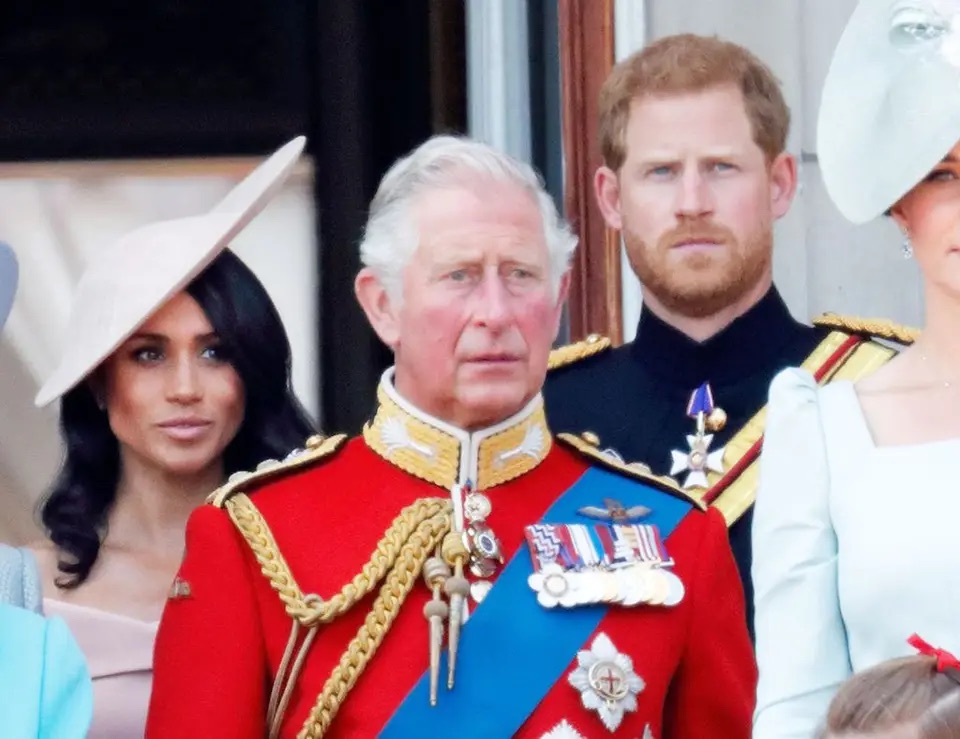
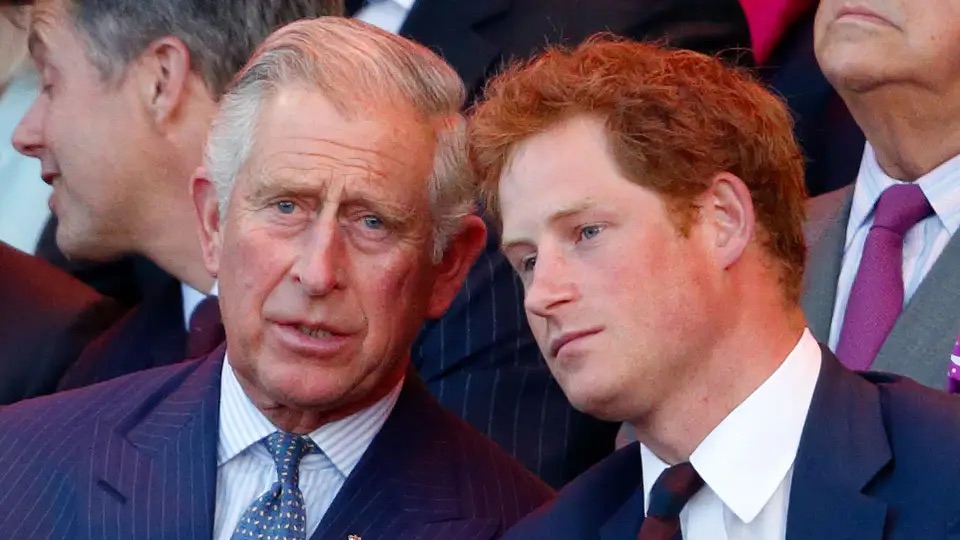
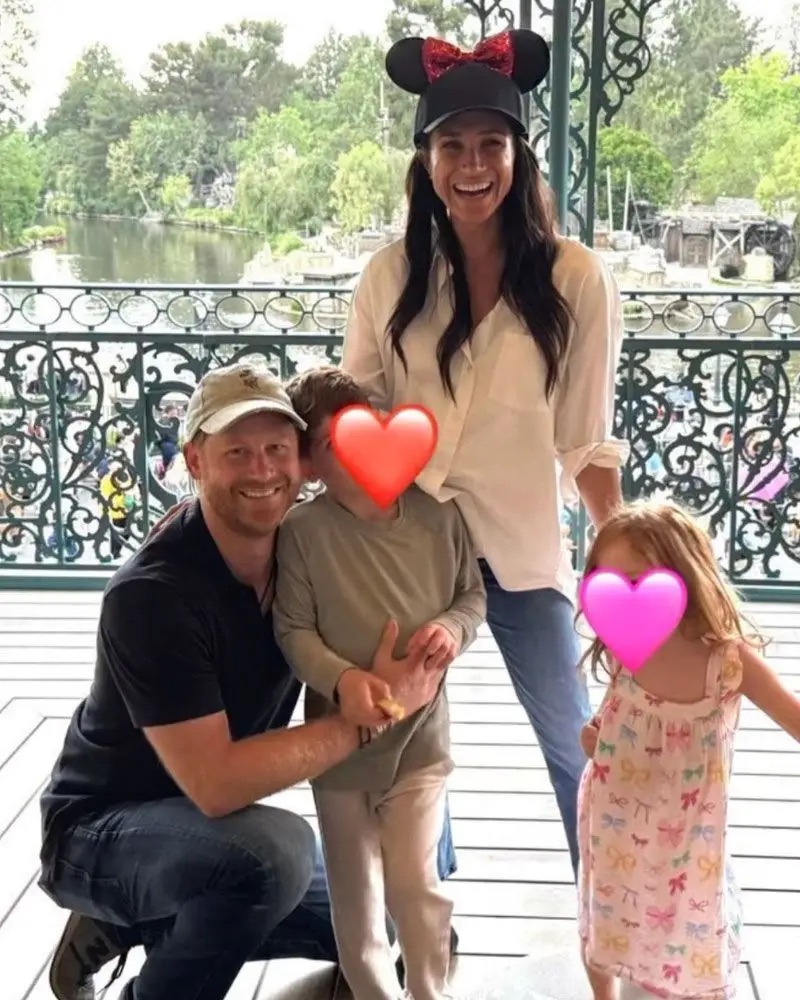
Currently, Harry finds himself in a precarious situation regarding his security arrangements in the UK. Following their departure from royal duties, the Duke and Duchess of Sussex no longer receive taxpayer-funded protection from Scotland Yard, placing additional pressure on any decision to visit. While he awaits confirmation of his security arrangements, the possibility of an invitation from his father, King Charles, would simultaneously provide the necessary security coverage for his family during their stay.
A friend of Harry noted the simplicity and importance of receiving an invitation: “If he was invited by the King, he would get a package of security that automatically kicks in. He’d like an invite to Sandringham. Would he go? It would depend who was there. If the King was to say, ‘Come up and spend some time with the family,’ he’d love that.” This highlights the dual nature of the invitation—not just a familial gathering but a necessary safety measure tethered to royal protocol.
The prospect of a visit has been muddied by the reality of limited interaction between Harry and his father since he relocated to California. In the last two years, Harry has only seen King Charles twice, with their most recent meeting occurring in September 2022 at Clarence House, a brief 55-minute tea session marking the pair’s first in-person conversation after 19 months of separation. Their relationship, strained by distance and public revelations in both Harry and Meghan’s interviews and Harry’s memoir, “Spare,” has raised the stakes for any future family discussions.
Notably, when Harry returned to the UK in January 2023 for the High Court privacy case against Associated Newspapers—the publisher of The Daily Mail—he did not meet King Charles. This further extended the timeline of estrangement, exacerbating the narrative of separation between father and son.
The timing of a visit becomes even more poignant, as it has now been nearly a year since Harry and Meghan’s last visit together, which coincided with the late Queen Elizabeth II’s platinum jubilee celebrations in June 2022. The last time the King interacted with his grandchildren was during that visit, marking a significant gap in their familial relationships. Meghan, for her part, last traveled to the UK in September 2022 to pay respects to the Queen, further marking the absence of connection to the family and the concerns that arise from such significant milestones.
Compounding with the familial dynamics, King Charles has been candid about his ongoing health challenges, notably his battle with cancer. The impact of his health on family relationships adds another layer of complexity as they navigate their roles within the royal family—facing the realities of time and life that they must confront, lest opportunities for connection slip away.
The King’s hesitancy to extend an invitation to Harry and Meghan may signal a broader desire for openness and reconciliation, but skepticism surrounds the efficacy of such encounters. Royal insiders are aware that the public eye is always watching; any gathering that occurs must be carefully calibrated to avoid intensifying existing tensions within the family. A sense of pragmatism prevails as Harry’s desire for a familial reunion clashes with Charles’s apprehensions stemming from their past experiences together.
As the dynamics continue to evolve, speculation abounds regarding the potential for reconciliation—or whether the gaps between them will only widen in the absence of regular contact. Moving forward, the decisions made by both Harry and Charles will ultimately shape the future of their relationship and the broader narrative of the British royal family.
With a blend of hope and caution, royal watchers will undoubtedly keep their eyes on any signals from either side regarding the prospect of a visit to Sandringham. As technology and communication facilitate connections across distances—even familial ones—the weight of history and the ongoing journey of healing remain pivotal threads in this story.
In a rapidly evolving media landscape and social climate, this complicated familial narrative resonates with many who experience similar struggles within their own families. Underpinning the desire for connection is a universal longing for reconciliation and understanding amidst the trials of life. How this desire manifests in action—and whether it leads to a meaningful reunion at Sandringham—remains to be seen, but the discussions surrounding these potential gatherings will continue to shape public perceptions and media headlines for the royal family.
As the summer approaches and the royal family grapples with their internal dilemmas, the world is reminded that even the most esteemed figures often grapple with the complexities of familial ties. Prince Harry’s longing for connection with his father, coupled with King Charles’s cautious approach, encapsulates a timeless narrative of love, heartache, and the hope of bridging gaps to foster healing and understanding within a family that has captured the public’s imagination for generations. The road ahead may be uncertain, but for Harry, Meghan, and Charles, the possibility for meaningful connection lingers, an invitation to forge a new narrative together.