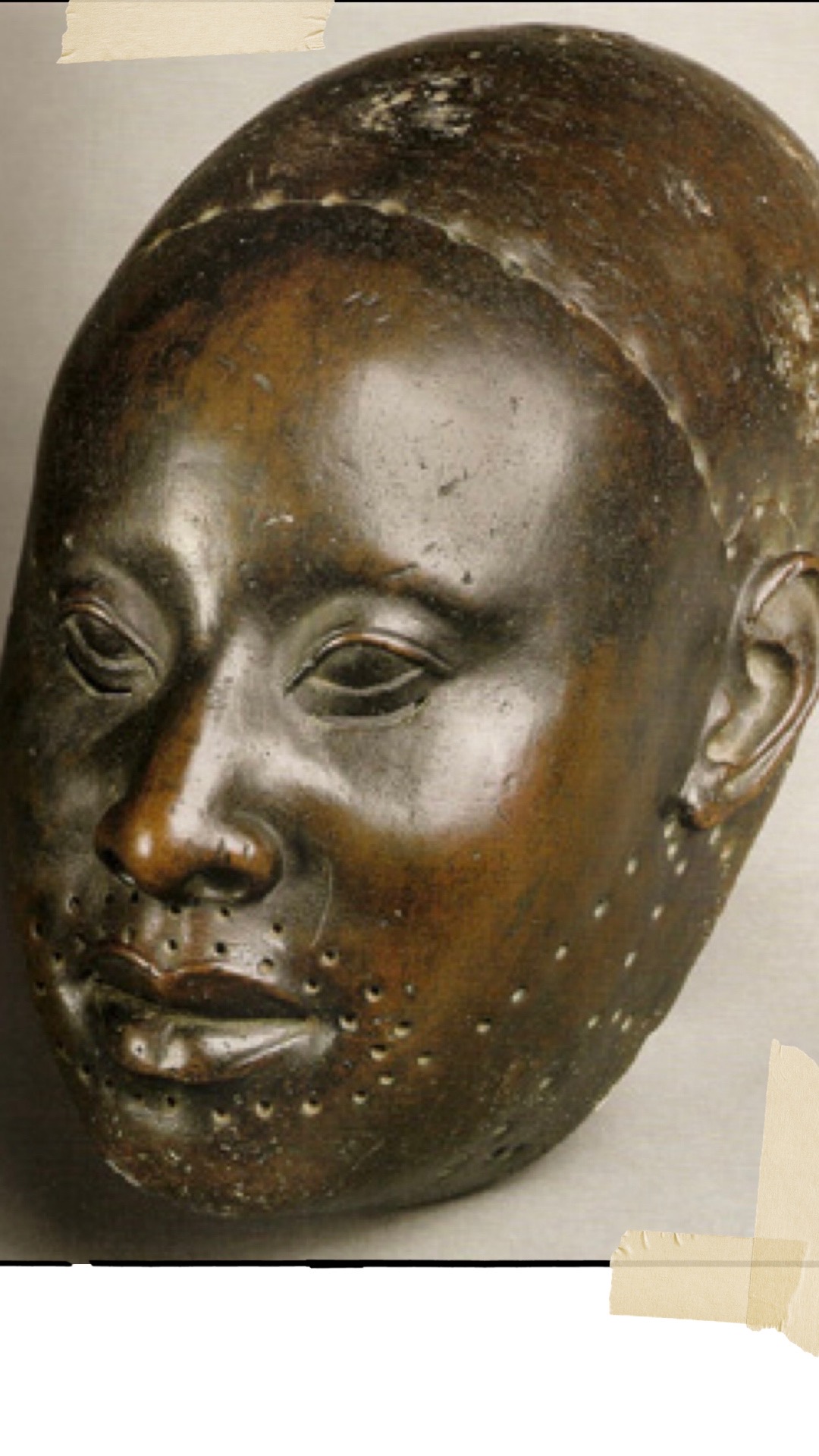
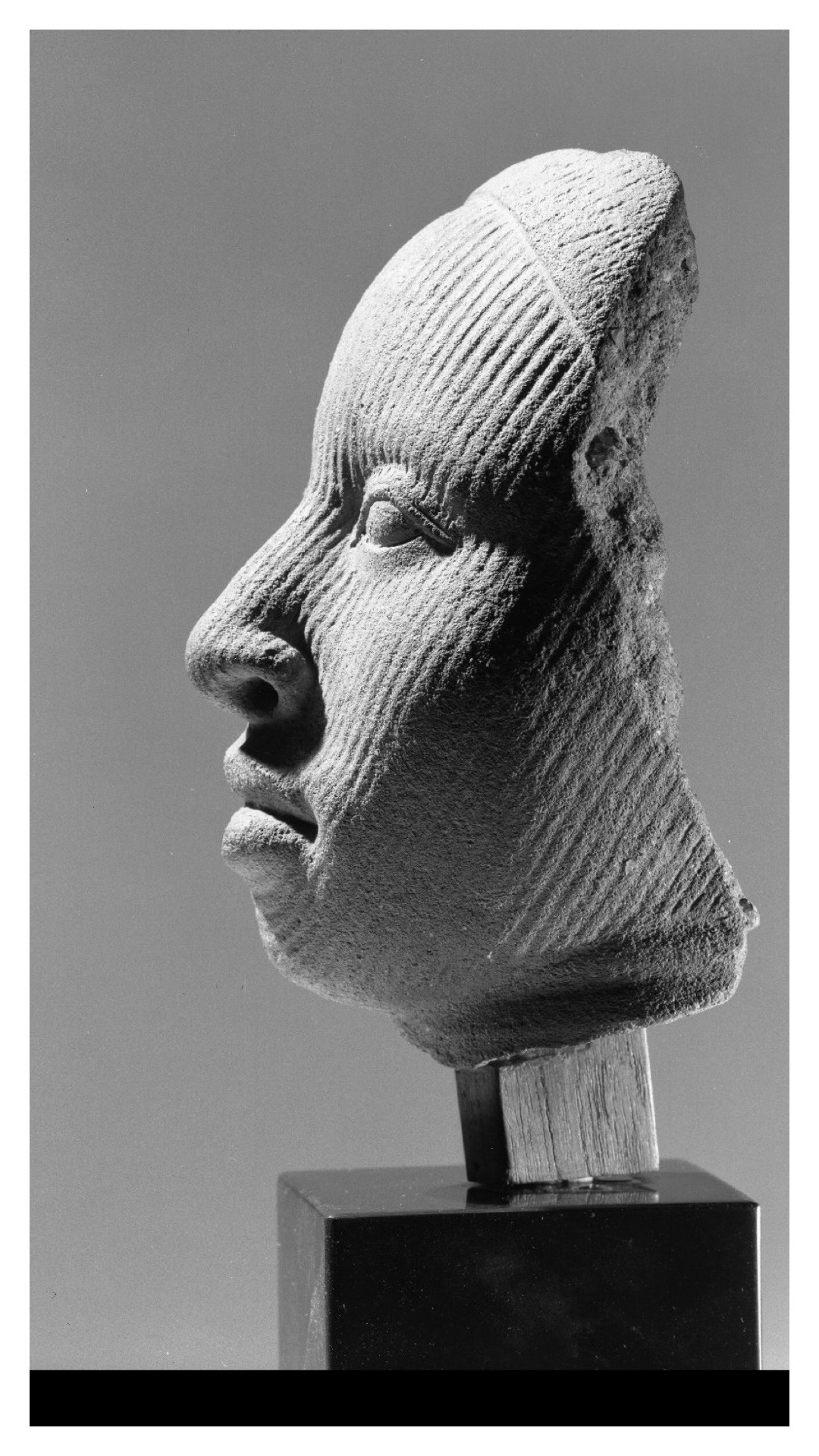
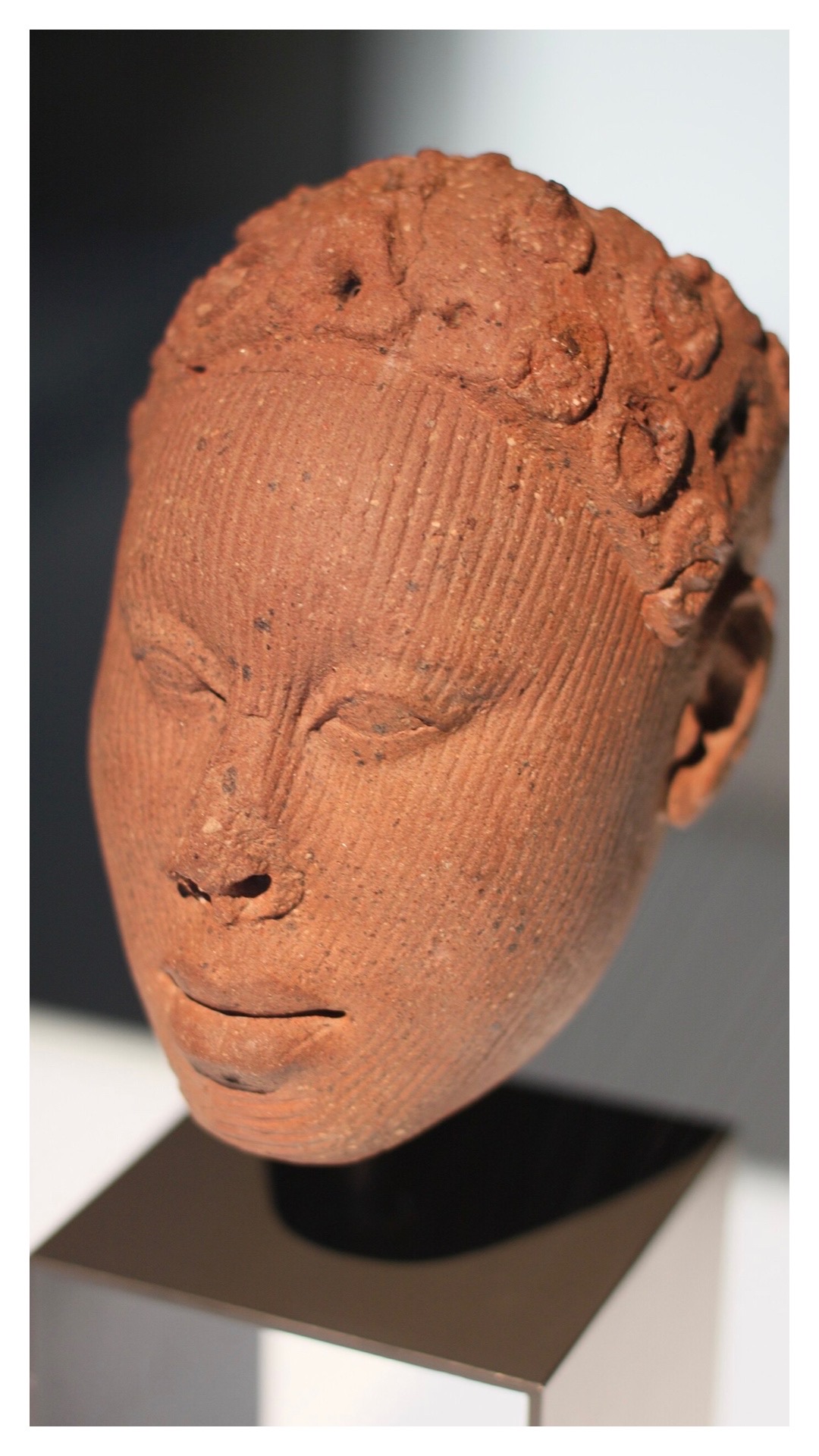
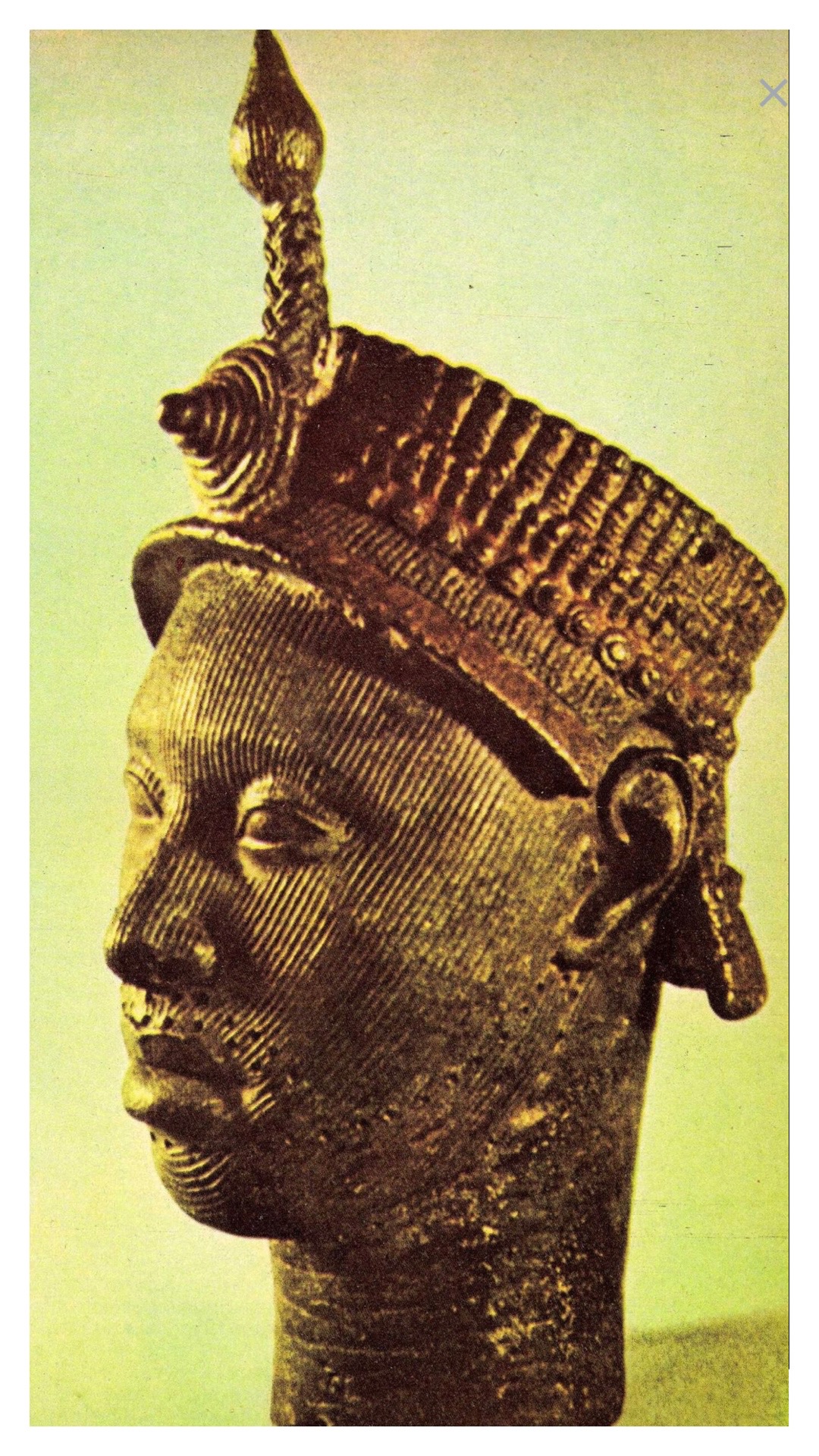
The Ife Head, now part of the British Museum’s collection, was removed from Nigeria by H. Maclear Bate, a prominent editor of the Daily Times of Nigeria. It is believed that he sold it to the National Art Collections Fund, which later passed it along to the British Museum in 1939. This transfer of ownership initiated debates about the ethics of colonial acquisition of art and cultural artifacts, particularly from nations with rich histories and artistic traditions.
In the aftermath of the discovery, the Nigerian government recognized the necessity of controlling the export of antiquities. Before lasting regulations were enacted, some sculptures found their way out of Nigeria, including two that were sent to America. The drive to preserve these artifacts on home soil led to a pivotal piece of legislation in 1938, propelled by the efforts of Leo Frobenius, a German ethnologist and archaeologist. Frobenius was one of the first Western scholars to engage with African art on its terms, advocating for its recognition as a significant cultural force rather than a mere curiosity.
Scholarly interpretations of the Ife Head have evolved significantly over time. Initially, some experts were reluctant to accept the notion that Africa had once possessed the means to produce such intricate art. Frobenius himself proposed an outlandish theory suggesting that these art pieces were cast by an ancient Greek colony, attempting to legitimize their existence within a familiar Western narrative. However, this belief has long been debunked, as contemporary understanding emphasizes that these sculptures are an indigenous product of the artistic traditions of the Yoruba civilization.
Importantly, the copper used in the production of the Ife Head likely came from local Nigerian ores, a fact that further underscores the advanced technical competencies of the artists of the time. Earlier misconceptions led scholars to believe the metal sourced from various regions, including Europe and North Africa. The distinction of the Ife head highlights a continuous tradition of detailed craftsmanship and innovation, as evidenced by the presence of similar characteristics in earlier terracotta works.
The artistic heritage represented by the Ife Head sits among other major West African traditions, such as the Bura, Koma, and Igbo-Ukwu, pointing to a broad and interconnected landscape of artistic expression. The continuity of these artistic expressions suggests a cultural lineage that upheld aesthetic values, spiritual beliefs, and technological advancements throughout centuries.
Religious motivations were prevalent in the creation of the Ife sculptures. The Yoruba people regard Ife as the birthplace of humanity—a mythic location where their deities created the first humans. This deeply spiritual understanding of place reinforces the cultural significance of the Ife Head as more than just a representation of a ruler; it stands as an emblem of Yoruba cosmology and identity.
The impact of the Ife Head extends beyond its historical context; it has become a symbol of national pride and identity for the Yoruba and Nigeria as a whole. Institutions and corporations in Nigeria frequently use the Ife Head in branding, reflecting its evolution into a modern cultural symbol. For instance, it served as the emblem for the 1973 All-Africa Games held in Lagos, showcasing the connection between traditional art and contemporary Nigerian identity.
Exhibitions featuring the Ife Head have helped to raise awareness of the sophistication of African art. The 2010 exhibition “Kingdom of Ife: Sculptures from West Africa,” organized by the British Museum in partnership with Nigeria’s National Commission for Museums and Monuments, facilitated a meaningful dialogue on Nigeria’s rich artistic heritage. This exhibition not only celebrated the craftsmanship of the Ife artisans but also invited a global audience to reflect on the complexities of colonial encounters and the significance of repatriation.
The Ife Head was later included in the British Museum/BBC’s series “A History of the World in 100 Objects,” further embedding it into the narrative of global art history. This inclusion signifies an acknowledgement of Africa’s contributions to the global cultural landscape, countering historical narratives that had sidelined these achievements.
As the discourse around the Ife Head continues to evolve, it serves as a powerful reminder of the importance of art as a conduit for cultural identity and resilience. This singular artifact encapsulates centuries of artistic tradition, spiritual belief, and socio-political history, positioning it as a landmark achievement not only within African art but within the broader framework of global cultural heritage. The Bronze Head from Ife stands as a testament to the depth and richness of human creativity, challenging contemporary audiences to reflect on their understandings of art, culture, and the legacies of colonialism.
This narrative of the Ife Head from its artistic creation to contemporary relevance encapsulates a timeline where art functions as an enduring connection to cultural identity, ancestry, and the complexities of history. The legacy of the Ife Head is not merely confined to museums or academic discourse; it lives within the collective memory of the Yoruba people, serving as a bridge between past and present—a true emblem of African artistry and civilization.