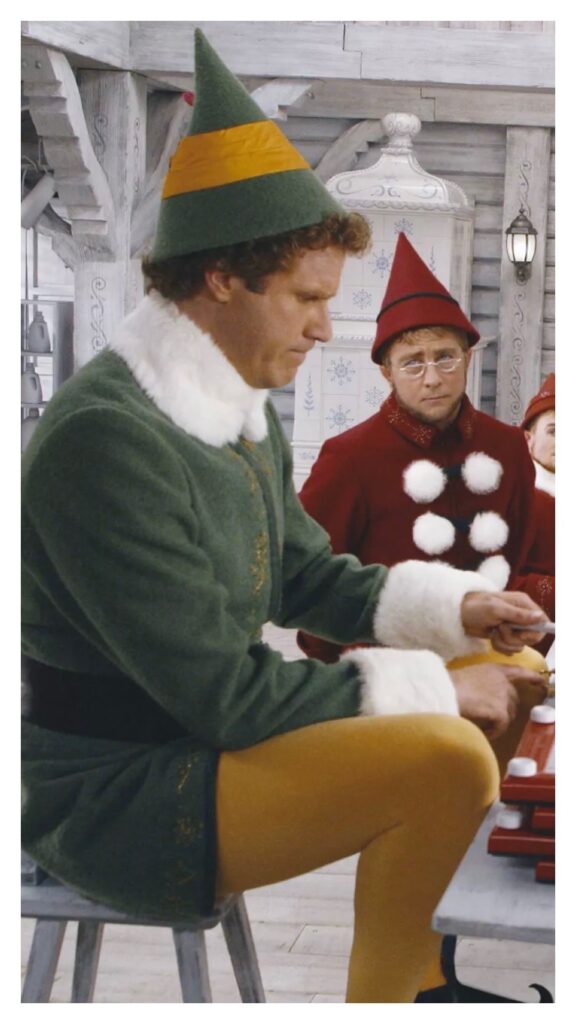
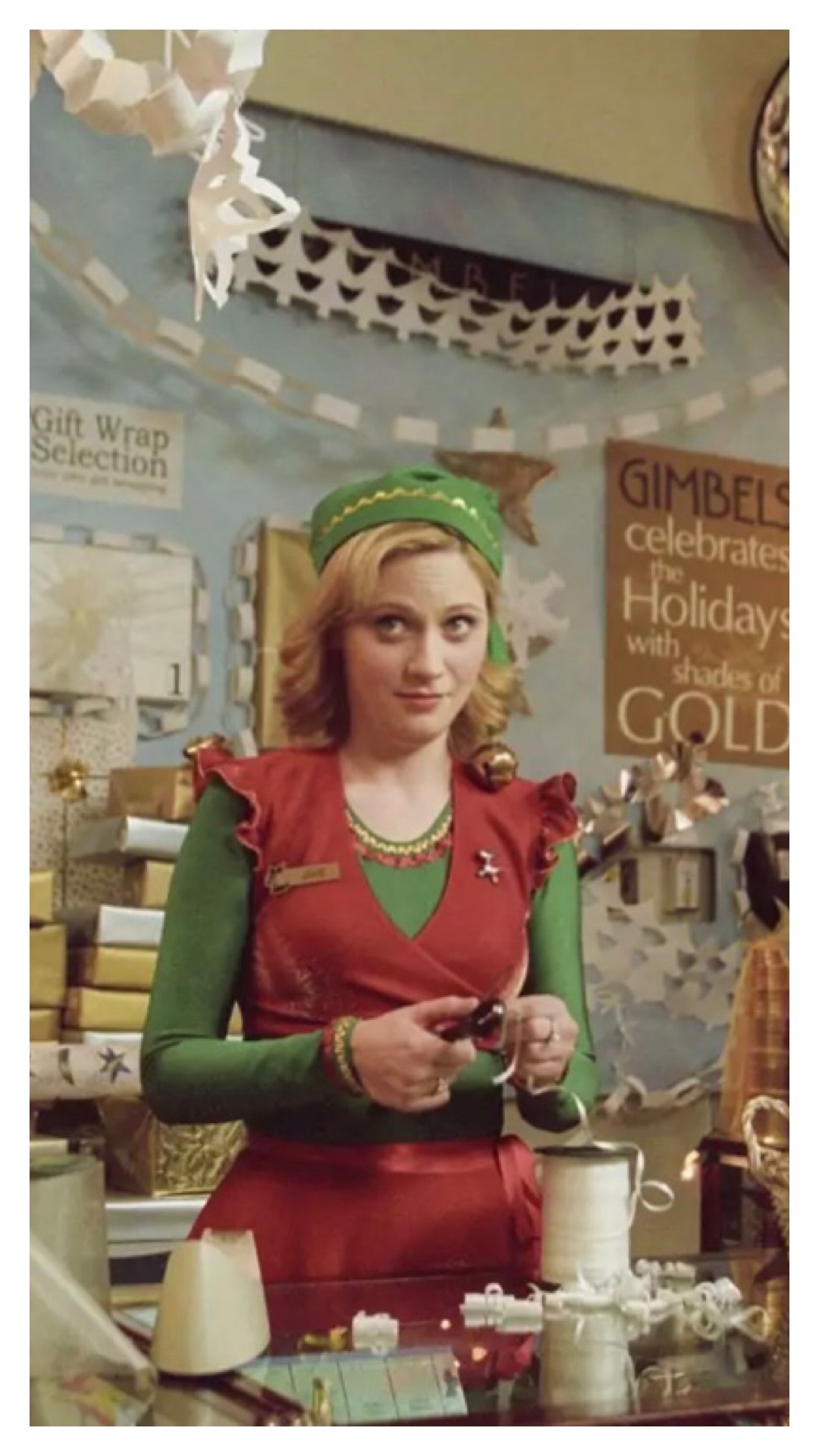
Caan’s critical stance rendered his perspective all the more interesting, especially since his comments sparked curiosity about what exactly hindered the film’s production atmosphere. There were underlying sentiments that surfaced even prior to the film’s release, particularly regarding its humor. Critics at the time suggested that while “Elf” had wholesome elements suitable for family audiences, it often struggled to fully deliver on its comedic potential. In their review, PEOPLE hinted at an almost “Scrooge-like” critique, suggesting that discerning adults might find Ferrell’s performance overwhelming or lacking depth.
Despite the initial misgivings from Caan about Ferrell’s comedic ethos, a significant transformation occurred post-release. In a later interview with Variety, Caan expressed a change of heart. He acknowledged that upon viewing the finished product, he found value in Ferrell’s over-the-top antics, admitting, “I thought everything you were doing while we were filming was way too over the top. Now that I see it in the movie, it’s brilliant.” For Ferrell, this revelation came as a delightful surprise and marked a pivotal moment in their working relationship.
Caan’s ultimate approval lent a sense of validation to Ferrell’s unorthodox approach, evidencing how initial impressions can dramatically alter when the broader picture becomes clear. The transition from Caan’s dismay to admiration highlighted the transformational power of film—how crafted moments can evoke emotions that, during production, might have seemed misplaced or excessive.
While “Elf” went on to make waves as a box office success, securing a place in holiday pop culture, Caan harbored expectations that the film’s popularity would lead to a sequel. Reflecting on the prospect of a follow-up, he envisioned a franchise that could provide financial stability and creative opportunities. However, reality proved otherwise; a sequel was never greenlit, leaving questions about the potential trajectories of these beloved characters unfulfilled.
In a candid moment several years later, Ferrell shed light on his rationale for declining a sequel. For him, promoting a second installment of “Elf” would have required him to navigate a dissonance between artistic integrity and commercial appeal. He described a hypothetical promotional scenario where he’d have to speak positively about a movie he felt did not meet his standards. Ferrell remarked, “I would have had to promote the movie from an honest place, which would’ve been, like, ‘Oh no, it’s not good. I just couldn’t turn down that much money.’” This moral quandary highlighted both the complexity of the entertainment industry and the delicate balance actors must maintain between their art and commercial interests.
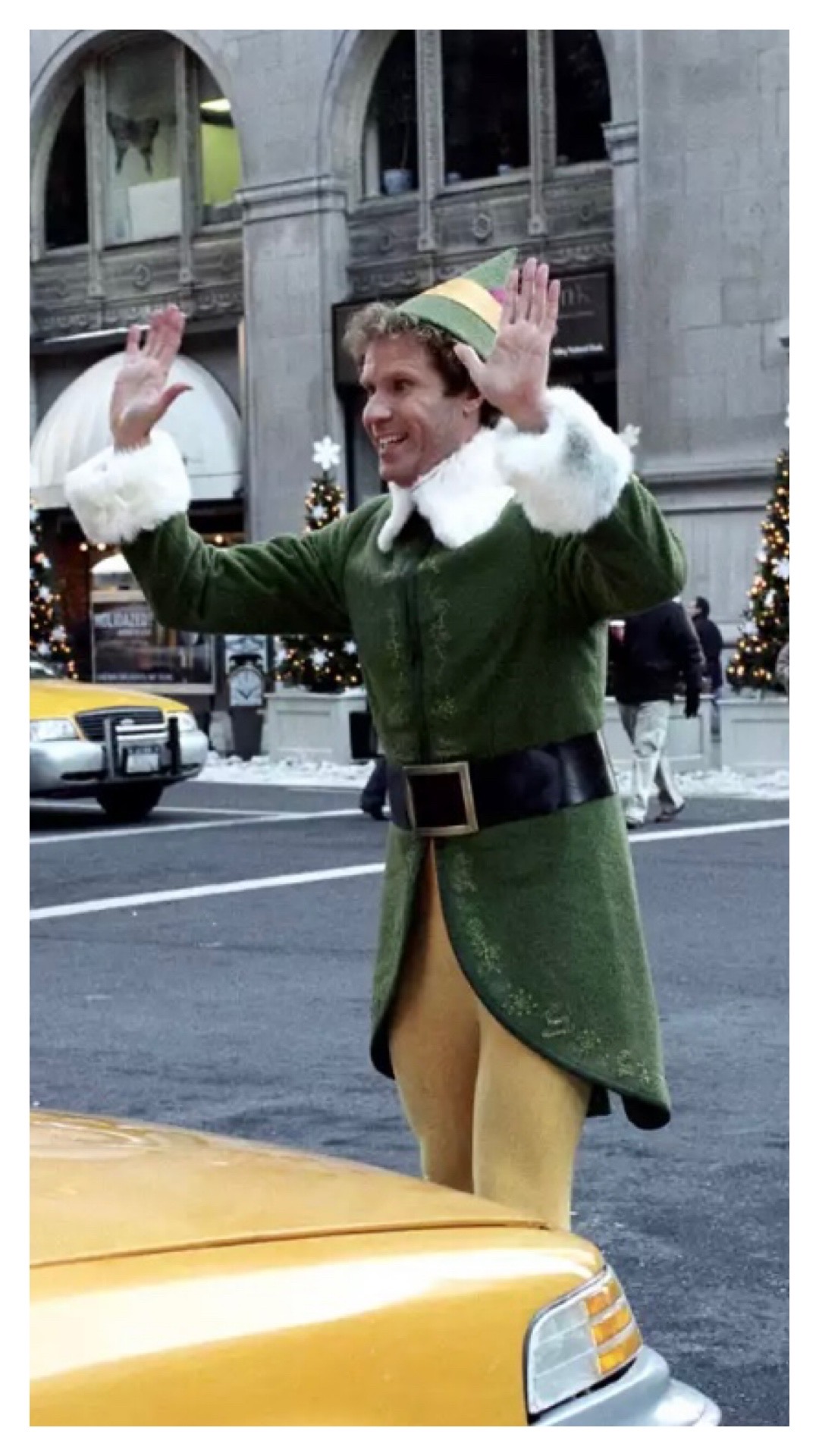
The character of Buddy the Elf remains one of Ferrell’s most cherished and unforgettable roles, continuing to capture hearts during the holiday season and beyond. In December 2024, he made headlines for his unconventional appearance at a hockey game, embodying a tipsy Buddy—a choice that elicited mixed reactions from fans. Some praised his commitment to the character, while others believed such antics strayed too far from the essence of the beloved figure they admired.
Reflecting on the continued cultural resonance of “Elf,” Ferrell shared the joy of hearing from fans who watch the film during different seasons. “I have people come to me saying, ‘We watch Elf on July 4th! We just love it,’” he noted, denoting how the film transcended the traditional confines of holiday viewing.
The underlying societal impact of “Elf” suggests something profound about shared experiences; it exemplifies how a film can act as a unifying force within a community, forging connections across generations. Ferrell encapsulated this sentiment perfectly, remarking, “You never really have an idea of what’s going to land with people, and I love the fact that this movie continues to resonate in a way that’s pretty incredible.”
As “Elf” appears poised to maintain its status as a holiday classic, the story of its making—a unique blend of contrasting comedic philosophies, unexpected tensions, and eventual mutual appreciation—serves as a reminder of the intricate layers behind cinematic storytelling. The journey from dismay to acceptance between Ferrell and Caan not only reflects the film’s artistic magic but also celebrates the profound connections formed through creative endeavors. Their initial misunderstandings transformed into a shared admiration for the art of film, creating a timeless legacy that fans will cherish for years to come.
In conclusion, the tale of how “Elf” came to be underscores the complexity of character dynamics behind the scenes and reinforces the idea that great art often emerges from moments of conflict and resolution. As the holiday season approaches once more, audiences will undoubtedly continue to find joy in Ferrell’s antics as Buddy, while reminiscing on the transformative journey of the film’s cast and crew—encapsulating the lasting power of laughter, love, and the spirit of Christmas.