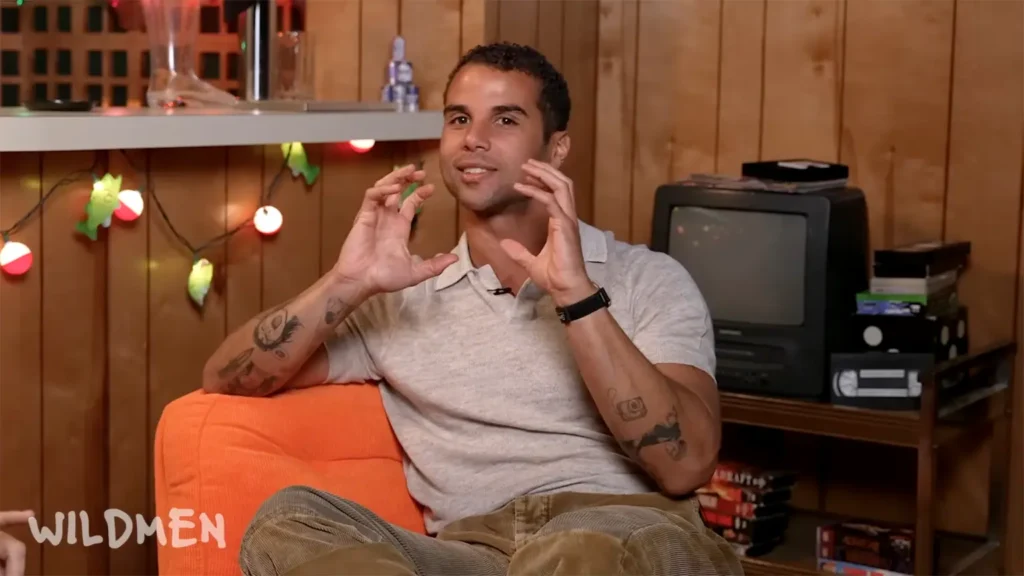
Refining his perspective as an adult, Mason has developed a sophisticated understanding of how fame impacts family dynamics. He noted that he is frequently approached on film sets by industry peers who, knowing his background, ask a polite, veiled version of the same question: “How do I not f–k up my child?” His response is rooted in the necessity of empathy and awareness. He advises his colleagues to recognize that a child is capable of consuming their parent’s public persona in the same way an audience does. By acknowledging that the “dissonance” between a parent’s on-camera personality and their behavior at home will inevitably become a factor in their relationship, parents can better navigate the complexities of their connection with their children.
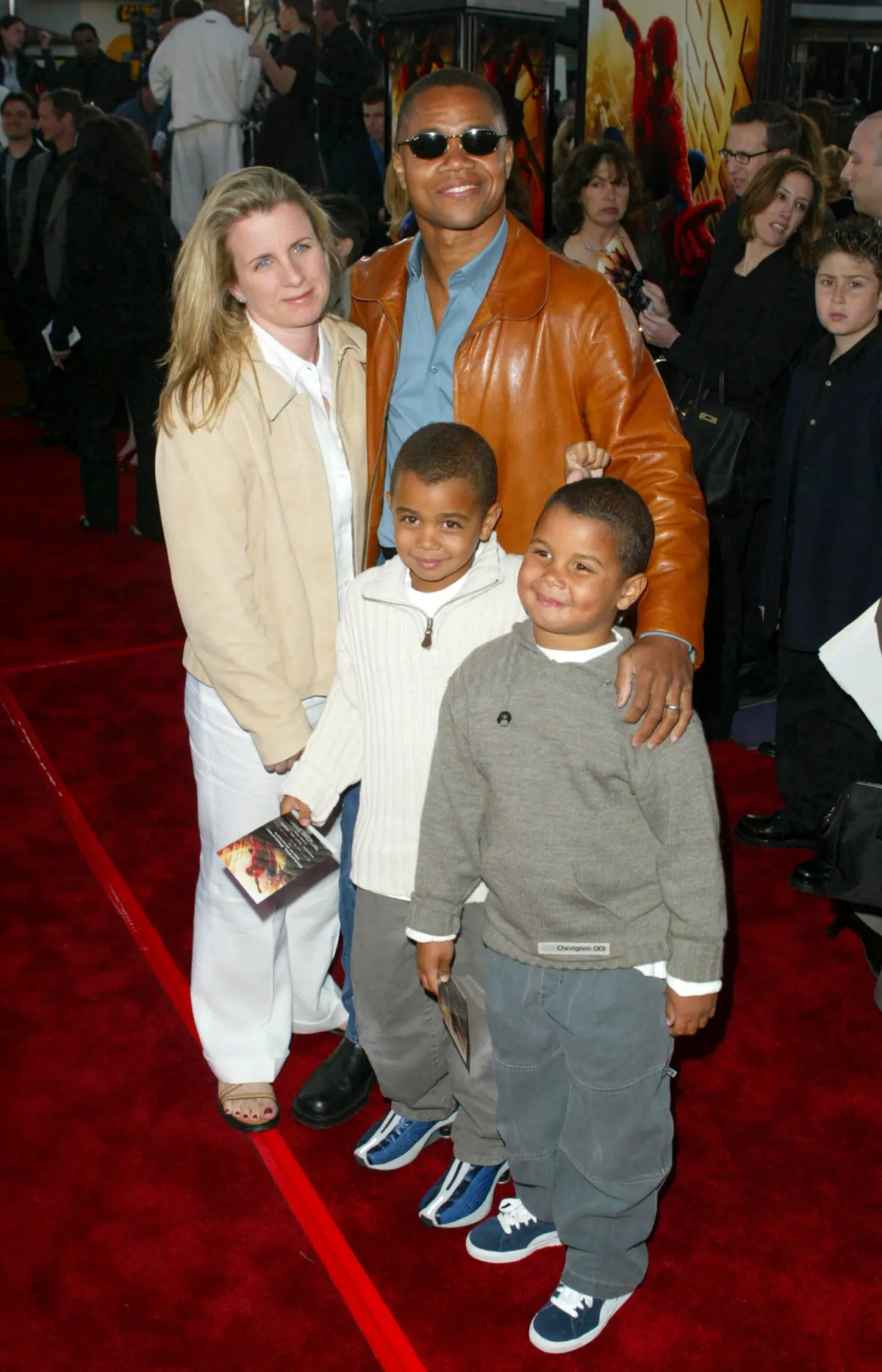
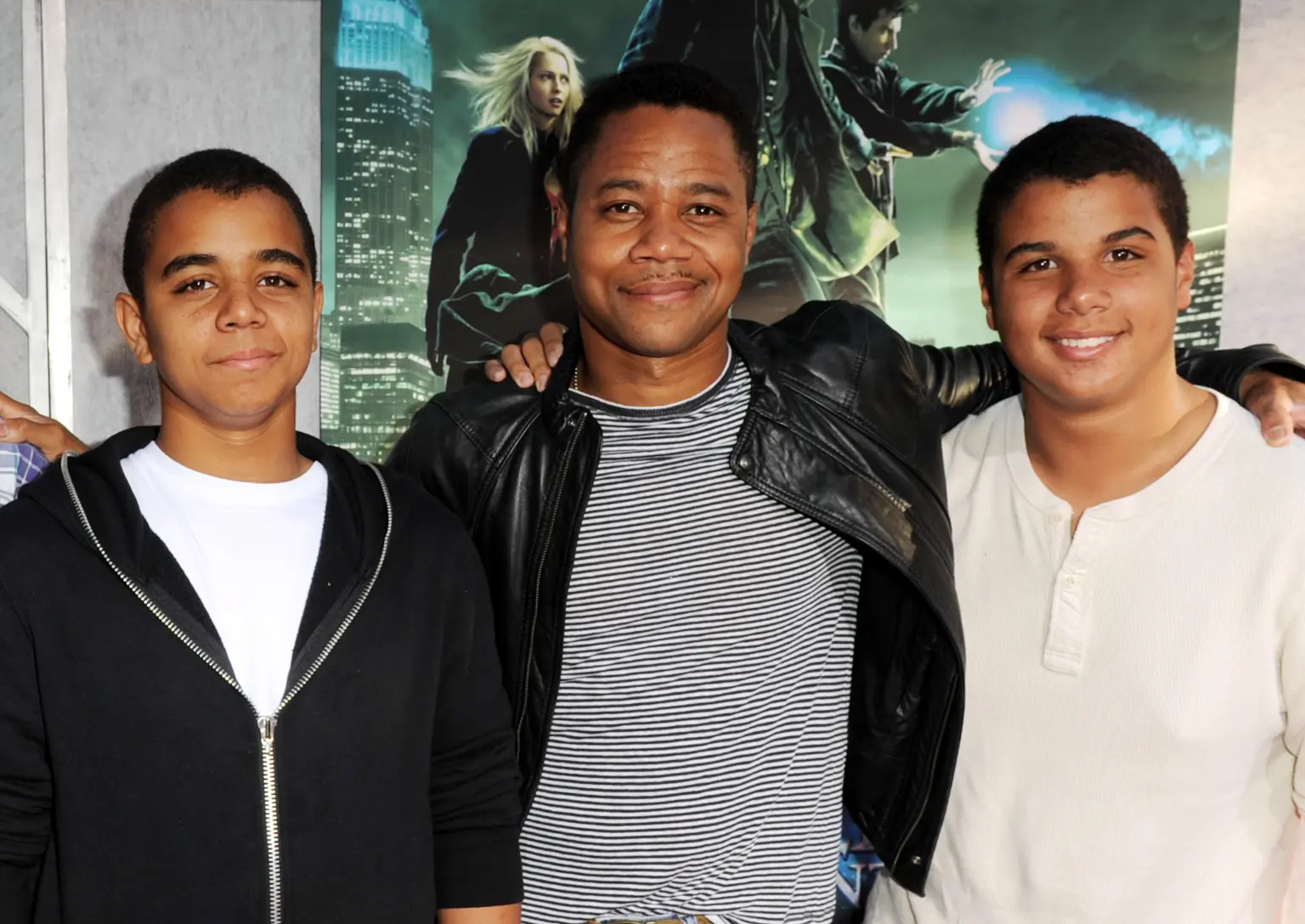
Cuba Gooding Jr., now 58, shares three children—Spencer, 32, Mason, 29, and Piper, 21—with his ex-wife, Sara Kapfer. The family’s history has played out against the backdrop of a highly public career, one that has been marked by significant professional highs and, in recent years, serious personal controversies. The actor’s legal and personal struggles have frequently dominated the headlines, adding another layer of complexity to the family’s public narrative.
Legal challenges have been a significant part of the actor’s recent history. In 2022, he pleaded guilty in the New York State Supreme Court to one count of forcible touching, stemming from an incident in 2018 where he kissed a waitress without consent. As part of a plea deal, he completed six months of alcohol and behavioral counseling, a requirement that allowed the charge to be reduced to a harassment violation, resulting in no jail time or a criminal record. This episode was followed by further legal complications; in June 2023, he settled a lawsuit with a woman who had accused him of raping her twice in a New York City hotel room in 2013. Additionally, he has faced allegations of sexual misconduct from multiple other women, all of which he has vehemently denied.
These public events have undoubtedly colored the way the world views the family, yet Mason’s reflections on his father remain nuanced and deeply personal. He does not shy away from the reality of his upbringing, nor does he offer a sanitized version of his relationship with his father. Instead, he speaks with the perspective of someone who has had to reconcile the man he knows with the public figure who has been subjected to such intense scrutiny. His ability to articulate these feelings is a testament to the maturity he has gained as he has navigated his own path as an actor in Hollywood.
The industry of fame is one that demands much from those who inhabit it, often at the expense of their personal relationships. Mason’s commentary serves as a reminder that the human cost of a Hollywood career is rarely confined to the individual. The impact of a parent’s professional life—the travel, the public image, the scrutiny—filters down to their children, who are often forced to navigate these realities without a roadmap. By sharing his experience, Mason is contributing to a growing conversation about the psychological environment of celebrity families.
Understanding the “dissonance” that Mason describes is essential for anyone seeking to comprehend the life of a modern celebrity. It is a state of being where the individual is constantly split between their private self and their public utility. For a child, this can feel like a betrayal of intimacy, as the parent is forced to play a role even within the family unit. Mason’s insights suggest that the most successful way to mitigate this damage is through transparency and the acknowledgment of the parent’s dual existence.
The podcast conversation also highlighted the generational differences in how Mason and his father have navigated their respective careers. While Cuba Gooding Jr. rose to prominence during an era where the public-private divide was more rigidly maintained, Mason is coming of age in a time when the boundaries are increasingly porous. Social media and the 24-hour news cycle have made it impossible for any celebrity to maintain a truly private life, a fact that Mason understands better than most.
Professional life as an actor has also provided Mason with a new vantage point from which to view his father’s career. Being on set, engaging with the same industry, and experiencing the pressures of performance have given him a different kind of empathy. He is no longer just the child watching from the sidelines; he is a peer who understands the specific demands of the craft. This shift in perspective has allowed him to move beyond the confusion of his youth and into a more adult, albeit complicated, relationship with his father.
Family dynamics are inherently messy, and when fame is introduced into the mix, that messiness is amplified. Mason’s openness about his father’s “speed-parenting” and the confusion it caused is a courageous act of vulnerability. It allows for a more honest discussion about the limitations of celebrity parenting and the long-term impact on the children who are left to parse the pieces of a fragmented relationship. It is a story that is not unique to the Gooding family, but one that is rarely told with such clarity and poise.
As the younger Gooding continues to build his own reputation in the entertainment industry, his ability to maintain his own identity while acknowledging his father’s influence will be critical. He has already shown a remarkable capacity to stand on his own merits, carving out a space for himself in projects like Scream VI and Fall. His success is not a rejection of his father’s legacy, but an evolution of it—a way of engaging with the same profession while charting a course that is entirely his own.
The lessons he has learned from his father, both the positive and the negative, are now a part of his own toolkit as an actor and as a man. He has taken the “dissonance” of his childhood and turned it into an analytical tool, a way of understanding the world and the people within it. It is a sophisticated way of processing a complex history, one that suggests he is well-equipped to handle whatever challenges his own career may bring.
Reflecting on the totality of his experience, Mason Gooding emerges as a thoughtful observer of his own life. He does not claim to have all the answers, nor does he pretend that his relationship with his father is simple. Instead, he offers a window into the reality of a life that is often hidden behind the veneer of celebrity. It is a story of growth, of navigating the shadows of fame, and of finding the strength to define oneself in the wake of a complicated, public-facing upbringing.