Legal proceedings of this nature are notoriously difficult, as the perpetrators often operate from behind layers of encryption and anonymity. By initiating this suit, Grande is seeking the court’s assistance in uncovering the identities of these hackers. If successful, the case could set a significant precedent for how the music industry handles intellectual property theft and digital privacy breaches. It sends a clear message that the dark web is not a safe harbor for those who profit from the exploitation of artists’ private work.
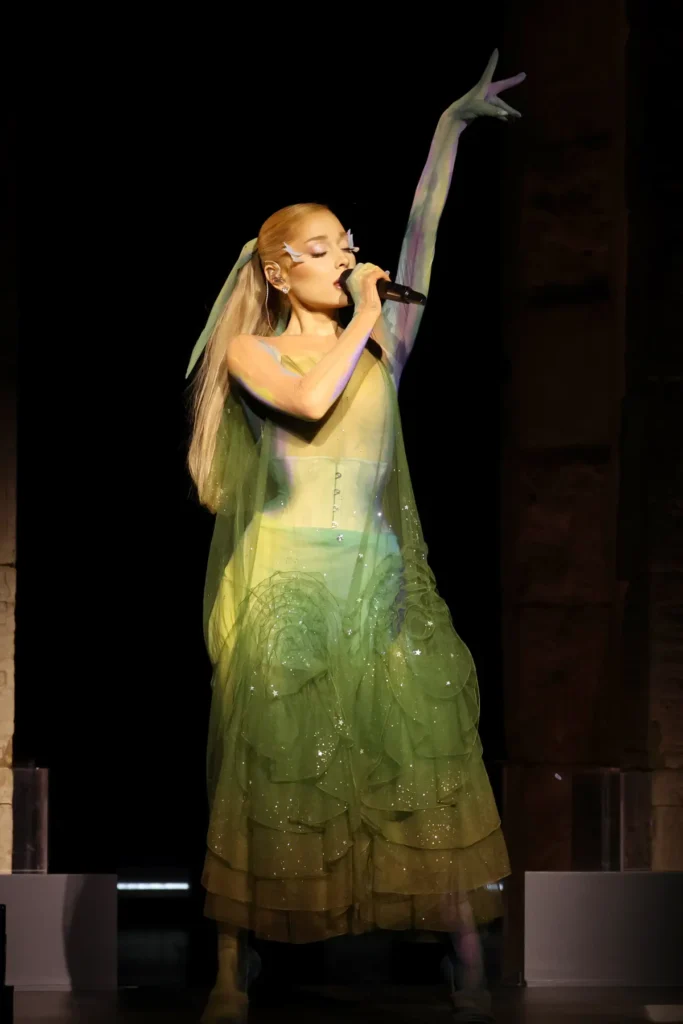
The timing of the lawsuit coincides with a pivotal moment in Grande’s professional life. She is currently in the midst of a highly anticipated tour in support of her seventh studio album, Eternal Sunshine. The tour, which began on June 6 in Oakland, California, represents a massive undertaking, with a string of dates scheduled across the United States, Canada, and the United Kingdom. Managing the logistics of such a tour while simultaneously dealing with the fallout of digital theft highlights the immense pressure placed on contemporary pop stars.
As the tour progresses toward its final performance at the O2 Arena in London on September 1, the legal battle will likely continue to unfold in the background. The contrast between the public celebration of her music on stage and the private struggle to keep that music secure from hackers is a stark reminder of the complexities inherent in modern fame. For Grande, the tour is a celebration of her latest creative triumph, but the lawsuit is a necessary defense of the work that precedes it.
Digital security has become a paramount concern for major labels and independent artists alike. The ease with which hackers can infiltrate the accounts of producers, engineers, and photographers—individuals who often lack the high-level security infrastructure of major corporations—has made the entire creative pipeline vulnerable. This lawsuit will likely prompt a industry-wide re-evaluation of data storage practices and security protocols for sensitive creative assets.
Support for the singer’s position has been widespread, with many in the music industry acknowledging that the current situation is unsustainable. The theft of unreleased music is not merely a matter of lost revenue; it is a violation of the artist’s creative vision. When a song is leaked before it is finished or intended for release, the artist loses the ability to present their work as they originally envisioned it. This loss of agency is what the lawsuit seeks to rectify, emphasizing that the value of art lies in the artist’s control over its distribution.
Legal experts observing the case suggest that the success of the lawsuit will depend on the ability to trace the digital footprints left by the hackers. Even in the dark web, absolute anonymity is difficult to maintain, and the financial transactions associated with the sale of the stolen files could provide the leads necessary to identify the individuals behind the operation. The discovery process will be critical, as it will force the defendants to either reveal themselves or face a default judgment that could have severe legal and financial consequences.
Public reaction to the news has been overwhelmingly supportive, with fans expressing frustration over the leaks that have historically plagued the singer’s career. Many have taken to social media to denounce the hackers, emphasizing that the unauthorized sharing of music is a form of disrespect toward the artist and the creative process. The collective call for accountability is a sign of shifting public opinion, where fans are increasingly prioritizing the artist’s rights over the immediate gratification of hearing leaked content.
Looking ahead, the resolution of this case will be closely watched by legal teams representing other major artists who have suffered similar fates. If Grande succeeds in holding these hackers accountable, it could provide a roadmap for others to follow, potentially leading to a decrease in the frequency of these attacks. The goal is to create a digital environment where creative work is respected and protected from those who seek to profit from its unauthorized dissemination.
The personal toll of these breaches should not be understated. Having one’s private photographs, videos, and unfinished recordings exposed to the world without consent is a profound invasion of privacy. For someone who has spent the majority of her life in the spotlight, Grande has had to navigate the constant threat of intrusion, but the theft of her creative output represents a new level of violation. By taking this step, she is asserting her right to a digital life that is secure and private.
As the Eternal Sunshine tour continues to captivate audiences, the focus remains on the music that the singer has chosen to share with the world. The tour stands as a testament to her resilience and her dedication to her craft, proving that even in the face of malicious efforts to undermine her work, she remains a dominant force in pop music. The legal action is simply another facet of her commitment to her art, ensuring that the work she creates is protected for her and her fans to enjoy on her own terms.
The path to justice may be long, and the challenges of identifying anonymous hackers are significant, but the decision to file this lawsuit is a bold step toward reclaiming control. It is an assertion of authority in a digital landscape that has often felt like the Wild West for artists. By standing up for her rights, Grande is not only defending her past work but also securing the future of her creative expression, ensuring that the music of tomorrow remains safe from the hands of those who would steal it today.