The New Face of Fashion: How 40+ Models Are Rewriting the Rules of the Runway

For decades, fashion treated youth as its most valuable currency. Runways were dominated by models barely out of adolescence, while women over 40 were often pushed toward the margins of the industry or excluded altogether. That tradition, once considered untouchable, is now being challenged by a growing group of mature models whose careers are reshaping perceptions of beauty, relevance and commercial appeal.
The New Face of Fashion
The New Face of Fashion

The New Face of Fashion

The rise of 40-plus models is not simply a trend. It represents a broader transformation in fashion, where experience, individuality and authenticity are gaining influence alongside conventional standards of youth and physical perfection. From global campaigns and magazine covers to prestigious catwalks, older models are occupying spaces that were once reserved almost exclusively for younger faces.


The movement includes established figures, late-career discoveries and industry professionals determined to dismantle ageism from within. Together, they reflect a fashion landscape that is becoming more representative of the women who actually buy, wear and influence luxury clothing.

The New Face of Fashion

Stephanie Cavalli
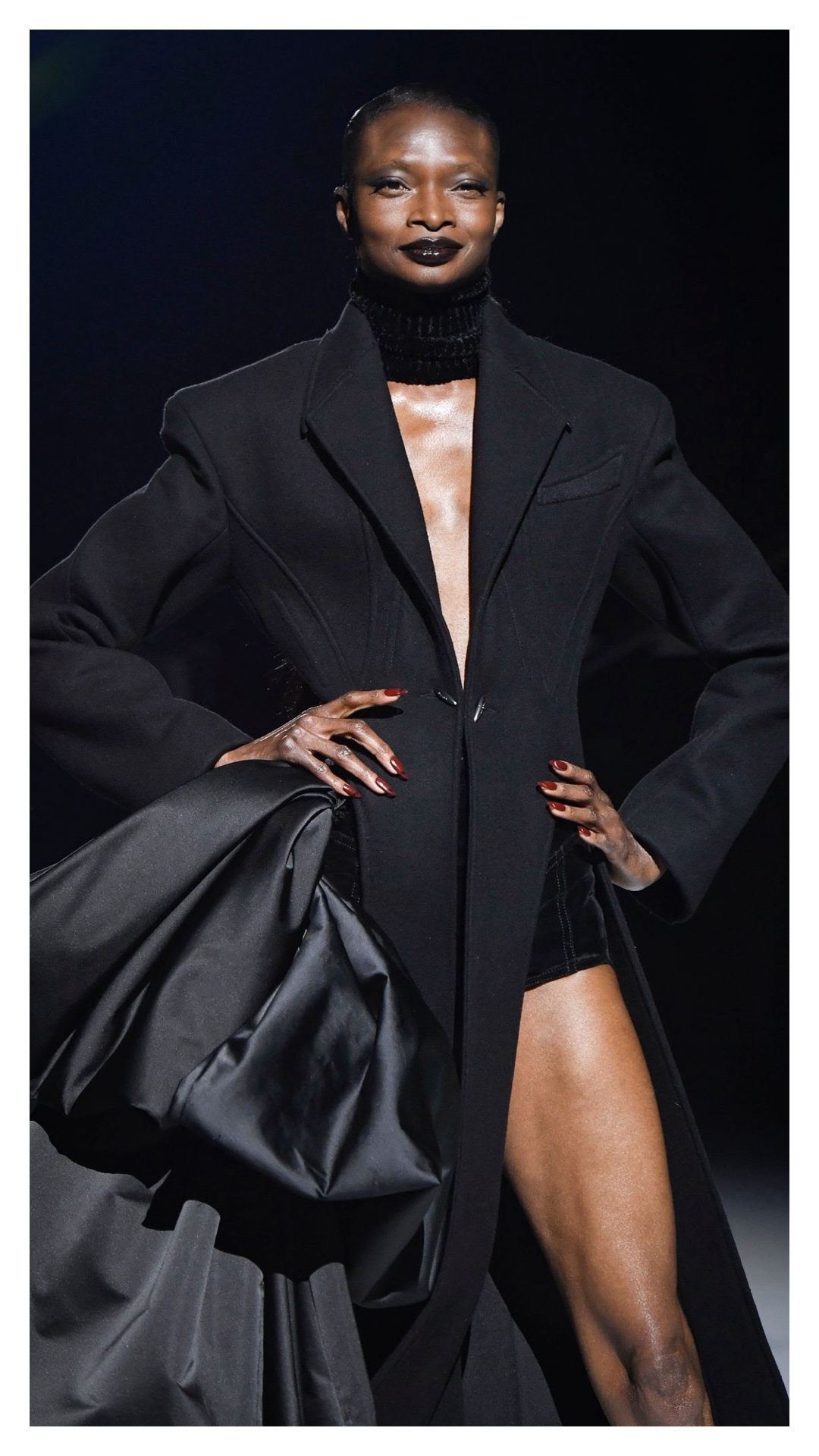
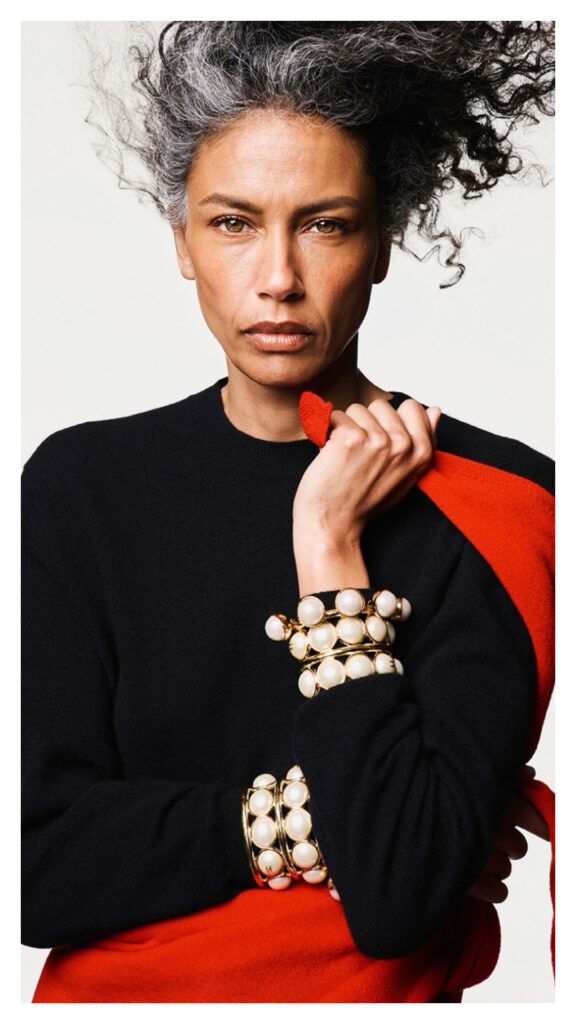
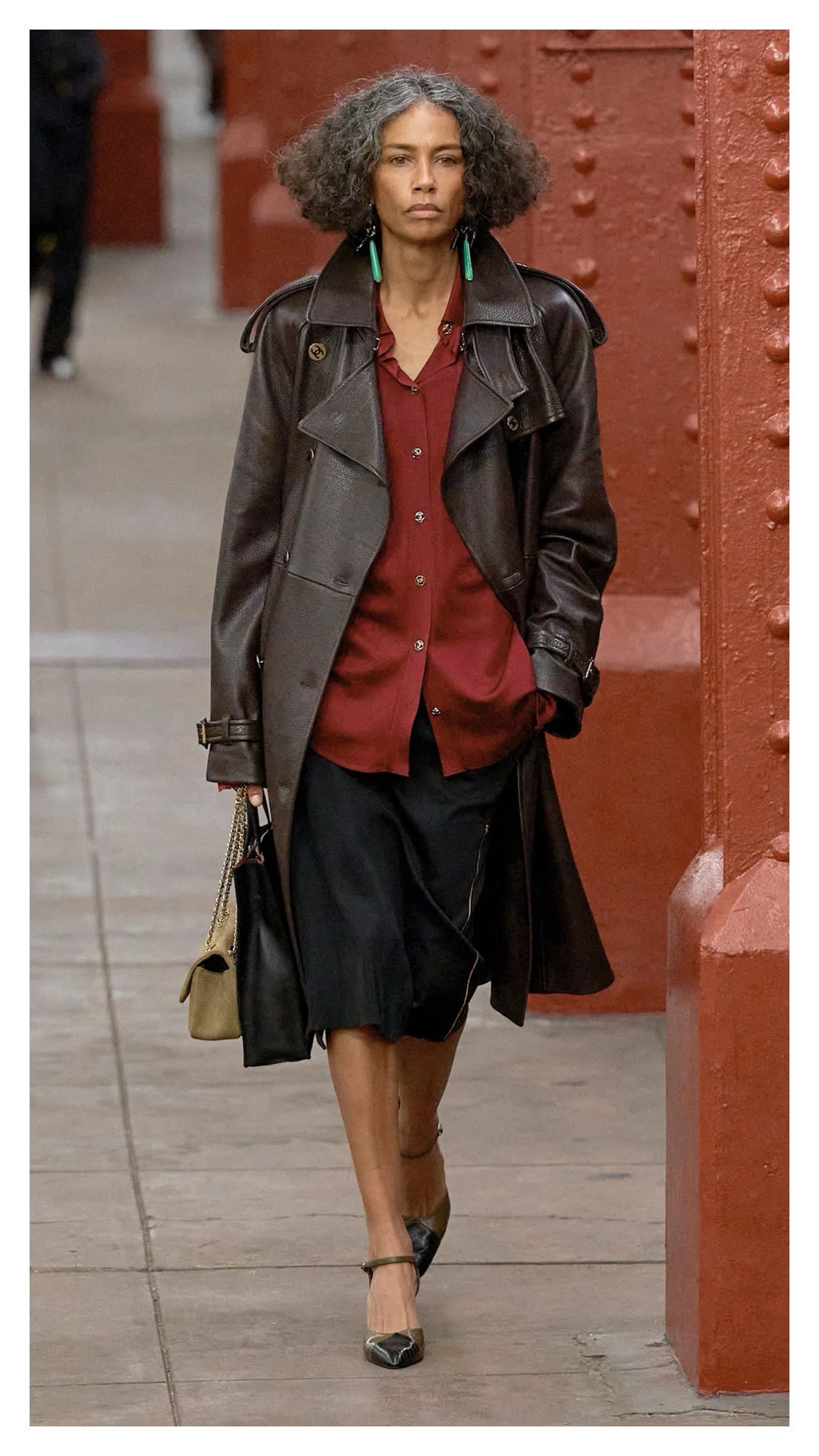
Stephanie Cavalli stands among the most visible names in this shift. Her recent appearances at Chanel, where she opened two shows, marked a significant moment for a model over 40. Opening a show is one of the most prominent positions a model can hold on a runway. It signals confidence from the designer, casting team and brand, while establishing the mood for the entire presentation.


Cavalli’s growing recognition extends beyond the catwalk. Her inclusion on the BOF 500 list for 2026 places her among the influential figures shaping the global fashion industry. The acknowledgment highlights the changing definition of fashion authority. Influence is no longer limited to young models who dominate social media or appear repeatedly in seasonal campaigns. Experience, longevity and the ability to command attention have become equally significant.


Cavalli’s success also demonstrates how mature models can bring a different kind of presence to luxury fashion. Her appeal is not based solely on beauty. It is connected to poise, self-possession and an understanding of how to communicate clothing through movement and attitude. These qualities are often developed over years of professional experience, making them diffic

The New Face of Fashion

Debra Shaw

Debra Shaw represents one of the most enduring presences in contemporary fashion. After more than 34 years in the industry, she remains a muse for leading fashion houses and a legendary runway figure. Shaw rose to prominence in the early 1990s, working with designers including Alexander McQueen , John Galliano and Thierry Mugler.

Her continued relevance challenges the industry’s emphasis on youth and conventional career timelines. Rather than conforming to a narrow idea of physical appearance, Shaw embodies a presence shaped by experience, confidence and individuality. Most recently, she walked for Giorgio Armani and Matières Fécales during the SS27 season.

The New Face of Fashion

Evelyn Effrim-Botchey

Evelyn Effrim-Botchey has brought further editorial visibility to the movement, appearing on two Grazia covers and in an interview, while walking for LACOSTE, LANVIN, Stella McCartney and MOSCHINO this season. Magazine covers remain important cultural markers, particularly when they challenge narrow definitions of who is considered fashionable. Effrim-Botchey’s appearances place a model over 40 at the centre of the mainstream fashion conversation, rather than treating maturity as a niche subject.


Her presence reflects a wider editorial shift. Publications are increasingly acknowledging that their audiences are not defined by one age group. Women want to see intelligence, sophistication and individuality represented in fashion imagery. A mature model can embody those qualities while presenting clothing in a way that feels aspirational without appearing disconnected from real life.

The New Face of Fashion

Yasmin Warsame

Yasmin Warsame has carried the message into advertising through her role as the face of a new YSL campaign. Global beauty and fashion campaigns traditionally depend on the idea of timelessness, yet they have often represented that concept through exceptionally young models. Warsame’s selection challenges that contradiction.


Her participation communicates that luxury is not restricted to a particular stage of life. The campaign presents maturity as an asset rather than a limitation, reinforcing the idea that confidence and character can deepen with age. For a major house such as YSL, the decision also carries commercial significance. 

Mature consumers represent an important part of the luxury market, and many expect brands to reflect their lives more accurately.

The New Face of Fashion

Mia Maugé

Mia Maugé offers one of the most compelling stories within this new generation of mature models. She was scouted at the age of 53 and went on to work as a model after reaching an age when many people in the industry would have considered a career impossible. Now 60, Maugé embodies the possibility of beginning again at a stage of life often associated with professional decline.


Her story challenges the assumption that modelling must begin during adolescence. Maugé’s late entry suggests that confidence, distinction and personal history can create a powerful visual presence. Rather than attempting to imitate younger models, she represents a different form of beauty—one shaped by time, experience and self-knowledge.


The significance of Maugé’s career extends beyond her individual achievements. Her discovery provides evidence that talent can remain invisible when the industry searches only within narrow age parameters. Thousands of women may possess the presence required for fashion but never receive an opportunity because casting systems eliminate them before they are seen.

The New Face of Fashion

Coco Mitchell

Coco Mitchell represents another dimension of longevity. As a New York model for four decades, she has witnessed the industry change from within. Her career spans multiple generations of designers, photographers, stylists and casting directors, giving her an understanding of fashion that cannot be acquired quickly.


Long careers such as Mitchell’s are increasingly valuable in an industry that often moves at extraordinary speed. Seasonal trends may change rapidly, but a model with decades of experience understands how to adapt without losing her identity. She also carries historical knowledge, having participated in the evolution of fashion imagery and the shifting expectations placed on women.


Mitchell’s continued presence in New York reflects the city’s enduring role as a center of creative reinvention. The city has long rewarded individuals who develop a distinctive identity, and her career demonstrates how professional relevance can be sustained through adaptability and persistence.

The New Face of Fashion

Anita Bitton

Behind many of the industry’s most visible shifts is Anita Bitton, the legendary British-born casting director who founded The Establishment in 2003. Widely regarded as the industry’s leading casting agency, The Establishment has helped Bitton challenge ageism in fashion—particularly through her work casting for Chanel. By bringing greater diversity to the brand’s prestigious runway, she has shown that luxury and inclusivity need not be at odds.


Casting directors influence fashion more profoundly than the public often realizes. Their decisions determine who appears in front of influential audiences and whose image becomes associated with a designer’s creative vision. A casting director who chooses a wider range of ages can alter the visual language of an entire collection.


Bitton’s work signals a deliberate move away from homogeneous casting. Diversity on the runway is frequently discussed in terms of race, body type and gender, but age is equally important. A runway that includes women at different stages of life offers a broader and more truthful representation of beauty.


Chanel’s association with elegance and tradition makes the shift particularly notable. The brand’s inclusion of older models suggests that heritage does not require a return to outdated standards. Instead, tradition can coexist with modern ideas about visibility and representation.

The New Face of Fashion

Carmen Dell’Orefice

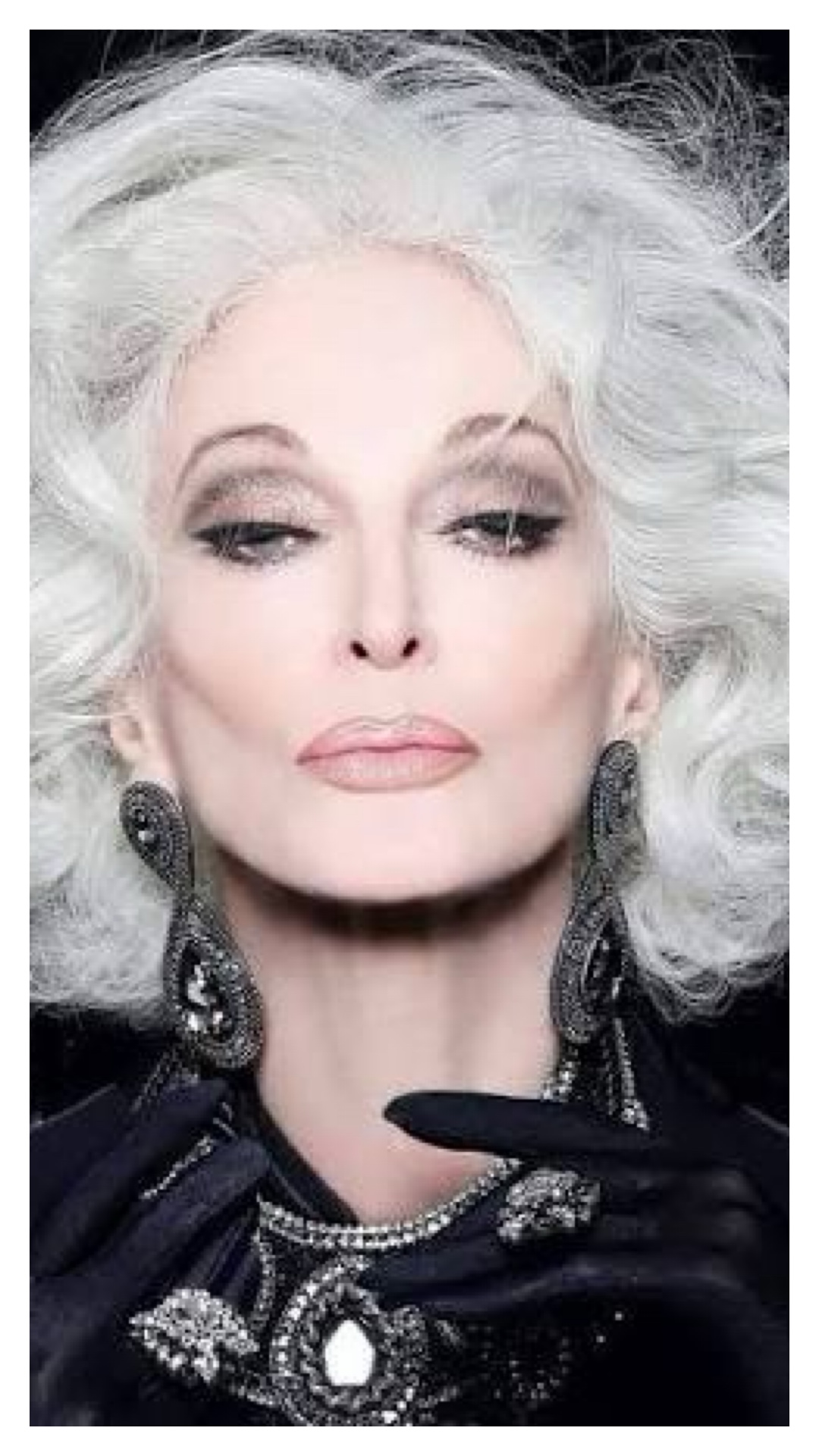
Carmen Dell’Orefice remains the most enduring symbol of mature beauty in fashion. Widely recognized as the world’s oldest working model, she has maintained a career that stretches across generations. Her longevity has made her more than a model; she has become an emblem of fashion’s ability to evolve.


Dell’Orefice’s career challenges the idea that a model’s value is temporary. She has demonstrated that the camera can respond to depth, elegance and individuality as powerfully as it responds to youth. Her continued work has also helped normalize the sight of older women in fashion environments where they were once largely absent.


The influence of Dell’Orefice can be seen in the opportunities now emerging for other mature models. While she may be exceptional, her career has helped expand the limits of what the industry considers possible. Each appearance contributes to a broader understanding that ageing does not erase beauty, creativity or professional value.


The rise of 40-plus models is also connected to changing consumer expectations. Audiences are increasingly skeptical of advertising that presents an unrealistic version of life. They respond to people who appear distinctive, credible and emotionally recognizable. Mature models can provide that connection, particularly for consumers who have rarely seen themselves represented in luxury campaigns.


Fashion’s commercial interests are evolving alongside its cultural values. Women over 40 possess considerable purchasing power, yet they have historically been underrepresented in brand imagery. Including them is not only a social statement; it is also a recognition of the market’s actual composition.