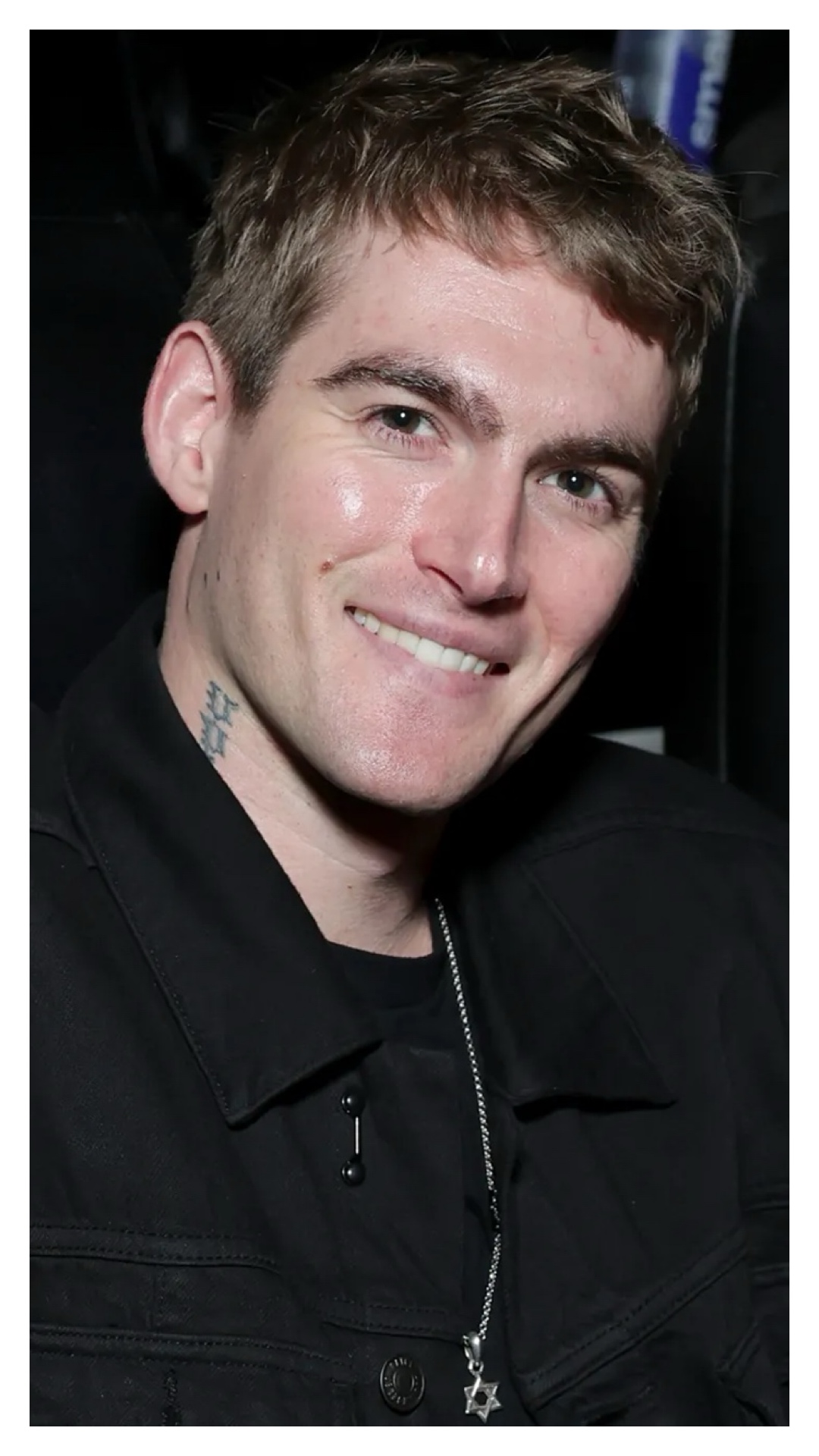
Presley Gerber Remembered as a Vulnerable Advocate for Mental-Health Awareness
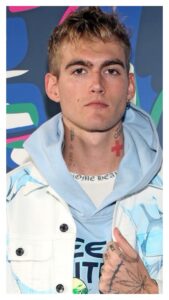
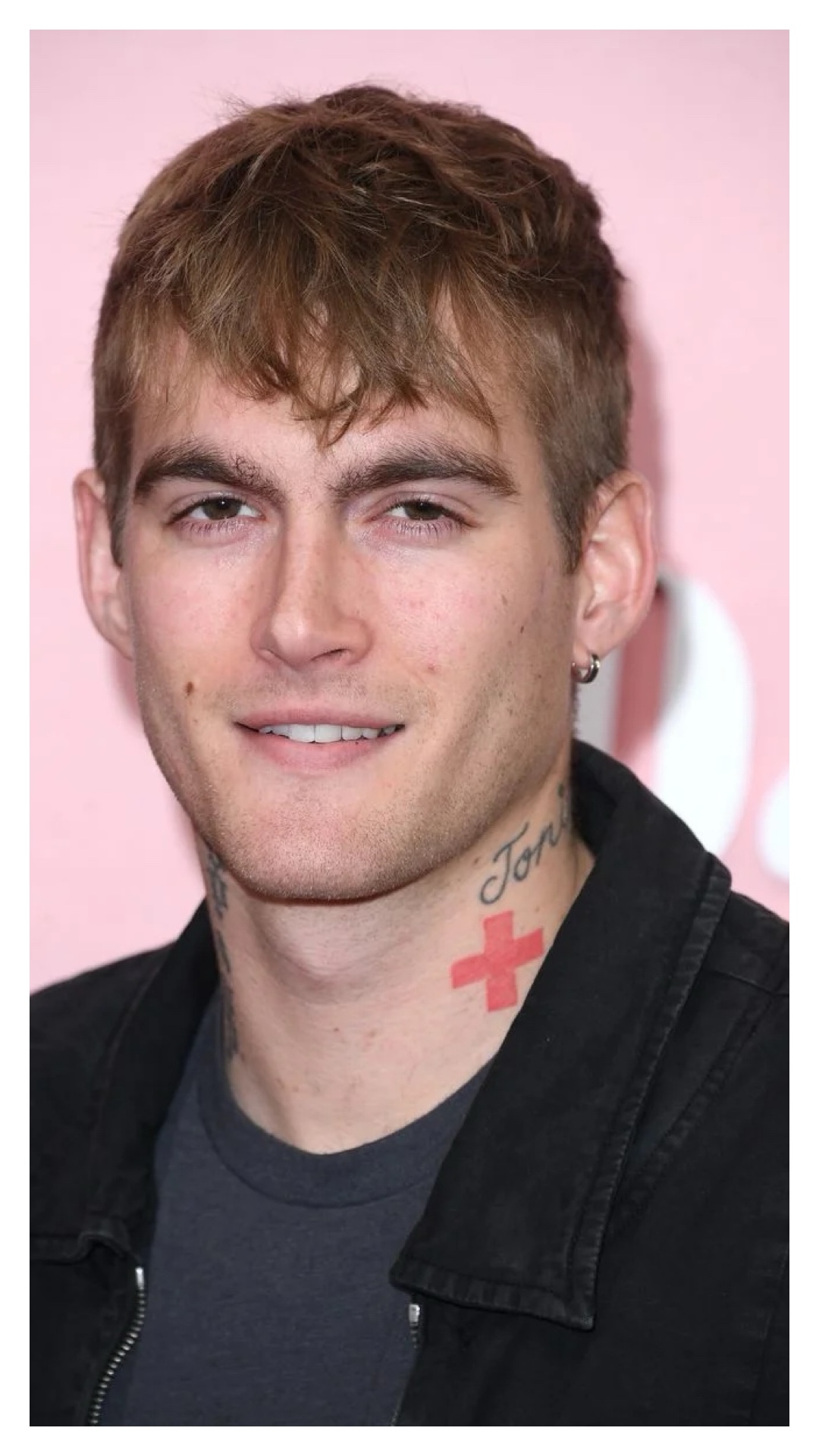
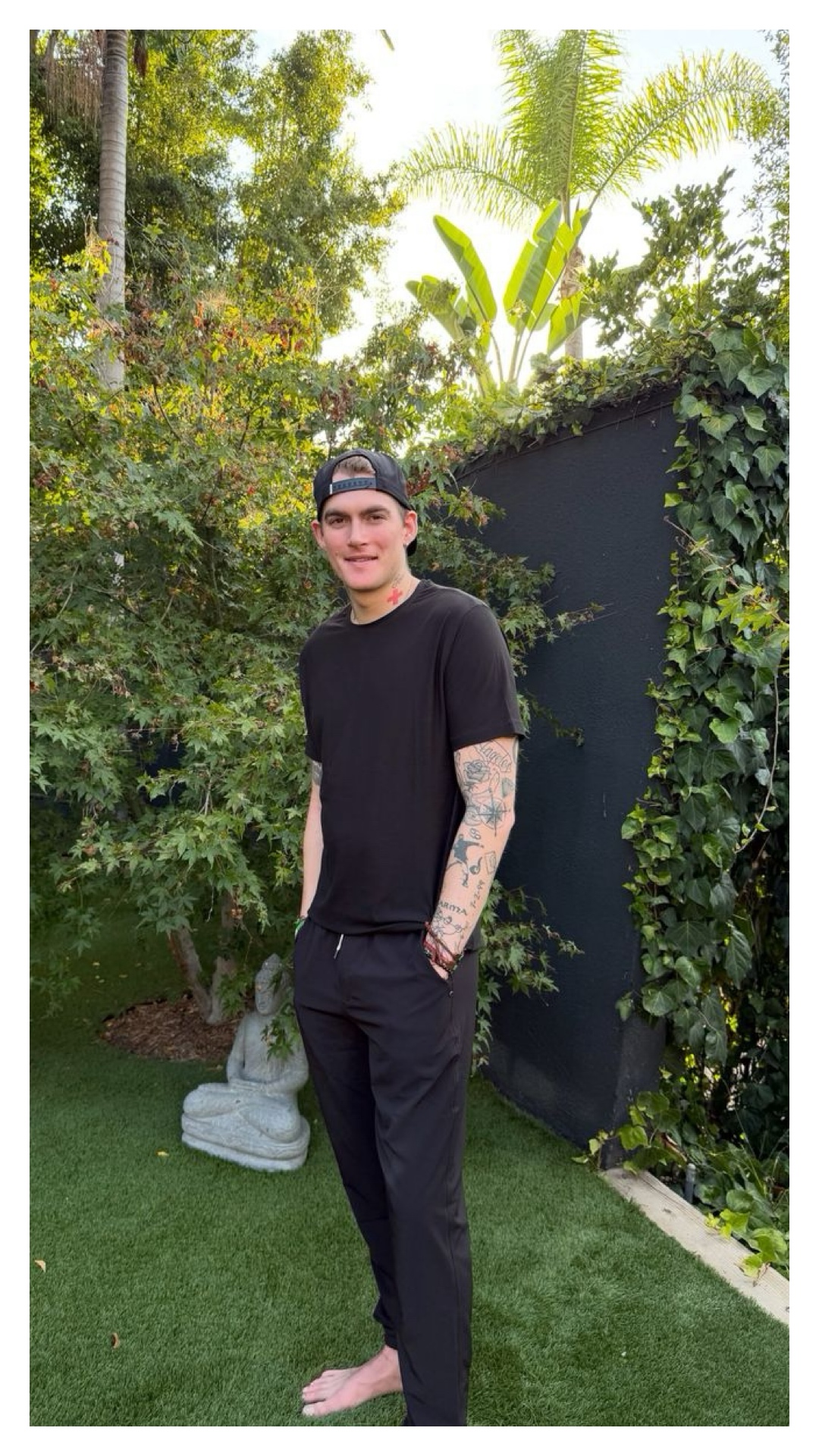
SAXS October 31, 2026Presley Gerber, the son of supermodel Cindy Crawford and businessman Rande Gerber, died on September 20, 2026, at the age of 27 while staying at a rehabilitation facility in California. His death has left his family and friends mourning a young man who had spent much of his adult life confronting depression, substance abuse and the pressures associated with public attention.
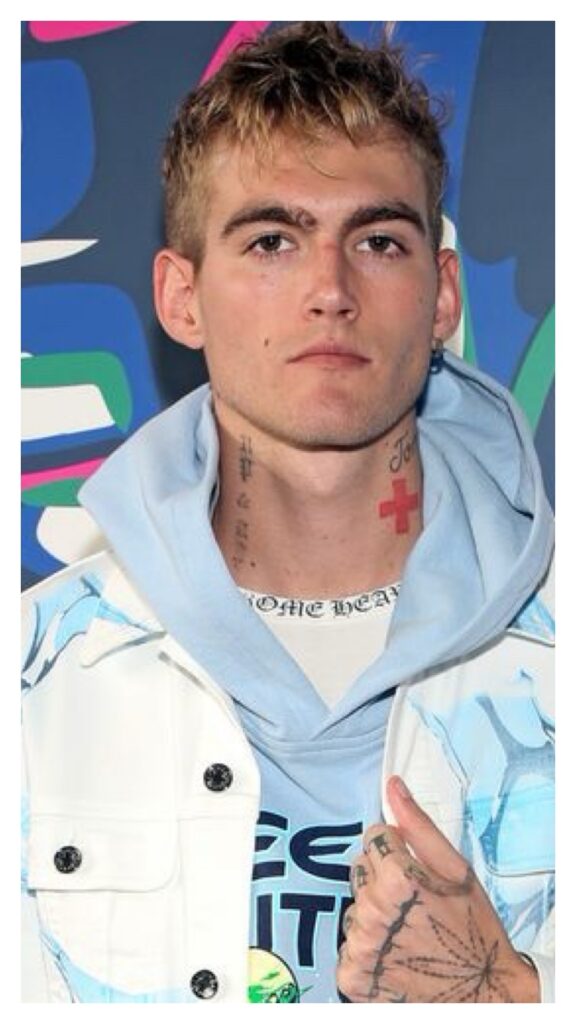
Presley Gerber Remembered as a Vulnerable Advocate for Mental-Health Awareness
Presley Gerber Remembered
The official cause of death has not been released. Police were reportedly investigating the case as a suspected overdose, although no indication of foul play had been reported. Authorities had not publicly confirmed the circumstances surrounding his death, and the family did not initially issue a detailed statement.
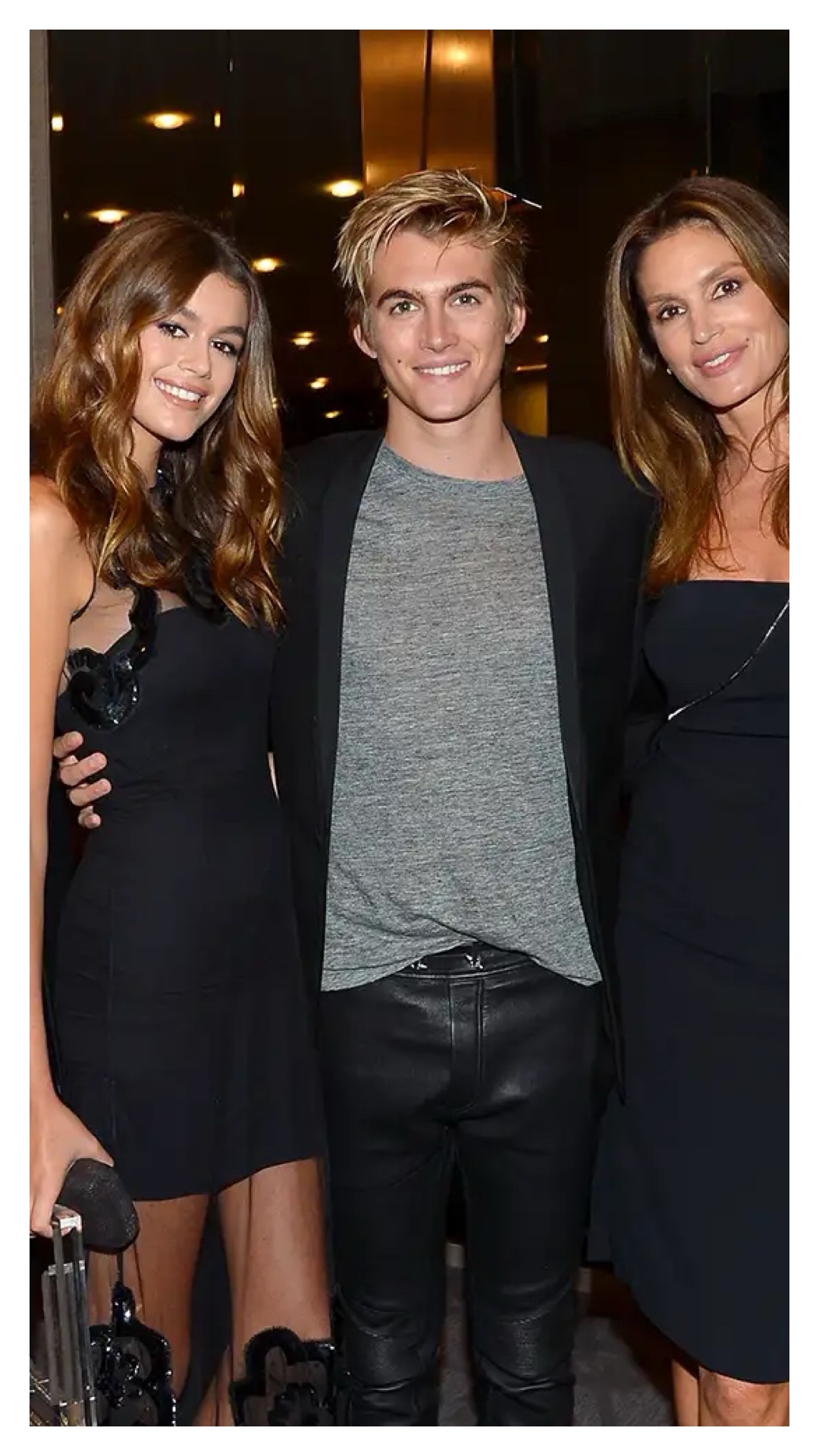
Gerber was the elder brother of model and actor Kaia Gerber. Together, the siblings grew up in one of the most recognizable families in the fashion and entertainment industries. Their mother became one of the defining faces of the modeling world during the 1980s and 1990s, while their father built a successful career in business and hospitality.
Although Presley was born into extraordinary privilege, people close to him described a young man who experienced the emotional difficulties that often remain hidden behind wealth and fame. His public discussions about depression and addiction gave his life a dimension beyond his family name. He used his social-media presence not only to share photographs and personal moments but also to address subjects that many people avoid discussing openly.
On October 18, Cindy Crawford, Rande Gerber and Kaia Gerber published a joint tribute on Instagram. The family said they were “beyond heartbroken” and remembered Presley as a kind and vulnerable person whom they loved deeply. The statement represented the family’s first major public response to his death and offered a rare glimpse into the grief they were experiencing privately.
The tribute did not focus on Presley’s status as the son of famous parents. Instead, it described him as a beloved family member whose sensitivity and warmth had shaped the lives of those closest to him. The wording reflected the family’s desire to remember Presley as an individual rather than as a celebrity figure.
Kaia later shared a separate tribute featuring childhood photographs and videos of the siblings. The images showed the pair at different stages of their lives, offering followers a more intimate view of their relationship. The post presented Presley as an affectionate older brother and a familiar presence in Kaia’s childhood.
The siblings had grown up under intense public scrutiny, yet much of their family life remained protected from the media. Their parents generally avoided turning their children’s private experiences into entertainment. As both siblings entered adulthood, however, their professional paths increasingly brought them into the public eye.
Kaia established herself as a model and actress, while Presley explored fashion and creative work. He appeared in modeling campaigns and was associated with the same industry that had made his mother famous. His career was sometimes viewed through the lens of his family connections, although those close to him emphasized the importance of his personality and personal interests beyond his surname.
Presley also became known for speaking about mental-health struggles. Through a social-media series titled “Mental Health Mondays,” he encouraged open conversations about depression, emotional distress and substance abuse. The project reflected his belief that people should feel less isolated when dealing with painful experiences.
The series addressed topics that are frequently treated as private or shameful. By speaking publicly about his own difficulties, Presley attempted to challenge the assumption that mental-health problems affect only people without money, family support or professional opportunities. His message suggested that emotional suffering can exist even when a person appears to have every external advantage.
Mental-health advocates have long noted that public conversations about depression and addiction can help reduce stigma, particularly when those discussions come from people with large audiences. Presley’s posts did not present him as an expert or medical professional. Rather, he spoke from personal experience and used his platform to encourage others to acknowledge struggles they might otherwise conceal.
His death has renewed attention on the gap between public visibility and private suffering. People who appear successful or well connected can still face serious mental-health challenges. Families may provide emotional and financial support, but those forms of assistance do not always prevent a crisis or eliminate the effects of addiction.
The circumstances surrounding Presley’s death remain under investigation. A suspected overdose, if confirmed, would place his death within a wider public-health crisis that has affected families across the United States and around the world. Substance-related deaths have repeatedly demonstrated that addiction is not confined to one social class, profession or age group.
For the Gerber family, the loss carries both personal grief and unwanted public attention. Cindy Crawford has spent decades under constant media observation, while Rande Gerber and their children have also faced interest because of their family’s prominence. The family’s statements about Presley were carefully focused on remembrance rather than speculation.
News of his death prompted condolences from figures in entertainment and fashion. Taylor Lautner, Patrick Schwarzenegger, Suki Waterhouse and Paris Hilton were among those who shared messages publicly. Their responses reflected the close social circles surrounding the Gerber family and illustrated how Presley’s death affected people beyond his immediate relatives.
Many of the tributes described him in personal terms rather than emphasizing his family background. Friends and acquaintances remembered his kindness, openness and willingness to discuss difficult subjects. Such recollections contributed to an image of a young man who was deeply sensitive and determined to connect with others, even while managing his own struggles.
The public response also highlighted the complicated relationship between celebrity culture and grief. Well-known families often have little control over how quickly private tragedy becomes public news. At the same time, their experiences can draw attention to issues that affect millions of people whose stories receive little coverage.
Presley’s decision to discuss mental health had already placed him within a growing movement of public figures who speak openly about depression, addiction and recovery. Over the past decade, many celebrities have used their platforms to challenge the idea that acknowledging emotional pain represents weakness. Their statements have helped normalize therapy and treatment, although public discussion alone cannot replace professional care.
Rehabilitation facilities are designed to provide structured assistance to people dealing with addiction and related conditions. Staying at such a facility can represent an effort to seek help, begin recovery or maintain stability. It can also demonstrate how difficult recovery may be, even when a person has access to resources and support.
Presley’s reported stay at a California rehabilitation center adds another layer to the family’s loss. It indicates that he had been dealing with challenges serious enough to require an organized treatment environment. Details about his treatment, medical history and final days have not been publicly disclosed.
The absence of an official cause of death means that many questions remain unanswered. Speculation can cause additional pain for grieving relatives and may obscure the person being mourned. Until authorities release confirmed information, the circumstances should be treated cautiously.
For those who knew Presley, his legacy is likely to be shaped less by the details of his death than by the conversations he tried to begin during his life. His “Mental Health Mondays” series encouraged people to speak about experiences that are often hidden behind carefully managed public images. That message may continue to resonate with people who recognize their own struggles in his story.
His life also illustrates the limits of assumptions based on appearance. Presley was part of a wealthy, famous family, but his public comments showed that emotional suffering cannot be measured by financial circumstances or social status. Depression and addiction can affect people who appear supported, successful and secure.
Cindy Crawford, Rande Gerber and Kaia Gerber have not provided a detailed account of Presley’s final months. Their public tributes instead concentrated on love, family memories and the qualities they valued in him. That approach has allowed them to acknowledge the public’s concern while preserving boundaries around their grief.
The photographs shared by Kaia offered a visual record of a relationship that existed long before either sibling became a public figure. Childhood memories, private jokes and family traditions are often more meaningful to relatives than professional achievements. Her tribute appeared to emphasize that Presley was, above all, her brother.
Presley Gerber’s death has left unanswered questions for investigators and profound grief for his family. It has also drawn attention to the importance of honest conversations about depression, addiction and recovery. His public advocacy cannot explain every aspect of his life, but it remains part of how many people will remember him.
For a family accustomed to cameras, the most significant memories may now be the ones that were never intended for public view: childhood videos, family gatherings and quiet moments shared between siblings. Those personal memories will remain central to the Gerbers as they mourn the loss of a son and brother whose life, despite its difficulties, touched many people.