Beyond the Sample Size: How Plus-Size Models Are Reshaping Fashion
SAXS November 5, 2026For decades, the fashion industry operated around a narrow definition of beauty. Runways, magazine covers and advertising campaigns were largely dominated by models who fit a limited sample size, leaving millions of consumers with little representation in the imagery used to sell clothing and beauty products. That pattern is gradually changing. Plus-size models are increasingly appearing in major campaigns, walking high-profile runways and earning recognition once reserved almost exclusively for straight-size figures.
How Plus-Size Models Are Reshaping Fashion
Beyond the Sample Size
The shift is visible both on and off the runway. Major designers and advertising agencies are expanding their casting decisions, while fashion houses are beginning to acknowledge that representation is not simply a cultural statement but also a commercial necessity. Consumers have become more vocal about the need to see bodies that resemble their own, and brands are responding with broader campaigns and more inclusive product ranges.
Progress has not arrived without resistance or contradiction. The industry continues to face criticism over limited sizing, tokenistic casting and the tendency to celebrate a small number of prominent models while leaving many others without consistent opportunities. Even so, the growing presence of plus-size models marks a significant departure from the fashion landscape of previous decades.
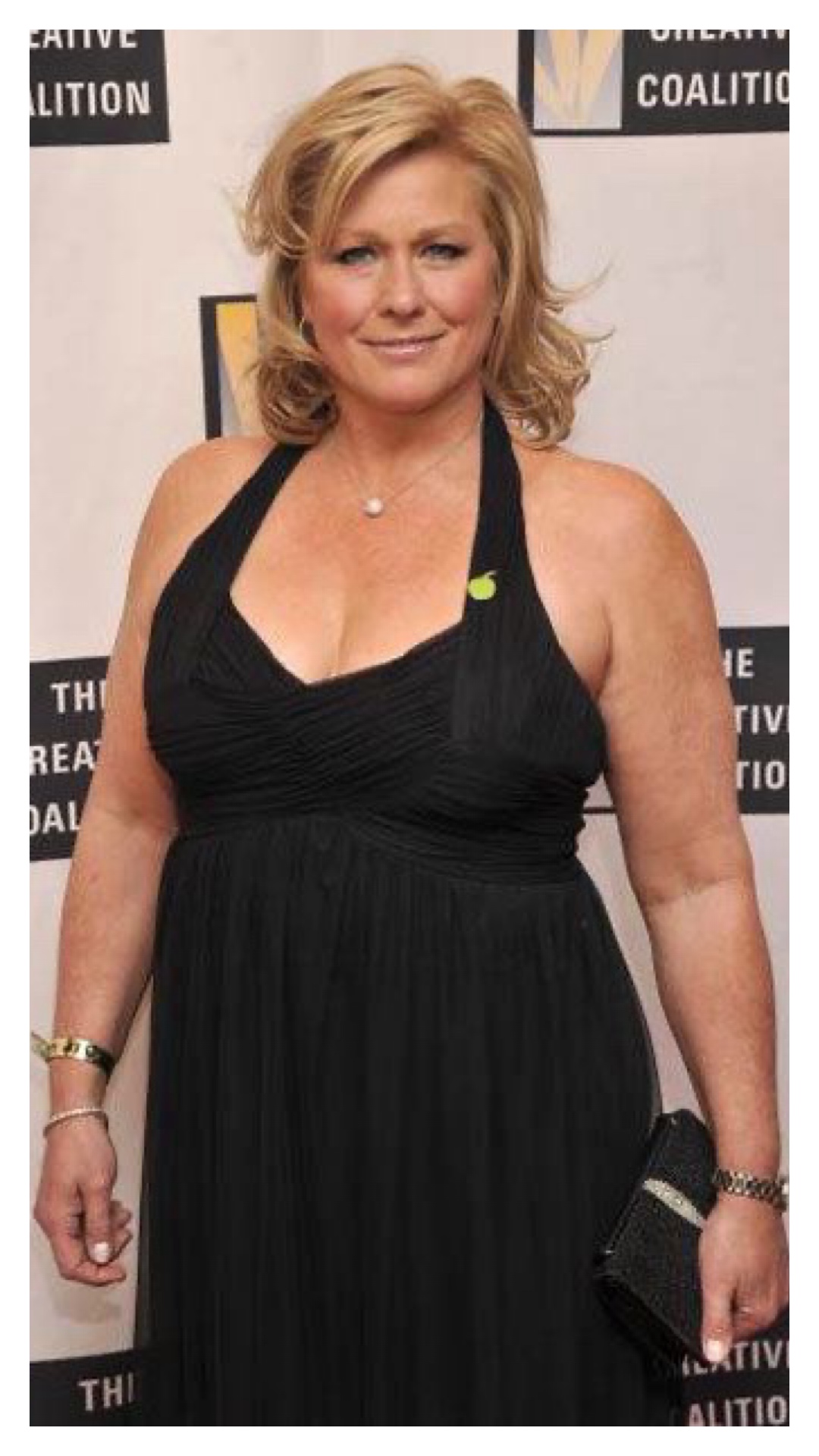
Emme
One of the most important figures in that history is Emme, born Melissa Owens Miller, who is widely recognised as the world’s first mainstream plus-size model. During the 1990s, she became a highly visible figure at a time when the fashion industry rarely placed larger bodies at the centre of public attention. Her work helped challenge the idea that fashion visibility belonged exclusively to a single body type.
Emme’s influence extended beyond modelling. Her success helped demonstrate that plus-size women could become recognisable public figures while working with major brands and appearing in mainstream media. She entered an industry that often treated size diversity as a niche concern, yet her career helped establish plus-size modelling as a legitimate part of the fashion business.
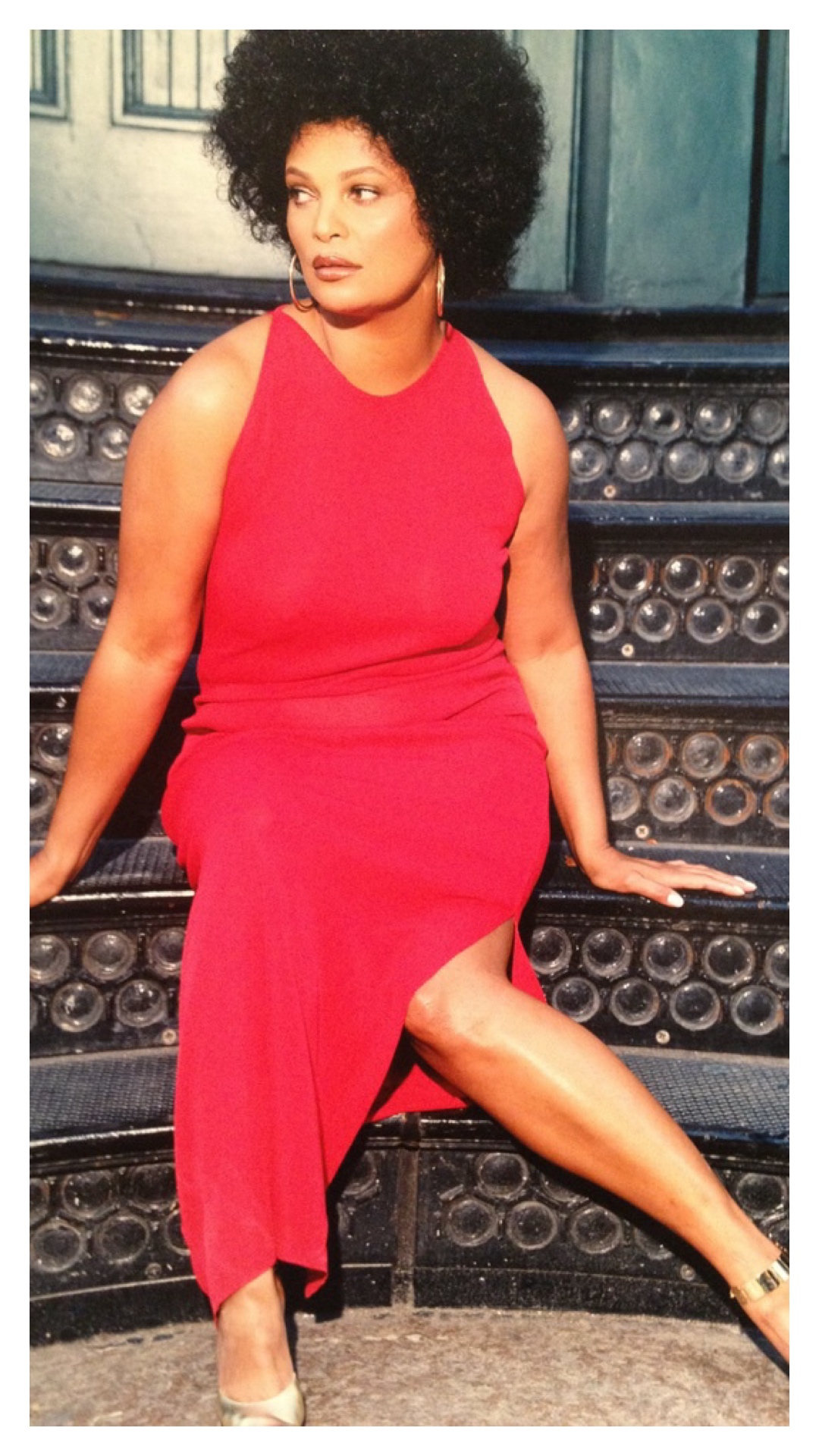
Angellika Morton
Another major milestone came in 1999, when Angellika Morton became the first plus-size model inducted into the International Model Hall of Fame. The recognition represented more than an individual achievement. It acknowledged the contribution of models who had spent years challenging the standards that governed professional fashion and beauty imagery.
Morton’s induction also highlighted the gap between the influence of plus-size models and the formal recognition they received. For years, many of these models had built audiences and helped brands connect with underserved customers, but their accomplishments were often excluded from conventional fashion histories. Her place in the Hall of Fame offered a public acknowledgement that the industry’s development had not been shaped by straight-size models alone.
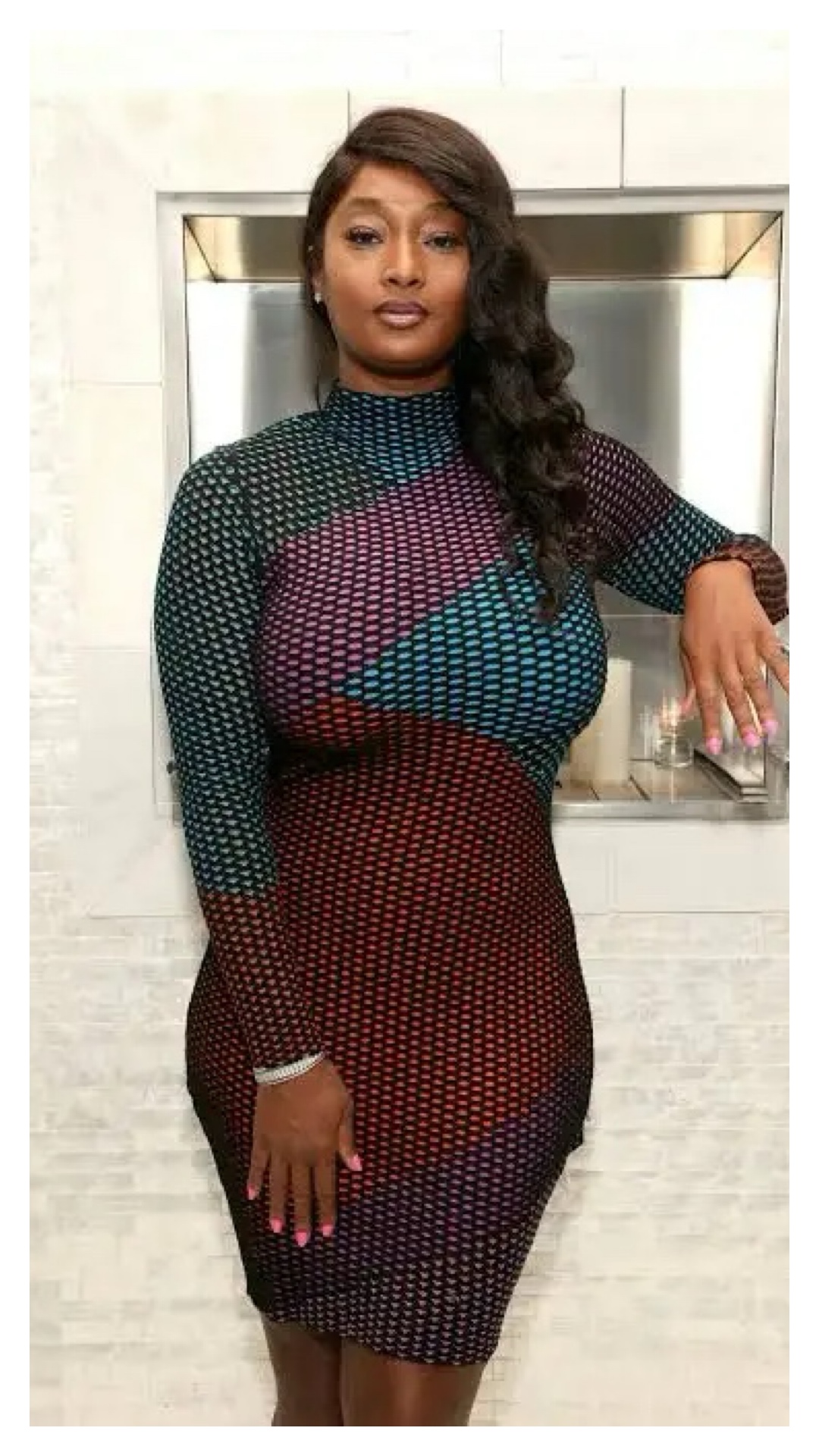
Toccara Jones
Television provided another route into the mainstream. Toccara Jones gained widespread attention after appearing on America’s Next Top Model, where her confidence and personality made her one of the show’s most memorable contestants. Her later appearance in Vogue Italia became a landmark moment, making her the first plus-size model to be featured in the influential fashion magazine.
Jones’s achievement mattered because Vogue Italia had long been associated with high fashion, editorial experimentation and cultural authority. Her inclusion challenged the belief that plus-size bodies were suitable only for commercial catalogues or specialist publications. The appearance positioned her within a world that had historically maintained strict boundaries around the bodies considered worthy of editorial prestige.
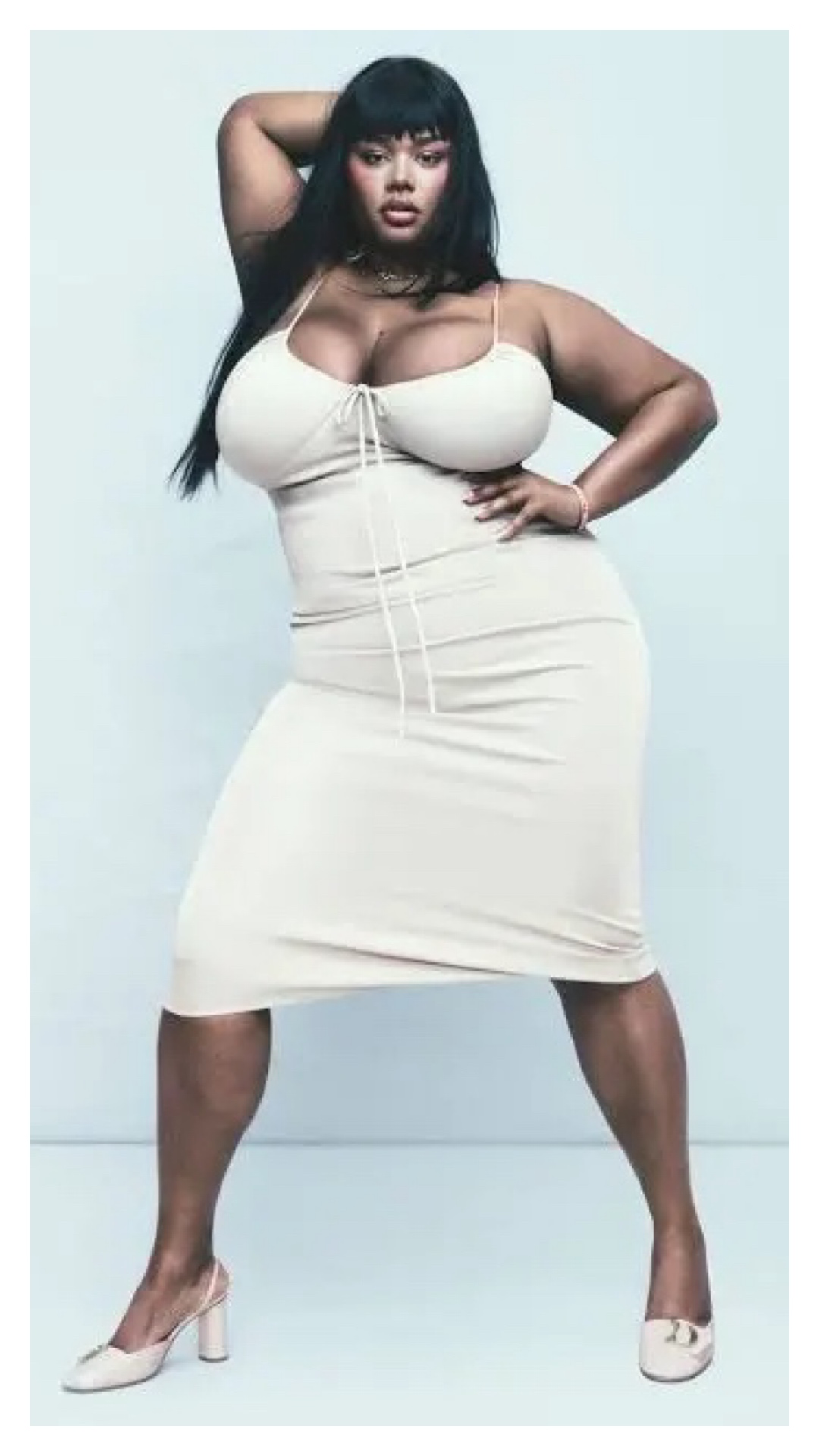
Precious Lee
Representation also began to shift through a racial lens. Precious Lee made history as the first Black plus-size model to appear in American Vogue. Her achievement addressed two forms of exclusion at once: the underrepresentation of larger bodies and the limited visibility of Black women in some of fashion’s most influential spaces.
Lee’s career has helped broaden the public understanding of what a fashion model can look like. Her appearances have placed a Black plus-size woman in campaigns, editorials and major fashion environments that were once difficult for models outside the industry’s traditional ideal to enter. Her success has also given greater visibility to the intersection of race, size and beauty standards.
Ashley Graham
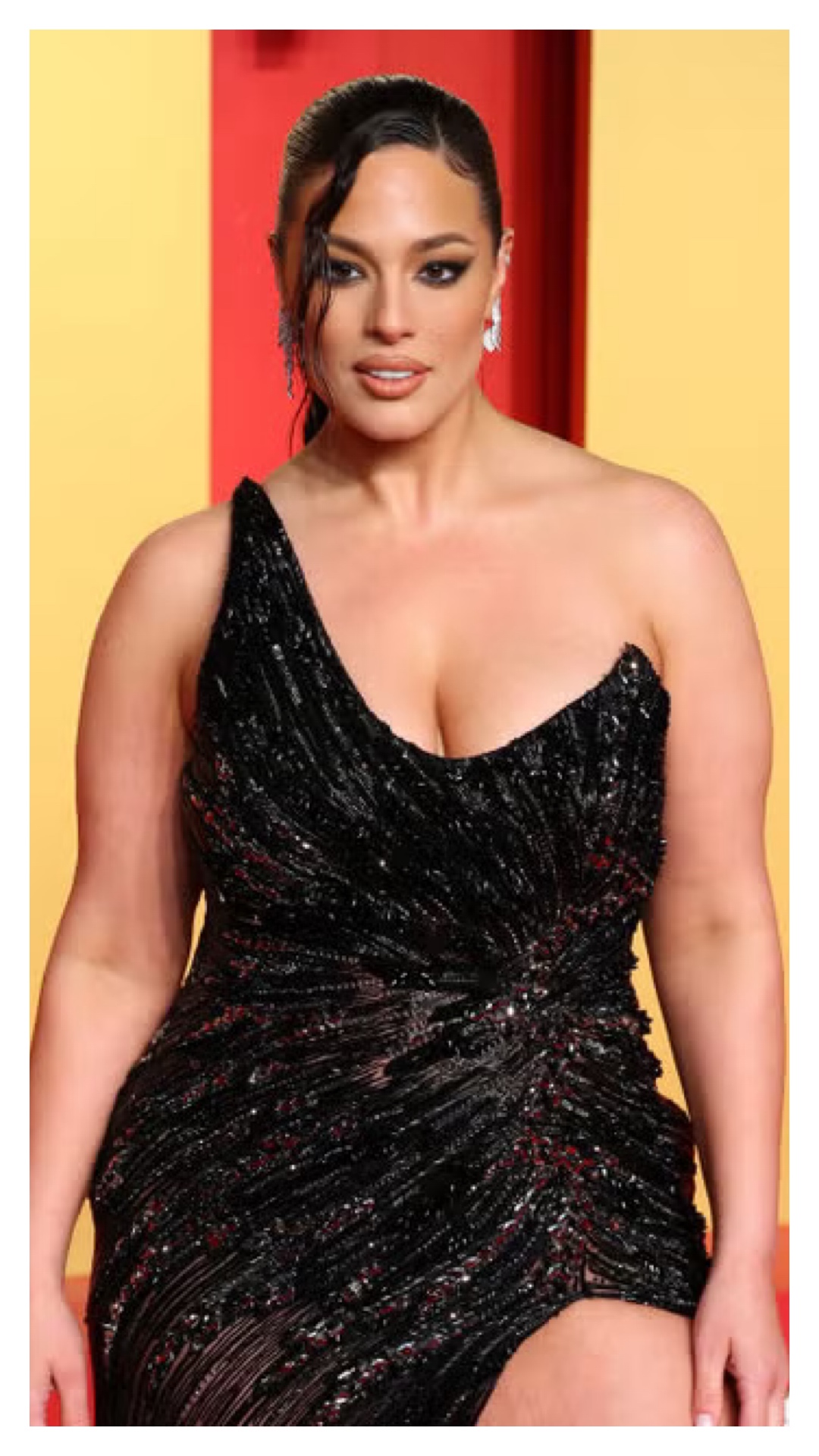
Ashley Graham became another defining figure in the movement. She made history as the first plus-size model to appear in Sports Illustrated, a publication traditionally associated with athletic physiques and highly controlled images of the female body. Her appearance represented a striking change in the type of figure that could be presented as desirable, glamorous and worthy of mainstream attention.
Graham’s visibility helped bring discussions about body representation into homes far beyond the fashion industry. She became a familiar name to audiences who might not regularly follow fashion publications, increasing public awareness of the barriers faced by plus-size models. Her success also encouraged other brands to consider whether their campaigns reflected the diversity of their customers.
Liris Cross
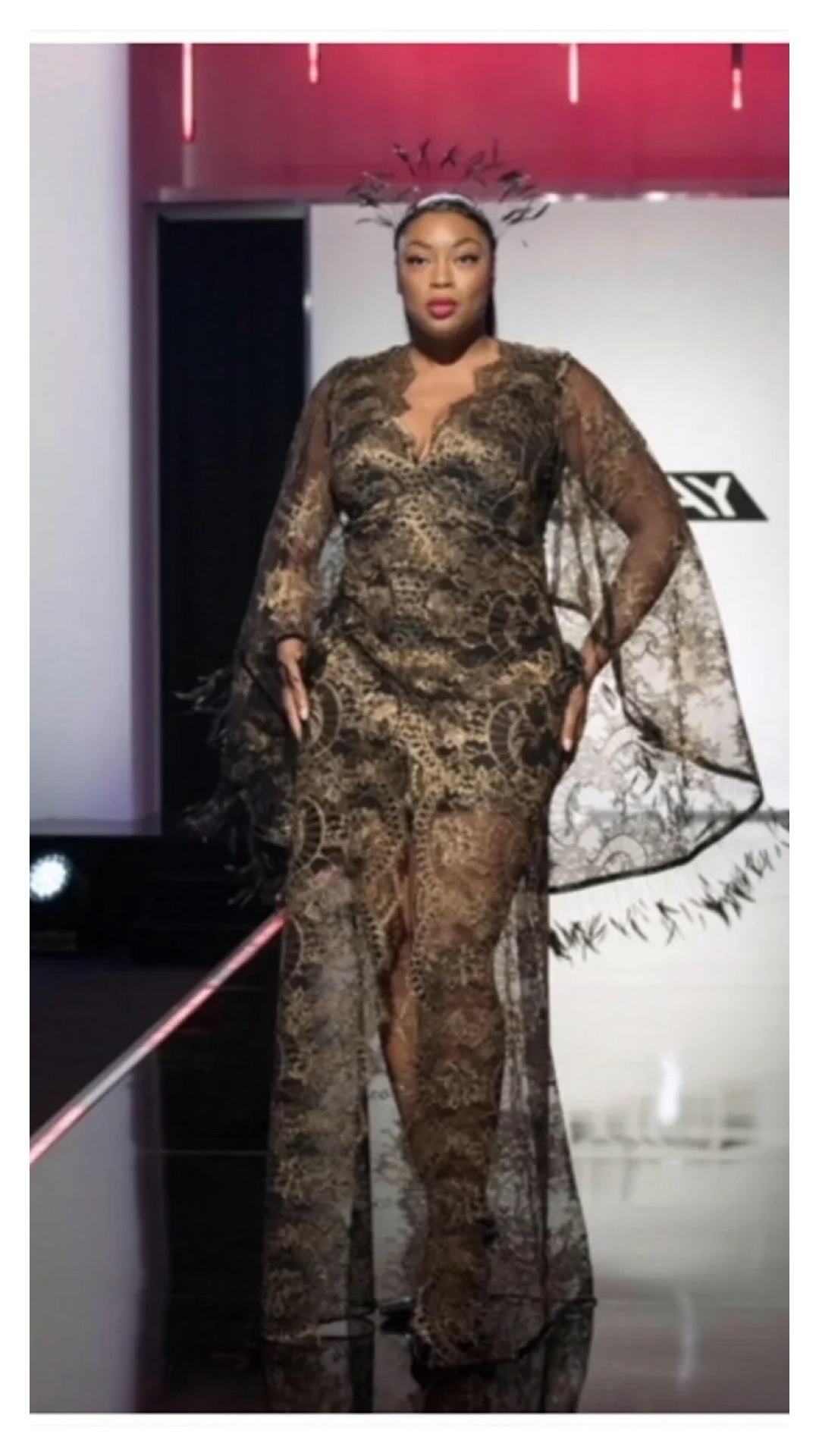
A further breakthrough arrived through fashion competition television. Liris Cross made history by becoming the first plus-size model to win Project Runway. Her victory demonstrated that plus-size representation could extend beyond modelling and into the professional recognition of designers, contestants and creative talent working within fashion.
Cross also became associated with an example of self-advocacy. After making her case on Instagram that she should be included in Christian Siriano’s New York Fashion Week show, she ultimately walked for the former Project Runway winner. The moment illustrated the growing role of social media in challenging traditional gatekeepers. Models no longer had to depend entirely on agencies, editors or casting directors to determine whether they belonged in a major fashion event.
Digital platforms have transformed how models build careers and communicate with audiences. Social media allows them to promote their work, question exclusion and speak directly to brands. That access has not eliminated industry barriers, but it has made it more difficult for fashion companies to ignore public demand for wider representation.
Paloma Elsesser
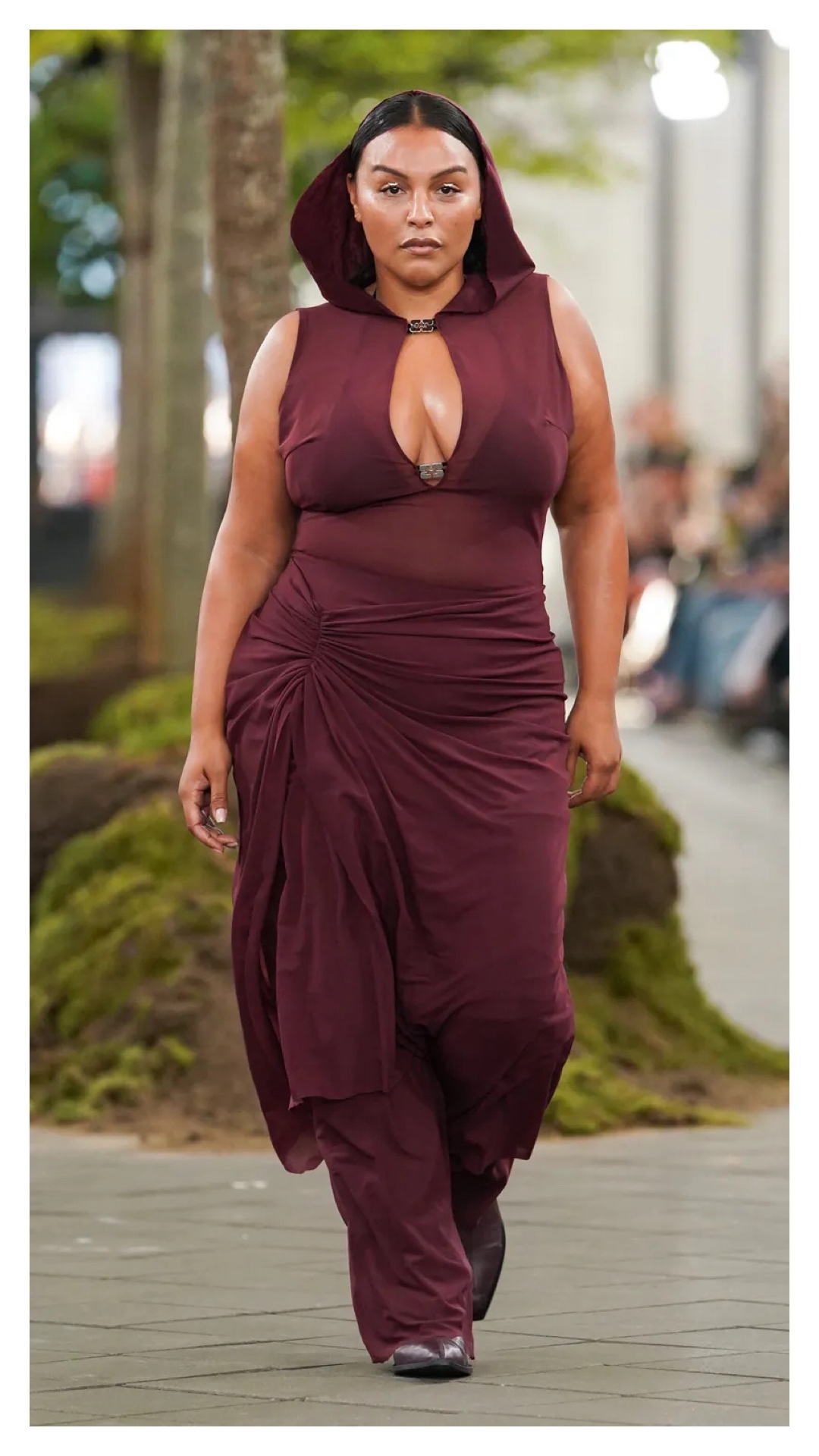
Paloma Elsesser has taken that progress into one of fashion’s most prestigious arenas. She became the first plus-size model to win the Fashion Awards’ Model of the Year title, an achievement that placed her at the centre of the industry’s official recognition system. The award signalled that plus-size models were not merely being added to existing spaces; they were also being considered among the most influential professionals in fashion.
Elsesser’s recognition marked a turning point in the language surrounding representation. Earlier milestones often focused on being the first person with a particular body type to appear in a publication or campaign. Her award reflected a broader acceptance of plus-size modelling as a central part of contemporary fashion rather than an exception to the norm.
Ali Tate Cutler
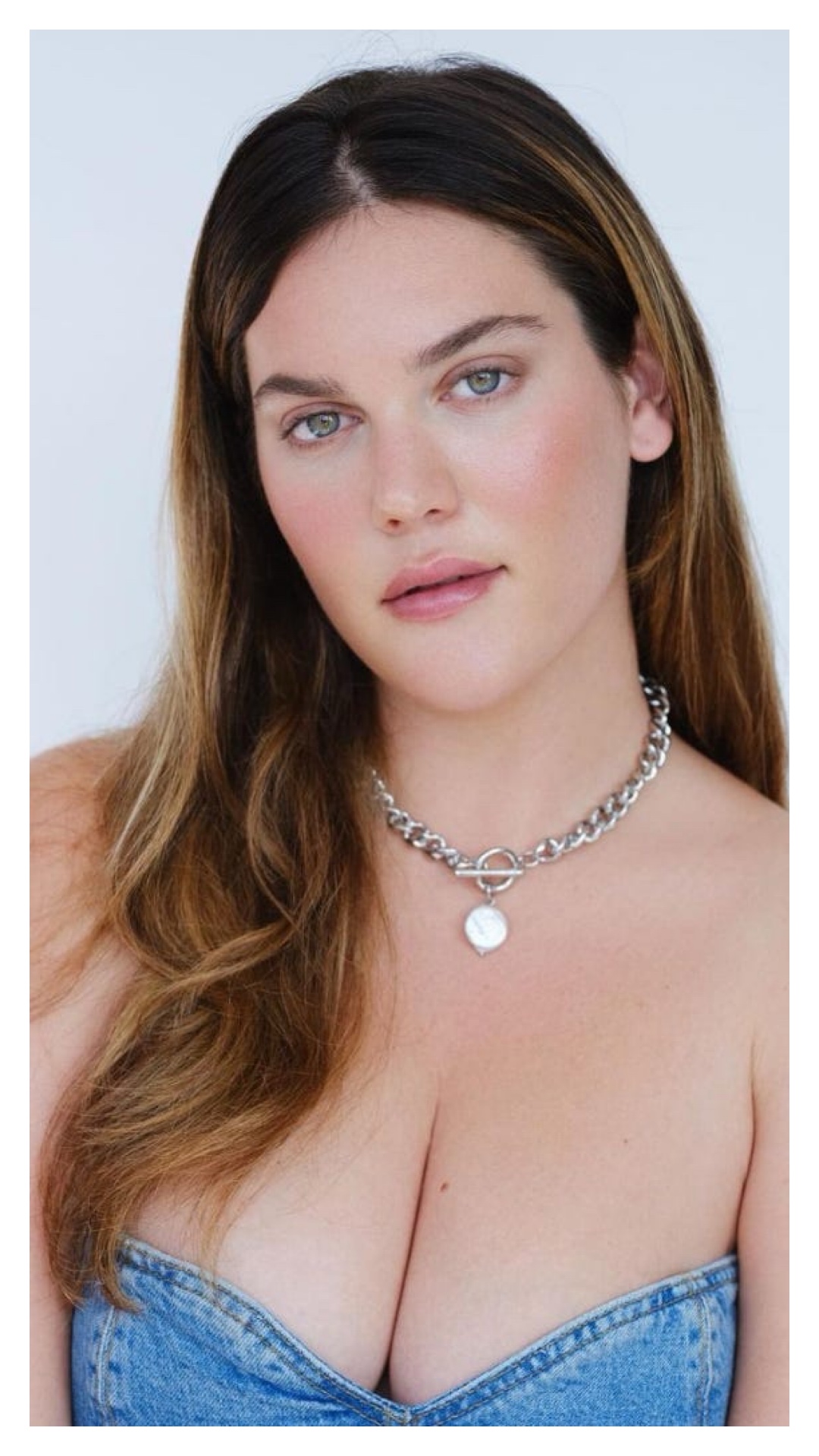
Victoria’s Secret has also become a prominent example of the industry’s changing direction. Ali Tate Cutler became the brand’s first official plus-size model in October 2019, when she appeared in a campaign connected to Victoria’s Secret’s collaboration with British lingerie label Bluebella. The decision attracted considerable attention because Victoria’s Secret had previously been associated with a very narrow and highly stylised image of femininity.
Cutler’s casting indicated that even the most recognisable lingerie brands were facing pressure to reconsider their approach. For years, critics had argued that Victoria’s Secret failed to reflect the diversity of women who purchased lingerie. The company’s decision to include a plus-size model suggested that the brand was beginning to respond to changing expectations.
Victoria’s Secret later rebranded and brought back its famous runway show with a more inclusive casting strategy. The revamped event included curve and plus-size models on the catwalk for the first time, a decision that would have been difficult to imagine during the brand’s earlier period of dominance.
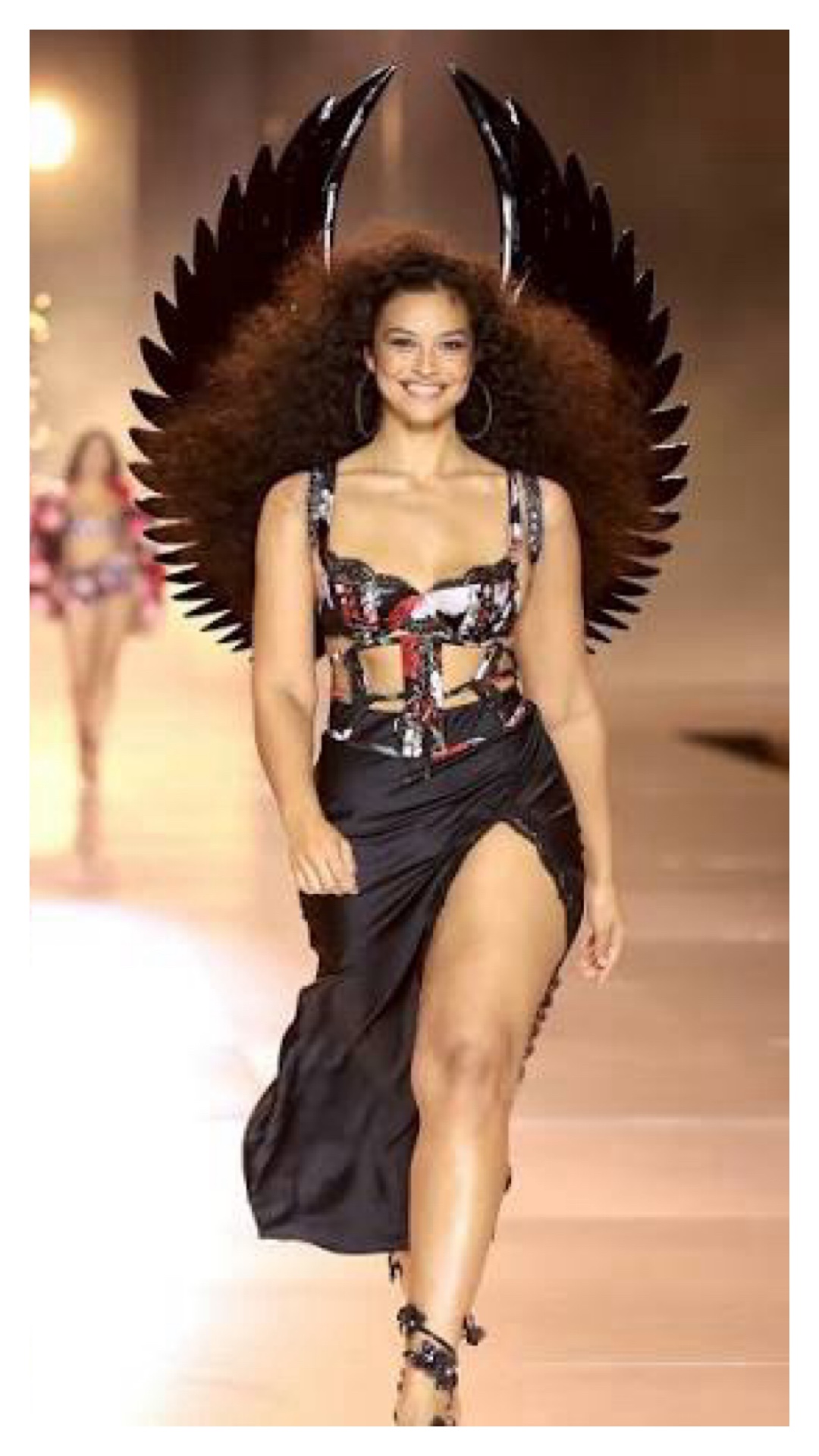
Devyn Garcia
Ashley Graham, Paloma Elsesser, Precious Lee and Devyn Garcia were among the plus-size models to walk in the Victoria’s Secret show. Their participation represented a notable change in the visual identity of an event that had once presented a particularly narrow version of beauty. The presence of several curve models also suggested an attempt to move beyond one-person representation, in which a single model is expected to stand for an entire community.
Despite these advances, the industry’s progress remains incomplete. Greater visibility does not automatically guarantee equal pay, long-term employment or genuine access to the same professional opportunities available to straight-size models. Many brands continue to offer limited plus-size ranges, and some campaigns feature larger models without making meaningful changes to their products or business practices.
Critics have also warned against treating inclusion as a trend. A model may appear in a high-profile campaign while consumers still struggle to find fashionable clothing in extended sizes. Genuine change requires more than casting decisions. It involves design, manufacturing, retail distribution, leadership and the willingness to treat size diversity as a permanent part of the fashion market.
The achievements of Emme, Angellika Morton, Toccara Jones, Precious Lee, Ashley Graham, Liris Cross, Paloma Elsesser, Ali Tate Cutler and others have nevertheless altered the conversation. Each milestone has challenged a separate assumption: that plus-size models cannot represent mainstream beauty, that they do not belong in high fashion, that they cannot command editorial authority or that they are unsuitable for prestigious awards and international runways.
Their careers have also created greater space for emerging models. The next generation enters an industry that remains imperfect but is no longer entirely closed to them. Young models can point to established precedents, major campaigns and award-winning careers as evidence that a body outside the traditional sample size can occupy the centre of fashion.
The plus side of fashion is therefore not limited to the appearance of larger models on catwalks or magazine covers. The broader change involves who is permitted to be seen, celebrated and taken seriously. Every major breakthrough has helped weaken the old assumption that fashion belongs to only one kind of body.
As designers, advertisers and media organisations continue to respond to public expectations, plus-size representation is likely to remain an important measure of the industry’s credibility. The most meaningful progress will come when inclusion no longer depends on historic firsts and becomes an ordinary part of fashion’s everyday practice.