A Ghostly Romance: Inside the Making of Emma Roberts’ Ethereal Sun Valley Wedding
SAXS July 26, 2026Sun Valley, Idaho, provided a picturesque, mountainous backdrop for a celebration that felt less like a standard celebrity wedding and more like a scene plucked from a gothic fairy tale. Emma Roberts, known for her roles in “American Horror Story” and “We’re the Millers,” exchanged vows with Cody John at his family estate, creating an atmosphere that was deeply personal, intimate, and steeped in a specific, haunting aesthetic. The centerpiece of this weekend was a custom-made Monique Lhuillier gown that defied the conventional expectations of Hollywood bridal fashion, opting instead for a vision the actress described as an “antique ghost doll.”
A Ghostly Romance: Inside the Making of Emma Roberts’ Ethereal Sun Valley Wedding
A Ghostly Romance
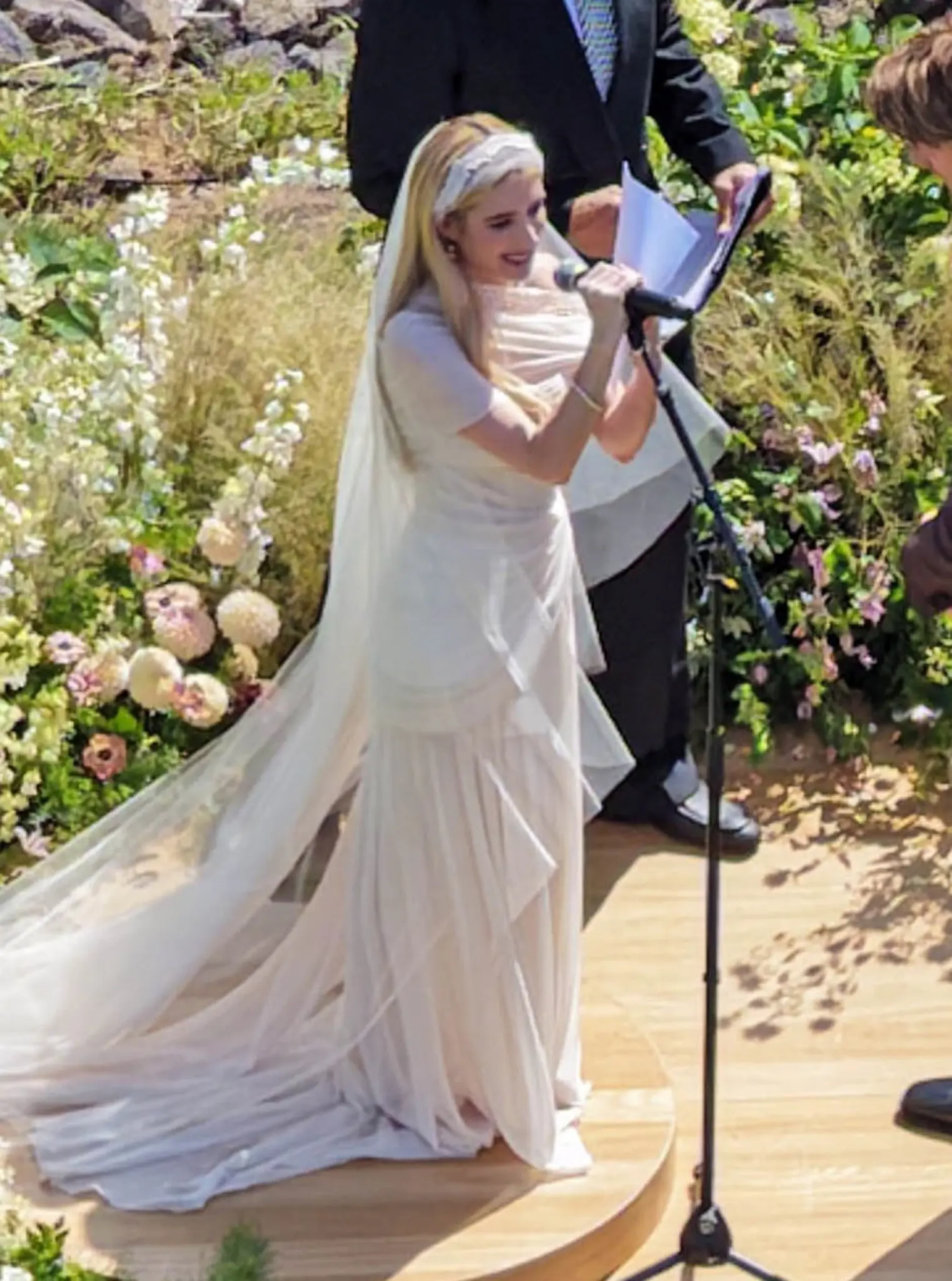
Monique Lhuillier, a designer long celebrated for her romantic and feminine touch, spent nine months and approximately 1,000 hours of labor perfecting the gown. This was not a project of mere convenience; it was a deep dive into the actress’s personal archives of inspiration. Roberts, a self-proclaimed lover of antique books and treasure hunting, wanted her wedding attire to reflect her passion for collecting old ephemera. The result was an off-white, tea-stained-effect gown that felt as if it had been discovered in a forgotten trunk in a Victorian attic, rather than constructed in a modern atelier.
Silk chiffon served as the primary medium, chosen specifically to impart an “ethereal, romantic, and vintage-inspired” quality to the silhouette. Lhuillier developed a custom color for the fabric, which she dubbed “Vintage Rose,” a subtle but meaningful nod to the bride’s middle name. This hue, combined with the tea-stained effect, stripped away the stark, clinical brightness often associated with modern bridal wear, replacing it with a soft, lived-in warmth that perfectly complemented the rustic, natural beauty of the Idaho landscape.
Construction of the gown involved more than just aesthetic choices; it required technical innovation to ensure the bride could participate fully in her own celebration. Lhuillier built a corset into the bodice to provide structure and shape, while incorporating a high slit in the skirt. This design feature was essential, offering Roberts the freedom of movement necessary for a day that would transition from a formal ceremony to a lively reception. The balance between the restrictive, antique-inspired corset and the liberating, high-slit skirt represented the duality of the bride’s vision: a look that was both historical and functional.
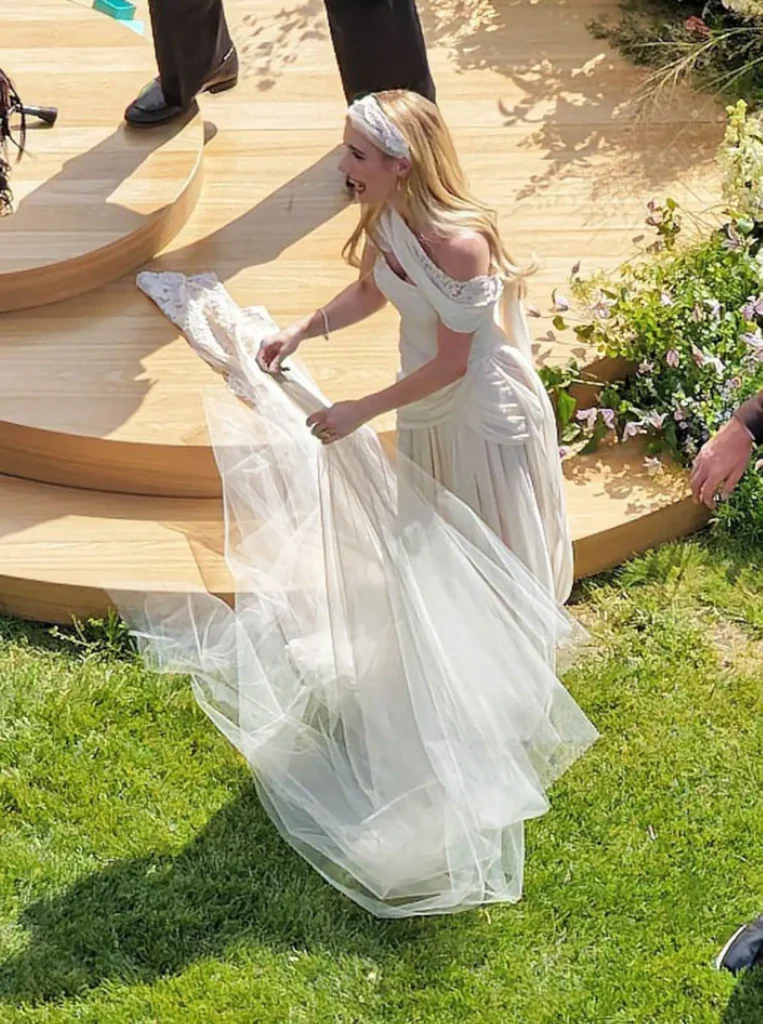
Versatility played a significant role in the planning of the ensemble. Lhuillier and Roberts collaborated on a detachable asymmetrical shawl, a piece that allowed the gown to transform throughout the day. For the ceremony, the shawl provided a layered, soft coverage that added to the “ghostly” silhouette. Once the vows were exchanged and the party began, the shawl could be removed, revealing a sleek, strapless look that felt more appropriate for dancing and socializing. This adaptability was a hallmark of the collaborative process, ensuring that the bride was never tethered to a single, static look.
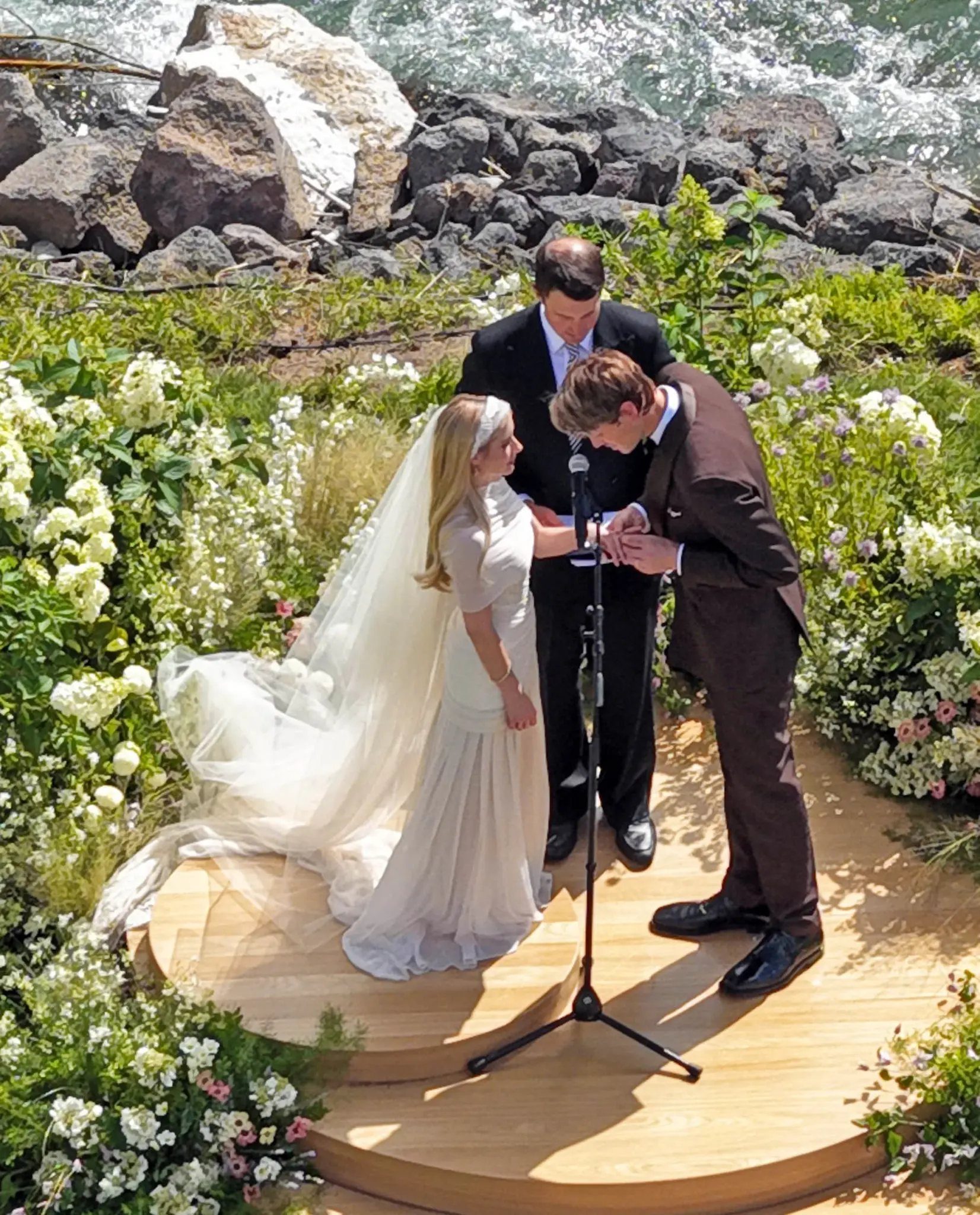
Veils were another area where the bride sought to blend tradition with personal flair. She chose to wear a traditional, sheer veil for the ceremony, maintaining the classic bridal aesthetic. However, she also incorporated a mini, Old Hollywood-style veil, long enough to cover her eyes. This specific accessory could be pushed back like a headband, offering a playful, retro-inspired detail that felt entirely consistent with her love for vintage treasure hunting. It was a subtle nod to the silver screen icons of the past, acknowledging her own profession while keeping the focus on her personal style.
Reflecting on the process, Roberts admitted that the experience of choosing a wedding dress was fraught with a unique kind of pressure. Having played a bride in previous film roles, she had already “tried on” the experience of bridal fashion in a professional capacity. This time, however, the stakes were entirely different. The reality of the moment—that this was the “real deal”—rendered the previous cinematic experiences surreal. She felt the weight of the decision, wanting to ensure that her gown was a true reflection of her identity rather than a costume designed for a character.
Lhuillier noted that the design was intended to be convertible, capable of creating “five looks” throughout the day. When the actress first tried on the finished gown, she described the feeling as being an “elfin fairy.” Her initial request to look like a “ghost” had been interpreted and refined into something beautiful, striking a balance between the eerie, melancholic aesthetic she craved and the elegance required for a wedding. When she finally revealed the dress to her bridal party, the emotional impact was immediate, with her mother, Kelly Cunningham, moved to tears by the sight.
John’s reaction to the ensemble was anticipated with a sense of calm. Roberts expressed a deep confidence in their partnership, noting that his affection for her was not dependent on her sartorial choices. She remarked that he would have been just as happy if she had walked down the aisle in jeans, a testament to the supportive and grounded nature of their relationship. This mutual ease allowed the bride to focus on her vision without the fear of judgment, creating a wedding day that felt authentic to their bond.
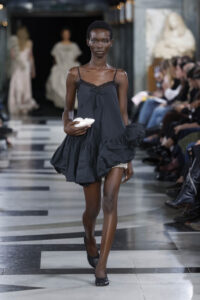
Post-ceremony, the celebration demanded a shift in tone, and the bride was prepared with a second, equally striking look. Lhuillier designed a reception ensemble consisting of a black Chantilly lace corset and a tea-length, hand-cut skirt made of layered silk organza. This look was inspired by a piece from the designer’s fall 2004 collection. The choice of black for an after-party outfit was deliberate, an “unexpected” move that signaled a departure from bridal norms. Roberts embraced the idea, noting that the piece felt as though it could have been vintage from a century ago or something entirely modern.
This black reception look served as a perfect counterpoint to the ethereal, off-white ceremony gown. It allowed the bride to lean into her love for the moody and the unconventional, ensuring that the party felt distinct from the solemnity of the ceremony. Idaho’s landscape provided the perfect, slightly wild setting for such an unconventional choice, with the bride and groom celebrating alongside their guests in a space that felt removed from the pressures of city life.
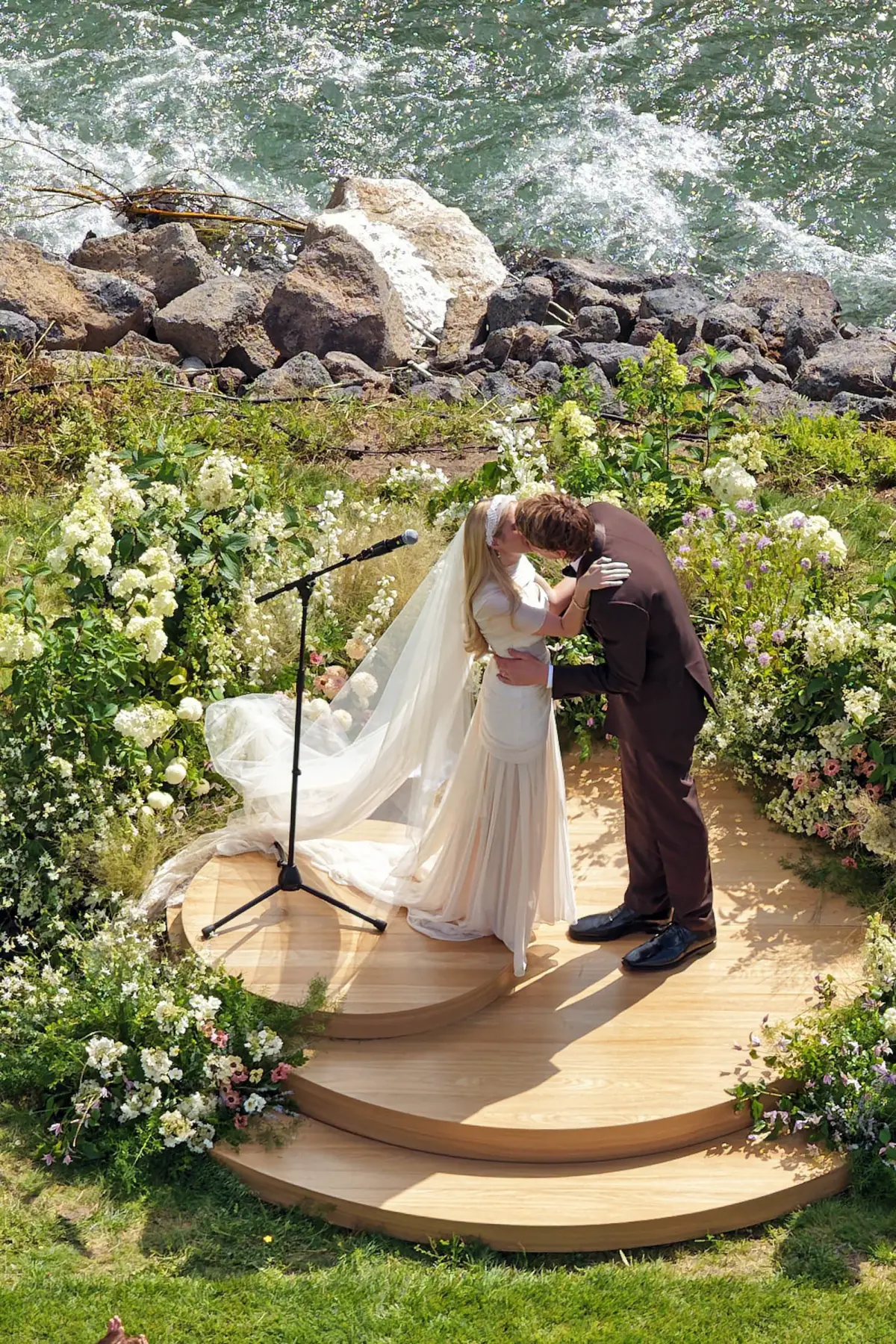
Cody John’s attire was equally considered, reflecting a cohesive vision for the event. He wore a custom Ferragamo look that included a double-breasted, shawl-collared evening jacket paired with matching pants. A classic white poplin shirt and a bowtie rounded out the ensemble. The choice of Ferragamo provided a sharp, tailored contrast to the soft, flowing textures of the bride’s gown, grounding the wedding in a sense of classic, refined masculinity that complemented the vintage-inspired aesthetic.
Sun Valley served as more than just a location; it was an integral part of the wedding’s narrative. The family estate offered a sense of privacy and history that aligned with the couple’s desire for an intimate gathering. By hosting the wedding in such a personal space, they were able to curate every detail, from the flowers to the lighting, ensuring that the atmosphere was consistent with their individual tastes. The estate provided a sense of continuity, a place where their future together could begin against the backdrop of a family legacy.
Celebrity weddings often face intense scrutiny, with the dress acting as the primary subject of public debate. Yet, this particular gown managed to transcend the usual discourse by being so deeply rooted in the bride’s personal interests. It was not a dress designed for the cameras or for the sake of setting a trend; it was a dress designed for a specific person with a specific vision of who she wanted to be on her wedding day. The dedication to the “ghostly” and “antique” aesthetic elevated the gown from a piece of fashion to a piece of performance art.
Monique Lhuillier’s involvement speaks to the high level of trust required for such a personalized project. The designer had to act as both a technician and a translator, taking the abstract, literary inspirations of the bride and turning them into tangible, wearable reality. The nine months of development allowed for a level of detail that is rarely achievable in off-the-rack couture, from the custom “Vintage Rose” color to the hidden buttons that allowed for the skirt’s transformation.
Looking back at the event, it is clear that the wedding was a success not because of its scale or its celebrity guest list, but because of its commitment to a singular, cohesive vision. Emma Roberts and Cody John managed to create a day that felt entirely their own, rejecting the pressure to conform to typical bridal expectations. The “antique ghost doll” aesthetic may have been an unconventional starting point, but it resulted in a wedding that was memorable, thoughtful, and deeply evocative.
The legacy of the gown will likely persist as a reference point for future brides who are interested in the intersection of vintage inspiration and modern construction. It serves as a reminder that the most successful wedding looks are those that are not afraid to lean into the bride’s true personality, even if that personality is a little bit “ghostly.” As the couple begins their life together, they do so with the memory of a day that was not only beautiful but fundamentally honest.
Every detail, from the black lace reception dress to the Old Hollywood-style veil, contributed to a narrative that was carefully crafted over months of planning. The collaboration between the actress and the designer proved that when the creative process is allowed the time and space to flourish, the results can be truly transformative. The Sun Valley wedding stands as a testament to the idea that a wedding is not just a ceremony, but a creative expression of the couple’s shared history and future aspirations.
As the dust settles on the festivities, the focus returns to the couple and the life they are building. The wedding was a moment of pause, a chance to celebrate their commitment in the way they felt most comfortable. By staying true to her love for treasure hunting and antique ephemera, Roberts ensured that her wedding day was a reflection of the things that bring her joy, creating a memory that will remain as timeless as the vintage books she so admires.